How Much Light Does Pothos Need?
Pothos grows best in bright, indirect light, though it can tolerate lower light. Give variegated plants brighter indirect light to help them keep their leaf patterns, and keep all pothos out of harsh direct sun.
On this page (8 sections)
- How much light does pothos need indoors?
- Does pothos need a lot of light?
- Where should you place a pothos plant?
- Can direct sunlight hurt pothos?
- How can you measure light for pothos?
- Can a grow light provide enough light for pothos?
- How can you tell whether pothos gets too little or too much light?
- What is the best light for pothos?
Pothos grows best in bright, indirect light, but it can tolerate lower light. Give variegated varieties a brighter indirect spot to help preserve their leaf patterns, and shield every pothos from harsh direct sun.
A few feet from a bright window is often a useful starting point. Adjust for the direction of the window, nearby buildings, curtains, and how much shade reaches the leaves.
How much light does pothos need indoors?
Pothos needs enough indirect light to support steady growth, not a sunbeam hitting its leaves. It can survive in dimmer rooms, but growth may slow and variegated leaves may lose some of their contrast.
A bright room with filtered daylight is a good place to start. If a sheer curtain softens the sun or the plant sits beside a bright window without direct rays, it may get the balance it needs.
Turn the pot every week or two if growth leans toward the window. This helps the plant receive light more evenly.
For broader care, see these pothos plant care tips and tricks. Light works together with watering and potting conditions, so look at the whole care routine when growth changes.
Does pothos need a lot of light?
No, pothos doesn't need intense light, but it generally grows better with moderate to bright indirect light. A low-light corner may keep the plant alive while producing slower, thinner growth.
Low light can be a practical choice when that's the space available. Keep expectations modest, and check that the plant isn't losing leaves or stretching toward a distant window.
A pothos can also grow without direct sunlight if ambient daylight reaches the room. This guide to growing indoor plants without direct sunlight covers options for shaded homes.
How much light for pothos with variegated leaves?
Variegated pothos usually benefits from brighter indirect light than solid-green pothos. The lighter areas contain less chlorophyll, so the plant may need a brighter location to maintain its pattern.
Don't move it straight into direct sun to brighten the leaves. Increase light gradually by moving the pot closer to a window or opening a curtain, then check the leaves for bleaching or brown patches.
If new leaves look paler than expected, review why pothos leaves turn light green. Changes in leaf color can have more than one cause, so compare the pattern with the plant's growth and location.
Where should you place a pothos plant?
Place pothos near a bright window where the leaves receive filtered light or stay just outside direct sun. East-facing windows often provide gentler morning light, while strong afternoon sun from a west-facing window may need a curtain or more distance.
A north-facing window can work in a bright room, but the plant may grow slowly if the light is weak. For a south- or west-facing window, start farther back and move closer only if the leaves remain healthy.
Watch the plant's new growth rather than judging by one old leaf. Long stems with wide spaces between leaves can suggest it needs a brighter spot.
When you change its location, make one adjustment at a time. If you're starting a new plant, see how to plant pothos in soil for basic setup advice.
Can direct sunlight hurt pothos?
Strong direct sunlight can scorch pothos leaves. Pale, bleached patches or dry brown areas on the window-facing side may mean the plant is getting more sun than it can handle.
A little gentle morning sun may be tolerated in some homes, but avoid assuming every window has the same intensity. Glass, season, latitude, and nearby shade all affect the light that reaches a plant.
If you see scorch marks, move the pot back from the window or add a sheer curtain. Damaged areas won't turn green again, so use fresh growth to judge whether the new spot is better.
How can you measure light for pothos?
You can estimate light by observing shadows and leaf response, or use a light meter for a numeric reading. A meter can help compare two potential spots, but a single reading doesn't capture changes across the day.
The Dr.meter meter reads illuminance in lux or foot-candles and has a PEAK function to hold the highest reading.
To compare spots, hold the sensor near the leaves and take readings at similar times. Repeat later in the day if sunlight shifts across the room.
Don't treat one number as a universal pothos target. Use readings to compare locations, then watch new leaves and growth over time.
Can a grow light provide enough light for pothos?
A grow light can supplement daylight when a room or window doesn't provide enough usable light. For another plant-specific example, see growing African violets under grow lights.
Choose a fixture made for plant growth and follow its placement guidance, since distance changes the intensity reaching the leaves.
The SunBlaster SL0900304 is a 4 ft, 54 W fluorescent grow light with a 6400K color temperature and a reflector. SunBlaster says its fixtures can sit 6–8 in above a plant canopy.
Keep the fixture high enough to cover the pothos evenly and avoid placing leaves against it. Compare energy use with whether LED grow lights use a lot of electricity if power consumption is part of your decision.
The Zoo Med 5.0 T5-HO 14 in Terrarium Hood is designed for reptile enclosures and includes a ReptiSun T5 HO 5.0 UVB lamp. Its light includes UVB, UVA, and visible light for reptiles, so it's not a standard plant grow light for pothos.
Choose a plant-growing fixture for pothos instead. Use the Zoo Med hood only when you need terrarium lighting for the animals it is designed to support.
How can you tell whether pothos gets too little or too much light?
Slow growth and stretched stems can suggest too little light, while bleached or scorched patches can suggest too much direct sun. These signs aren't conclusive by themselves, so check watering, roots, and recent changes too.
A plant that receives too little light may produce smaller leaves or longer spaces between them. Variegation may also fade as new growth appears.
Too much sun often affects the leaves that face the window first. Move the plant back or filter the light, then give it time to produce new leaves before judging the change.
What is the best light for pothos?
For most homes, choose a bright, indirect location and adjust it based on the plant's new growth. Move variegated pothos closer to filtered light if its pattern fades, and move any pothos farther from a window if leaves show sun damage.
If natural light is limited, add a plant grow light and follow the fixture's placement instructions. For a different houseplant, see how to propagate Alocasia plants.
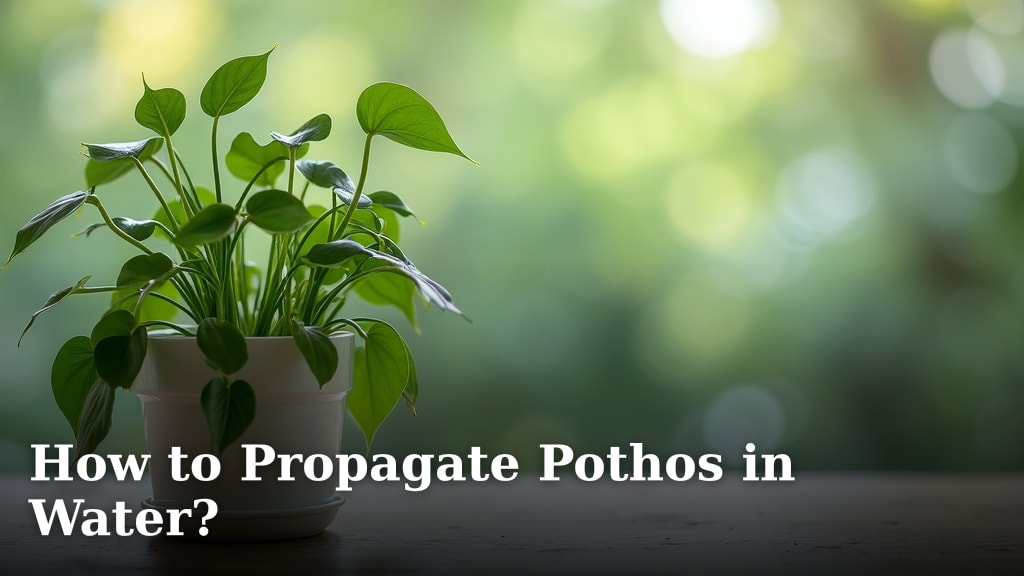
For propagation, use the same indirect-light approach while roots form in water with this guide to propagating pothos in water.
Frequently asked questions
Do pothos need a lot of light?
No. Pothos can grow in lower light, but bright, indirect light usually supports steadier growth.
Variegated varieties often need brighter indirect light to keep their patterns.
Keep the plant away from intense direct sun, which can scorch leaves.
Can pothos grow without direct sunlight?
Yes. Pothos can grow without direct sunlight in a bright room or under a suitable grow light.
Place it near a window with filtered light or several feet back from a bright window, then watch for slower growth or fading variegation.
How can I tell if my pothos needs more light?
Slow growth, long gaps between leaves, and fading variegation can point to too little light, though other care issues can cause similar changes. Move the plant gradually to a brighter indirect spot and observe new growth over several weeks.
Can a grow light help pothos?
A grow light can help if your room has little usable daylight or your pothos sits far from a window. Choose a plant light intended for indoor growing, position it according to its instructions, and give the plant a consistent dark period.