Bird of Paradise Plant Light Requirements
A bird of paradise needs very bright light, ideally several hours of direct sun each day. Place it near a bright south- or west-facing window, then add supplemental light if growth stays weak or stretched.
On this page (8 sections)
- What are the bird of paradise plant light requirements?
- Which window exposure is best for a bird of paradise?
- Can direct sunlight burn bird of paradise leaves?
- What signs show that a bird of paradise needs more light?
- When should you add supplemental light?
- Can a terrarium hood provide light for a bird of paradise?
- How should you set up a grow light for bird of paradise?
- What is the best light choice for your bird of paradise?
A bird of paradise needs very bright light, with several hours of direct sun preferred indoors. A south- or west-facing window is often the best starting point, while a grow light can fill the gap when the room is dim or the plant sits far from glass.
Light affects more than leaf color. A plant that receives too little light may grow slowly, lean toward the window, or produce smaller new leaves.
If you want the wider care picture, start with this guide on how to grow bird of paradise.
What are the bird of paradise plant light requirements?
The main requirement is bright light for much of the day, with some direct sun when the plant can adjust to it. Large bird of paradise leaves need a strong light source to support steady indoor growth.
A bright window gives the plant direction and intensity. Keep the pot close enough to receive useful light, but leave room for air movement and avoid pressing leaves against cold glass.
A plant that has lived in a dim corner may need time to adjust. Move it closer to the window over several days, especially if the new spot receives strong afternoon sun.
Which window exposure is best for a bird of paradise?
South-facing windows usually provide the strongest indoor light, while west-facing windows can offer useful afternoon sun. East-facing windows may work when they stay bright for much of the morning.
A north-facing window can be limiting, especially if the plant is several feet away or blocked by buildings, trees, curtains, or an overhang. In that case, use the plant's growth as feedback rather than judging the window by direction alone.
Check the light at different times. A window that looks bright at noon may cast a deep shadow in the morning or late afternoon.
How can you assess bird of paradise light requirements?
You can assess bird of paradise light requirements by watching shadows and measuring the area where the leaves sit. A defined shadow during part of the day usually indicates stronger light than a room that stays evenly dim.
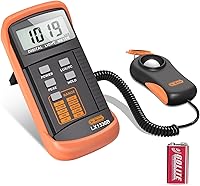
A digital meter can make comparisons easier when you are choosing between two windows. Use the reading as a repeatable reference, not as a single perfect target for every room.
The Dr.meter Digital Illuminance Light Meter 0-200,000 Lux Range Lux Meter records readings in lux or foot-candles and responds twice per second. It has a peak button, a low-battery alert, a 9V battery, and a 4 x 1 x 8 in ABS body.
Take readings at leaf height and compare the same location at morning, midday, and afternoon. If you move the plant, measure again after the new position has been in use for a few days.
Can direct sunlight burn bird of paradise leaves?
Direct sun is not automatically harmful, but a plant moved suddenly from low light can show stress. Increase exposure gradually over several days so the leaves can adjust to stronger light.
Watch for pale patches, crisp brown areas, or leaves that become unusually dry after a move. These signs often appear on the side facing the glass first, especially during hot afternoon sun.
Distance from the glass matters for daily care. A plant placed directly against a hot window can experience a different environment than one placed a short distance inside the room.
That extra space allows air to move around the leaves and reduces the risk of heat building up. It also makes watering and rotating the pot easier.
Rotate the pot every week or two if one side keeps reaching toward the window. This does not increase the total light, but it can help the plant develop more evenly.
Cleaning the leaves and checking the soil between rotations helps you notice stress early. If damage appears, move the plant back a short distance and then try a brighter spot in smaller steps.
What signs show that a bird of paradise needs more light?
Weak, stretched, or one-sided growth usually means the plant is not receiving enough usable light. For another houseplant's response to lighting, see how to help a peace lily produce more flowers.
Slow growth and small new leaves can also suggest that the current location is too dim.
Look for these patterns:
- New leaves are spaced farther apart than older leaves.
- Leaf stems lean strongly toward one direction.
- The plant stays alive but adds little new growth.
- New leaves are smaller than expected for the plant.
- The soil stays wet for a long time because the plant is using water slowly.
Move the plant closer to a bright window before making several other care changes at once. Light, watering, soil, and temperature affect each other, so changing one factor at a time makes the response easier to understand.
For a broader comparison of bright indoor plants, see What Plants Need the Most Light Indoors?.
When should you add supplemental light?
Add supplemental light when the brightest safe window still leaves the plant dim for much of the day. A grow light is especially useful for interior rooms, shaded apartments, winter conditions, and large plants that cannot sit close to glass.
Choose a fixture that covers the plant's leaves rather than lighting only the top center. Keep the schedule consistent, and give the plant a dark period instead of leaving the light on continuously.
A long fixture can suit a broad plant canopy or a plant shelf. Measure the available wall, shelf, or ceiling space before choosing one.
Is the SunBlaster 4 ft fixture suitable for a dim bird of paradise?
The SunBlaster fixture suits indoor growers who need a long, full-spectrum fluorescent light for a wider plant area. Its 54-watt, 6400K T5HO fixture measures 49.5 x 3.5 x 2 in and produces up to 3730 lumens.
The SunBlaster includes a power cord, jumper plug, and hanging and flat-surface mounting clips. Its NanoTech reflector is designed to spread light across and into the canopy, and the fixture can be linked with up to 8 units from one power cord.
The stated placement is 6–8 in above the plant canopy. Check the leaves after setup and adjust the position if the light is difficult to mount or the coverage does not reach the whole plant.
Use this type of fixture when you have room for its 4 ft length. It may be too large for a single small plant on a narrow shelf.
Can a terrarium hood provide light for a bird of paradise?
A terrarium hood is a specialized option, not a general bird of paradise light. The Zoo Med hood is designed for reptile enclosures and includes a ReptiSun T5 HO 5.0 UVB lamp.
The hood has a low-profile design, an energy-efficient T5 HO electronic ballast, and a polished curved reflector. Its listed dimensions are 16.3 x 5.9 x 1.1 in, with a weight of 1.43 lb.
For a bird of paradise in an ordinary room, compare this specialized terrarium format with a fixture made for indoor plant coverage. Use the Zoo Med option only when its enclosure-lighting design fits the setup you are planning.
How should you set up a grow light for bird of paradise?
Aim the light at the leaves, keep coverage even, and adjust the distance based on the plant's response. A tall bird of paradise may need more than one position or fixture because a single narrow beam can leave lower leaves shaded.
Start with a consistent daily schedule. Check the top and lower leaves after several days, and move the fixture if only one section receives useful light.
Keep cords away from water and secure any hanging fixture before placing it over the plant. Measure the plant's width and the mounting area first, especially if you are considering a 4 ft fixture.
For more help comparing indoor lighting types, read What Is the Best Grow Light for Indoor Plants?.
What is the best light choice for your bird of paradise?
Choose a bright south- or west-facing window first, then add supplemental light when the plant cannot receive enough natural light. This order suits most homes because a window gives steady light without adding equipment or a daily schedule to manage.
Start by placing the plant close to the window and watching how new leaves form. Strong growth with firm stems and leaves that hold their shape usually shows the location is workable.
Use the Dr.meter meter to compare locations before you commit to a final spot. Take readings at leaf height in the morning, at midday, and in the afternoon so you can see how the light changes through the day.
A meter is most useful when the same spot looks bright at noon but stays dim for the rest of the day. It also helps when two windows seem similar but one is blocked by trees, buildings, or curtains for part of the day.
If the plant sits far from glass, grows slowly, or leans in one direction, supplemental light may be a better answer than moving furniture around the room. Choose the fixture size for the space you have, not only for the plant you have today.
The SunBlaster suits a long shelf, wall, or ceiling area where a bird of paradise needs broad coverage across its canopy. Its 4 ft length makes it a poor fit for a narrow shelf made for one small plant.
The Zoo Med hood is best treated as a specialized terrarium option rather than a general plant light. Use it only when a compact enclosure style setup makes sense for the room and the plant.
If the plant is stretching, move it brighter in stages and monitor new growth after each change. Avoid several changes at once because light, water, and temperature influence each other.
The right location is the one that gives the leaves strong, even light without forcing the plant into a sudden change. Keep checking the plant as seasons shift, since winter days and summer sun can change what a window provides.
Frequently asked questions
How much light does a bird of paradise need indoors?
A bird of paradise needs very bright indoor light and usually performs best near a south- or west-facing window with several hours of direct sun. Turn the pot for even growth, keep leaves away from hot glass, and use supplemental light when the room stays dim.
Can a bird of paradise grow in a north-facing window?
It can survive near a north-facing window, but that exposure often provides less light than a bird of paradise prefers. Keep the plant as close to the window as practical, watch for slow or stretched growth, and consider a grow light during darker seasons.
How do I know if my bird of paradise needs more light?
Slow growth, long gaps between leaves, small new leaves, and leaves leaning strongly toward a window can point to weak light. Move the plant brighter in stages and check the leaves for stress after each change instead of placing it in harsh sun all at once.
Do bird of paradise plants need a grow light?
A grow light is not always necessary when a bird of paradise gets strong natural light. It can help in a dim room, during short winter days, or when the plant sits far from a window; choose a fixture that covers the leaves evenly.