How Much Light Do Philodendrons Need?
Most philodendrons grow best in bright, indirect light for several hours a day. Keep them out of harsh midday sun, and use a grow light if a room stays dim.
On this page (9 sections)
- How much light do philodendrons need?
- Where should you place a philodendron indoors?
- How can you tell if a philodendron has too little or too much light?
- Do philodendrons need a lot of light?
- When should you use a grow light for a philodendron?
- How should you adjust light through the seasons?
- Does light affect philodendron propagation?
- How should a philodendron's planter support its placement?
- How much light do philodendrons need for healthy growth?
Most philodendrons grow best in bright, indirect light for several hours a day. Place yours near a bright window but out of harsh direct sun, and add a grow light if the room stays dim.
The right spot depends on the window, season, and plant variety. Check new growth and leaf condition over time, since a plant's response tells you more than the room's brightness alone.
How much light do philodendrons need?
Philodendrons generally prefer bright, indirect light rather than full sun. They can tolerate lower light, but growth may slow and new leaves may be smaller.
For another houseplant comparison, see spider plant light needs.
“Indirect” means sunlight doesn't fall directly on the leaves. A sheer curtain or a spot a few feet from a bright window can soften strong rays.
Varieties differ in their light needs. Variegated leaves often need brighter indirect light to maintain their coloring, while solid green varieties may handle a lower-light spot better.
Where should you place a philodendron indoors?
Place a philodendron near an east-facing window, or several feet from a bright south- or west-facing window. Watch how the sun moves through the room before settling on a spot.
A north-facing window may provide gentle light, but the plant could need to sit closer to it. Keep leaves from touching cold glass, and avoid a location where direct sun regularly hits the foliage.
If you're planning its full indoor setup, see How to Grow Philodendron Indoors? for help with placement and other care needs. Choose a stable location where you can check the plant easily.
How can you tell if a philodendron has too little or too much light?
Slow growth and widely spaced leaves can suggest too little light, while bleached or scorched patches may point to too much direct sun. These signs aren't conclusive by themselves, so also review watering and general plant health.
Give a plant time to adjust after moving it. Shift it gradually toward brighter indirect light, then watch the next few leaves instead of judging the change by older foliage alone.
Turn the pot now and then if growth leans strongly toward the window. This can encourage a more even shape without making a big change to its light exposure.
Can a light meter help find the right spot?
A light meter can help compare brightness in different locations, but it doesn't replace watching how your plant grows. Measure near the leaves at different times of day to see how light changes across the room.
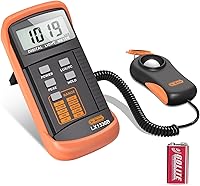
The Dr.meter Digital Illuminance Light Meter 0-200 switches between lux and foot-candles and records a peak reading.
Use the same unit each time you compare locations. A single reading doesn't show the full daily pattern, so take readings at a few times and note whether direct sun reaches the leaves.
Do philodendrons need a lot of light?
Most philodendrons don't need intense light all day. Bright indirect light is a good starting point, while a dim corner can lead to slower growth.
For a tropical foliage plant comparison, see bird of paradise light requirements.
A plant that is surviving in low light may still benefit from moving closer to a window. Make the change gradually, especially if it has been in shade for a long time.
For water-grown plants, the same light guidance applies. Read How to Grow Philodendron in Water for advice on caring for one in a vase or jar.
When should you use a grow light for a philodendron?
Use a grow light when natural light is weak or inconsistent, or when you want to keep a plant in a room without a suitable window. For bonsai growing, see bonsai kits with artificial light.
Choose a fixture made for growing plants and follow its placement guidance.
Keep the light on a steady daily schedule, and adjust distance gradually if leaves show stress. A timer can help you keep the schedule consistent.
The SunBlaster SL0900304 is a 4 ft T5HO fixture rated at 54 watts and 6400K. SunBlaster says its reflector spreads light more widely across the canopy and deeper into foliage.
Its maker's suggested placement is 6–8 in above the canopy. That distance is a starting point for this fixture, not a universal placement rule for every grow light.
Consider the room and energy use before adding a fixture. Our guide to Do LED Grow Lights Use a Lot of Electricity? explains what can affect electricity use.
Is a terrarium hood a good choice for philodendrons?
A terrarium hood is made for a terrarium setup, so check that its light type and coverage suit your plants before using it. The Zoo Med 5.0 T5-HO 14" Terrarium Hood includes a UVB lamp intended for reptile lighting.
Philodendron care generally calls for bright, indirect light, not reptile UVB. Choose a plant grow light for supplemental plant lighting, and don't use this hood just because it fits above a small plant area.
How should you adjust light through the seasons?
Check your philodendron's light again when the seasons change. Shorter days or a changed sun angle may make a previously bright spot dimmer, while summer sun can become too strong.
Move a pot back from the window if direct rays start reaching its leaves. If winter growth slows, consider moving it to a brighter indirect spot or adding a grow light.
Avoid changing watering just because the light changed. Check the soil before watering, since a plant in lower light may use water more slowly.
Does light affect philodendron propagation?
Cuttings need suitable light too, but keep them out of direct sun while they establish roots. Bright indirect light gives them a steady spot to grow without exposing tender leaves to harsh rays.
If you're preparing cuttings, see How to Propagate a Philodendron for the steps. Keep the parent plant in its usual indirect light after pruning.
How should a philodendron's planter support its placement?
Choose a planter that suits the plant's size and location, and check that excess water can drain. A stable pot matters if you place a climbing philodendron near a window or use a support.
Compare Best Planter Pots For Philodendron when you need a pot for your plant. Measure the space before choosing one, especially if it will sit on a narrow sill or stand.
How much light do philodendrons need for healthy growth?
For most philodendrons, start with bright indirect light and adjust based on new growth. For another patterned-leaf houseplant, see how much light a Calathea needs.
Move the plant gradually if it becomes leggy or grows slowly, and shield it if direct sun leaves pale or scorched patches.
Use a meter to compare possible spots, or add a plant grow light when natural light is limited. Choose the fixture based on your setup, then use the plant's response to guide its placement.
Frequently asked questions
Do philodendrons need a lot of light?
Most philodendrons don't need direct sun or intense light all day. They usually do well in bright, indirect light, such as near an east-facing window or a few feet back from a brighter window.
A dim room may slow growth, so watch for smaller leaves and long gaps between them.
Can a philodendron grow in a room with no windows?
A philodendron can grow in a windowless room if you provide suitable artificial light. Use a plant grow light on a consistent schedule, place it at the distance recommended for the fixture, and check the leaves for signs of stress.
Ordinary room lighting may not provide enough usable light.
Can philodendrons get too much light?
Yes. Strong direct sun can scorch philodendron leaves, leaving pale, dry, or brown patches, especially after a sudden move from a dim spot.
Move the plant farther from the window or filter the sun, then give it time to adjust.
Avoid changing light exposure sharply.
How can I tell if my philodendron needs more light?
Slow growth, smaller new leaves, and long spaces between leaves can point to insufficient light, though other care problems can cause similar changes. Move the plant gradually to a brighter indirect spot and observe new growth over several weeks.
An illuminance meter can help compare locations.