Do Bonsai Kits Work with Artificial Light?
Yes, bonsai kits can work with artificial light when the light is bright enough, placed at a useful distance, and run on a steady schedule. Light alone cannot replace proper watering, drainage, airflow, and care for the tree species.
On this page (8 sections)
- Can bonsai kits grow with artificial light?
- How do you choose artificial light for a bonsai kit?
- Is a fluorescent grow light useful for bonsai kits?
- Can a terrarium hood light a bonsai kit?
- How should you set up artificial light for bonsai?
- Can low-light bonsai work indoors?
- What are the signs that the light setup needs changes?
- Do bonsai kits work with artificial light all year?
Yes, bonsai kits work with artificial light when the light supplies enough brightness for the species and reaches the whole plant. The same question comes up for snake plants under artificial light.
Use a steady schedule, keep the lamp close enough to be useful, and adjust the setup when the bonsai shows weak or stressed growth.
A kit usually gives you seeds, a container, growing medium, or basic instructions. It does not remove the plant’s need for strong light, correct moisture, drainage, and enough room for the roots.
Can bonsai kits grow with artificial light?
Bonsai kits can grow under artificial light, especially during dark winters, in rooms with small windows, or on shelves far from direct sun. The light must reach the leaves rather than simply brighten the room.
Different bonsai species have different light needs. A tropical species may adapt more easily to indoor conditions, while a temperate tree may need seasonal outdoor care.
Identify the tree before deciding that an indoor lamp can support it all year.
For background on natural light levels, see how much light does bonsai need. That guide can help you compare a window location with an artificial-light setup.
What light problems can affect a bonsai kit?
Insufficient light often leads to long spaces between leaves, thin stems, slow growth, or leaves that look paler than expected. These signs can also have other causes, so check watering, root health, temperature, and the plant’s normal growth pattern.
Too much heat or excessive light can cause dry leaf edges, curling, bleaching, or sudden stress. A lamp that feels comfortable in the room may still be too intense when placed close to delicate foliage.
Turn the pot regularly if one side receives more light. This helps prevent one-sided growth and lets you inspect leaves, soil moisture, and new shoots from every angle.
How do you choose artificial light for a bonsai kit?
Choose a plant light that covers the bonsai canopy and can stay at a stable distance. A narrow light may work for one small kit, while a wider fixture suits several plants or a growing shelf.
Light color matters less than useful output, coverage, distance, and a repeatable schedule. A daylight-style lamp can make it easier to see the plant, but the label alone does not prove that the light is strong enough at the leaves.
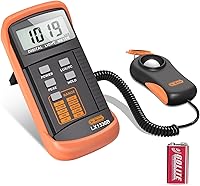
A light meter can help you compare spots on the shelf instead of guessing from brightness. It does not replace species care instructions, but it can show whether the canopy receives more light after you move the fixture.
The Dr.meter uses a 9V battery, includes 1 light meter, and has a 4 x 1 x 8 in ABS body weighing 12 oz. Its display can show a low-battery alert, so check the battery before relying on a reading.
Measure at the top leaves, then repeat at the lower branches and edges of the pot. A large difference across the canopy means you may need to reposition the plant or use a wider fixture.
Is a fluorescent grow light useful for bonsai kits?
A fluorescent grow light can suit a bonsai kit when you need a long, horizontal fixture over a shelf. Its value depends on coverage, distance, heat, and whether the fixture fits your growing area.
The SunBlaster measures 49.5 x 3.5 x 2 in and weighs 1.8 lb. It includes a power cord, jumper plug, and hanging and flat-surface mounting clips.
The fixture is rated for indoor use and 10,000 hours of light-source operating life.
Its 6400K daylight-white output may suit seed-starting and leafy growth areas. The 4 ft length makes it a better fit for a shelf or several small plants than for a single bonsai on a narrow table.
SunBlaster says the reflector captures previously lost light and that fixtures can sit 6 to 8 in above the plant canopy. Treat that distance as a starting point, then check the leaves and the light level at the bonsai.
The fixture can link up to 8 units from one power cord. That may help a larger growing shelf, but one kit usually does not need several fixtures unless the area or number of plants has grown.
Can a terrarium hood light a bonsai kit?
A terrarium hood can be the wrong match for a bonsai kit unless its lamp type and purpose suit the plant. The Zoo Med model here is designed for reptile enclosures and includes a UVB lamp, so it should not be treated as a general bonsai grow light.
The hood measures 16.3 x 5.9 x 1.1 in and weighs 1.43 lb. It includes the ReptiSun T5 HO 5.0 UVB lamp and is built around reptile-enclosure lighting needs.
Its low profile may fit above a small enclosure, but a bonsai kit needs lighting chosen for the tree, not for a reptile. UVB is not automatically better for seedlings or leaves, and using the wrong lamp can add unnecessary complexity.
Choose this type of hood only when you have a clear reason to use a terrarium setup and have confirmed the lighting needs of both the plant and any animals sharing the enclosure. For ordinary bonsai shelves, compare Best Grow Lights For Bonsai instead.
How should you set up artificial light for bonsai?
Place the light above the canopy, keep the beam aimed at the leaves, and use a consistent daily schedule. Start with the manufacturer’s distance guidance, then adjust based on plant response and measured light.
Keep the seed tray or pot stable so the distance does not change as you water or rotate it. If the lamp hangs above the plant, leave enough room for new growth and avoid pressing leaves against a hot fixture.
Use a timer if your schedule changes often. Give the bonsai a regular dark period, and avoid leaving a bright lamp on continuously unless the species instructions specifically support that routine.
Check moisture more often after adding a grow light. Light can change evaporation, but the correct watering interval still depends on the pot, soil, roots, room temperature, and species.
A bonsai kit with a small container can dry quickly. Water thoroughly when the plant’s care instructions call for it, let excess water drain, and do not leave the pot standing in collected water.
Can low-light bonsai work indoors?
Some bonsai tolerate lower indoor light better than others, but low light usually means slower and weaker growth. An artificial light can improve the setup when a window is not bright enough.
Use indoor low light bonsai as the next step if your room has limited sun. Even shade-tolerant plants need enough light to maintain healthy leaves and stems.
Do not judge the light by how bright the room looks to you. Human eyes adapt quickly, while plants respond to the light that reaches their leaves over many hours.
If your kit contains a citrus species, compare its needs with these lemon tree light requirements. Citrus often needs a brighter setup than a plant selected for a dim indoor corner.
What are the signs that the light setup needs changes?
Adjust the setup when new growth stretches, the canopy grows unevenly, or leaves show heat or light stress. Change one factor at a time so you can see what helped.
Move the light closer if the plant is stretching and the fixture can do so safely. Move it farther away if leaves bleach, curl, crisp, or feel unusually warm.
If only the top leaves look healthy, improve coverage rather than increasing brightness at one point. Rotate the pot, raise the fixture, or use a wider light when the plant’s shape demands it.
For a comparison with another artificial-light plant routine, read how to grow succulents under artificial light. Succulents and bonsai are different plants, but the setup principles of distance, coverage, and a dark period still help.
Do bonsai kits work with artificial light all year?
They can, but year-round indoor lighting depends on the species and its seasonal needs. A tropical bonsai may be more suited to indoor growth, while a temperate tree may need outdoor exposure and a winter rest.
Use the kit instructions to identify the species before committing to an indoor-only plan. Artificial light can solve a brightness problem, but it cannot recreate every outdoor condition.
Choose the Dr.meter when you need to measure and compare light at the leaves. Choose the SunBlaster for a long shelf fixture with 6400K, 54 watt output.
Treat the Zoo Med hood as reptile-enclosure equipment, not a default bonsai lamp.
The decision is simple: use artificial light when natural light is weak, measure the canopy when possible, and match the routine to the tree species. Then adjust distance, coverage, watering, and timing as the bonsai grows.
Frequently asked questions
Can bonsai kits grow under a regular lamp?
A regular room lamp may not provide enough useful light for bonsai growth, especially when it sits far from the plant. A plant grow light is easier to position and schedule.
Check the light level at the leaves, keep the plant watered correctly, and watch for stretched stems or pale new growth.
How many hours should a bonsai grow under artificial light?
Many indoor bonsai need a consistent daily light period, but the best schedule depends on the species and the strength of the light. Use the kit instructions and species care guidance first.
A timer can help keep the schedule steady, while a dark period gives the plant a regular day-night cycle.
How close should a grow light be to a bonsai?
The correct distance depends on the light's output, coverage, and heat. Start with the light manufacturer’s guidance, then watch the leaves and new growth.
Move the light closer if the plant stretches, or farther away if leaves show signs of heat or light stress.
Do bonsai kits need direct sunlight too?
Not always. A suitable artificial light can supply the needed brightness when natural light is weak, but the bonsai still needs species-appropriate care.
Some trees benefit from outdoor conditions or seasonal changes, so identify the species in the kit before choosing an indoor-only routine.