How Much Light Does a Bonsai Need?
A bonsai needs bright light suited to its species. Outdoor species usually do best outdoors, while tropical bonsai can grow indoors near a bright window; adjust for the tree's light needs and your window exposure.
On this page (7 sections)
A bonsai needs bright light suited to its species. Outdoor species usually do best outdoors, while tropical bonsai can grow indoors near a bright window; the right amount depends on the tree, window exposure, and season.
A bonsai is a small tree, not a single plant species with one light setting. Start by identifying the species, then choose a position that gives it the exposure its care needs call for.
How much light does a bonsai need?
Most bonsai need a bright growing position, but the exact light requirement varies by species. For another houseplant, see philodendron light needs.
Outdoor trees such as many junipers and pines generally need to live outside, while tropical species such as ficus are more suited to indoor conditions. For another houseplant’s light needs, see how much light a peace lily needs.
“Indoor” describes where you keep a tree, not how much light it receives. A spot several feet from a window can be much dimmer than a position right beside the glass.
Use species-specific care advice as your baseline. If your tree is losing vigor after a move, check light along with watering, temperature, and seasonal growth patterns before making several changes at once.
For a useful comparison, see the light requirements for a lemon tree. Lemon trees and bonsai are different plants, but the guide shows why species and window exposure matter when placing a plant indoors.
Does a bonsai need sunlight indoors?
An indoor bonsai usually needs the brightest suitable window position available. The best exposure depends on the species and how much direct sun it tolerates.
A south-facing window in the Northern Hemisphere often receives strong light, while north-facing windows generally receive less direct sun. East and west windows get different patterns of morning or afternoon light, so observe your own room rather than relying on direction alone.
Glass, curtains, screens, nearby buildings, and tree cover can all change the light reaching a plant. Put the bonsai close enough to the window to benefit, but avoid letting leaves touch cold glass or sit against a hot pane.
Rotate the pot a little from time to time if one side consistently faces the window. The sunlight needs of jade plants also depend on gradual adjustment to exposure.
Make changes gradually, especially if the tree has been in a dim location, since a sudden shift to strong sun can stress foliage.
Can a bonsai grow in a low-light room?
Most bonsai won't thrive in a genuinely low-light room without added light. A room that feels comfortable and bright to you may still be dim for a tree.
Some species tolerate lower light better than others, but tolerance does not mean a plant can grow well in a dark corner. Review the indoor low-light bonsai options if your home has limited natural light.
Watch for weak, elongated growth or a tree leaning toward the window. Those signs can point to inadequate light, though they may also have other causes, so check the species and care routine before changing its environment.
Should a bonsai live indoors or outdoors?
Keep an outdoor bonsai outside unless its species and care needs support indoor growing. Many temperate trees need seasonal changes and outdoor conditions that a heated room does not provide.
Tropical and subtropical bonsai are more commonly kept indoors in climates where outdoor temperatures are unsuitable. Even these trees need strong light, suitable warmth, and care that fits their species.
Avoid bringing an outdoor tree inside just because it is small or decorative. A few hours on a table for display may not be harmful in some cases, but long-term indoor placement can interfere with the conditions that tree needs.
If you aren't sure what kind of bonsai you have, identify it before choosing its permanent spot. Labels, purchase records, or advice from a local bonsai group can help narrow it down.
Can a grow light help an indoor bonsai?
A plant grow light can help when a window doesn't provide enough suitable light. For an indoor flowering plant example, see how to grow African violets indoors.
It should be meant for plant growth, placed at a useful distance, and run consistently according to the light's instructions.
Artificial lighting is especially worth considering in a dim room, during darker seasons, or when a tree's growth suggests it needs more light. Light placement matters: a fixture that is too far away may provide little benefit, while a lamp too close can create excess heat or stress.
The SunBlaster SL0900304 is a 4 ft T5HO grow light fixture with a reflector; SunBlaster describes it for indoor home gardens and plants. Its stated setup guidance places the fixture 6–8 in above a plant canopy, so check whether that arrangement suits your space and bonsai.
The Zoo Med 5.0 T5-HO 14 in Terrarium Hood is designed for reptile enclosures and includes a ReptiSun T5 HO 5.0 UVB lamp. Its UVB features are intended for reptiles, so don't assume they are a bonsai lighting requirement; choose a plant-growing light for that purpose.
To decide whether a bonsai kit's light is enough, see whether bonsai kits work with artificial light. Match the fixture to the tree's needs rather than choosing by appearance or a general “full spectrum” label alone.
How can you measure light around a bonsai?
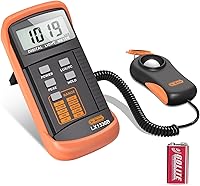
A light meter can help compare the brightness of different spots in your home. Take readings at the height of the foliage and at the times of day when the tree receives light.
The Dr.meter Digital Illuminance Light Meter 0-200 measures illuminance and can switch between lux and foot-candles. Its PEAK function can hold the highest reading, which may help when comparing a changing patch of sunlight.
A meter measures brightness, but it doesn't identify the tree's ideal target on its own. Use readings to compare locations, then refer to reliable care guidance for your bonsai species.
Take readings near the leaves, not across the room or at floor level. Repeat them at different times, since a single measurement may miss the changing pattern of sunlight.
How should you adjust a bonsai's light through the year?
Adjust light gradually as seasons and indoor conditions change. Winter days are shorter, while summer sun through glass can be stronger and warmer.
A tree moved from shade to direct sunlight may need time to adapt. Increase exposure in steps and observe the foliage, especially when moving an indoor plant outdoors for the warmer season.
Keep the day and night rhythm consistent when using a grow light. Follow the fixture's instructions, and leave a dark period rather than lighting the tree around the clock.
Which light setup should you choose for a bonsai?
Choose the position by species first, then add a grow light if natural light falls short. Use a meter when you need to compare spots, and treat its readings as a guide rather than a universal bonsai target.
For a bright indoor window, start with a tropical species that can suit indoor conditions. For an outdoor species, choose an outdoor position with the exposure it needs instead of trying to make a dim room work.
Consider the SunBlaster fixture if you need a plant-growing light over an indoor growing area. The Dr.meter can help compare illuminance around your home, while the Zoo Med hood is designed for reptile enclosures and should not be mistaken for a bonsai-specific requirement.
When choosing a display setup, account for the tree's needs and the space around it. The right pot and stand should fit the tree and its placement, alongside its light needs.
Frequently asked questions
How much light does a bonsai need indoors?
Indoor bonsai need a bright position that matches their species, often close to a sunny window. Tropical species are more suited to indoor growing than temperate outdoor trees, but a room that looks bright to you may still provide limited light for a plant.
Check the species' care guidance and watch how it responds.
Can a bonsai survive in a room without a window?
A bonsai is unlikely to thrive long term in a room without a window unless you provide suitable artificial light. Choose a plant light intended for growing plants, place it according to its instructions, and keep a consistent day and night cycle.
Species still differ in how much light they need.
Do bonsai trees need direct sunlight?
Some bonsai benefit from direct sun, while others need protection from intense midday rays, especially when moved from a dim indoor spot. The right exposure depends on species, climate, and how gradually the tree has adjusted.
Check species-specific care advice before changing its position.
How can I tell if my bonsai is getting enough light?
Look for steady, healthy growth that fits the species and season, and note whether new growth becomes weak or stretched toward a window. These clues can have other causes, so also check watering, temperature, and seasonal dormancy.
A light meter can help compare locations, but it doesn't replace species-specific guidance.