Can Snake Plants Grow with Artificial Light?
Yes, a snake plant can grow with artificial light alone if the light is bright enough and on for 12 to 16 hours a day. It will grow more slowly than in bright natural light, but it can stay healthy and produce new leaves.
On this page (11 sections)
- How can a snake plant grow with artificial light?
- What kind of artificial light works best for snake plants?
- How far should artificial light be from a snake plant?
- How many hours of light do snake plants need each day?
- What happens if a snake plant gets too little artificial light?
- Can artificial light burn or damage a snake plant?
- What is the best setup for a shelf or desk with no window?
- Which artificial light should you choose for one small plant?
- How do you care for a snake plant under artificial light?
- Can snake plants grow with artificial light as a long-term plan?
- How should you decide on artificial light for your snake plant?
Yes, a snake plant can grow with artificial light alone if the light is bright enough and on for 12 to 16 hours a day. It will grow more slowly than in bright natural light, but it can stay healthy and produce new leaves.
Survival is not the same as growth. A snake plant can live in a dim corner, but steady new leaves need bright light placed close to the plant.
How can a snake plant grow with artificial light?
A snake plant can grow with artificial light when brightness at leaf level is high enough for enough hours each day. Distance, duration, and placement matter more than bulb type alone.
Thick leaves store water, so the plant tolerates missed light better than thin-leafed plants. That storage also means you should water carefully, since growth under lights may be slow.
Let soil dry fully between waterings and empty the saucer so roots do not sit in water. If your plant sits far from a window, our guide on How to Grow Snake Plants in Low Light? explains why it may look fine but stop growing.
What kind of artificial light works best for snake plants?
The best artificial light is a bright, white grow light that covers the plant evenly. For another houseplant's lighting response, see how to help a peace lily produce more flowers.
A full-spectrum or daylight-style light around 5000K to 6500K looks natural and supports growth.
Brightness reaching the leaves matters more than exact color. A fixture with a reflector sends more light down into the plant and wastes less in all directions.
Warm household bulbs are often too dim at normal lamp distance. If you use one, put it much closer and watch for stretching or pale new growth.
For a wider look at indoor choices, see Can Indoor Plants Grow with Only Artificial Light?.
How far should artificial light be from a snake plant?
Place artificial light 12 to 18 inches above the plant for most fixtures, then adjust from how the plant responds. Start at 18 inches and move closer if growth is slow over a few weeks.
New leaves show the result clearly. Strong, upright, well-colored leaves mean the distance works.
Leaning, pale, or sparse growth means the plant wants more light.
A light meter removes guesswork. The Dr.meter Digital Illuminance Light Meter 0-200,000 Lux Range Lux Meter measures brightness at leaf level and switches between Lux and FC units.
This meter is useful for several plants in different rooms. It reads about 2 times per second, has a PEAK button for brief readings, and shows a low battery symbol.
It runs on one 9V battery, which is included, and measures 4 x 1 x 8 inches. Wipe the sensor gently and keep it clean so readings stay useful.
How many hours of light do snake plants need each day?
Give snake plants 12 to 16 hours of artificial light per day, with a dark period at night. A timer keeps the schedule steady and prevents 24-hour lighting, which plants do not need.
Shorter days may keep a plant alive but usually bring little new growth. Longer days with a close light are what turn maintenance into growth.
Judge the schedule by new leaves and color over several weeks. Slow growth with leaning leaves means the light is still too weak or too far away, even if hours look right.
How do you set a timer for a snake plant light?
Set the timer for morning on and evening off, like a natural day. A 14-hour setting is a good middle point for a plant under a grow light.
Check after a week that the light really turns on and off as set. A loose plug can undo a good plan.
Keep the same schedule for at least a month before judging results. Snake plants grow slowly, so a few days of no change tells you little.
What happens if a snake plant gets too little artificial light?
Too little artificial light leads to slow growth, pale or leaning leaves, and a plant that holds its size. The plant may stay alive for a long time because it stores water, which can hide the problem.
Leaves may stretch toward the lamp and lose their firm look. New growth can be smaller or lighter than older leaves.
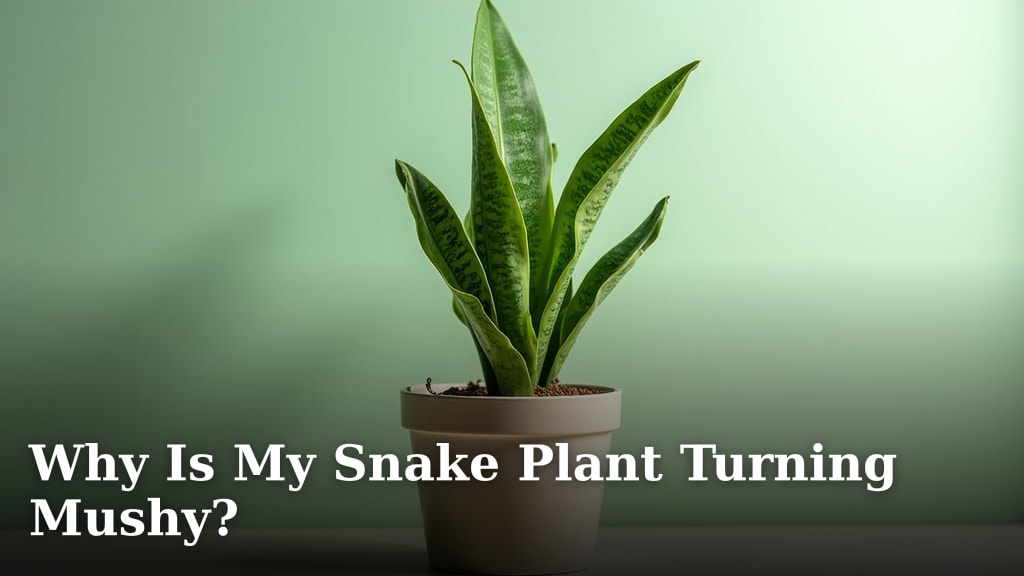
If soil also stays wet, a dim plant can develop soft, mushy growth at the base. If you see mushy leaves now, read Why Is My Snake Plant Turning Mushy? before you water again.
Can artificial light burn or damage a snake plant?
Artificial light can stress a snake plant if the fixture is too close, too hot, or left on too long. A hot lamp a few inches from leaves can dry them out.
Scorching shows as dry, pale patches, often on the side closest to the light. Keep a gap between leaves and fixture, and check tall leaf tops with the back of your hand for heat.
T5 fluorescent and LED grow lights usually run cooler than old incandescent bulbs at the same light level. Rotate the plant a quarter turn each week so all sides get similar light.
What is the best setup for a shelf or desk with no window?
The best no-window setup is one bright fixture per plant or a long fixture that spans a row. A single desk lamp often lights only one side, so growth becomes uneven.
Measure the shelf or desk first, then match fixture length to the space. A 4-foot fixture suits several plants, while a small hood suits one.
Check the stand for heat and cord safety. Keep cords away from water, do not rest a hot fixture on wood, and make sure shorter plants get light at leaf level.
The SunBlaster SL0900304 54 Watt 6400K 4' 120V Hydroponic Grow Light Lamp Ballast Fixture with NanoTech T5HO Reflector for Indoor Home Gardens and Plants suits a shelf or table with room for a 4-foot light. It runs at 54 watts and 120 volts, gives 3730 lumens at 6400K, and has a rated life of 10,000 hours.
SunBlaster says the NanoTech reflector spreads light wider and deeper into foliage, and the fixture can sit 6 to 8 inches above the canopy. You can link up to 8 units from one power cord.
The kit includes a power cord, jumper plug, and clips for hanging or flat mounting, with a 1-year manufacturer warranty. It is 49.5 x 3.5 x 2 inches and weighs 1.8 pounds, so check shelf width and weight limit first.
Which artificial light should you choose for one small plant?
Choose a compact fixture or hood for one small plant, and a longer bar fixture for a shelf or row of plants. Match the light to the space first.
A small hood above one pot keeps light focused on the plant instead of the whole room. It also needs less shelf space, which helps in a small apartment or office.
The Zoo Med 5.0 T5-HO 14" Terrarium Hood with ReptiSun T5 HO 5.0 UVB Lamp is a compact 14-inch hood with a low-profile design and polished curved reflector. It includes a ReptiSun T5 HO 5.0 UVB lamp and uses an energy-efficient T5 HO electronic ballast.
This hood suits a single snake plant on a desk or small stand, and measures 16.3 x 5.9 x 1.1 inches. Skip it for a full shelf, since 14 inches covers only one small plant.
For a row, a longer fixture gives each plant its own share of light.
How do you care for a snake plant under artificial light?
Care for a snake plant under artificial light as you would in a bright room, with extra care around water and dust. Water only when soil feels dry well down in the pot.
Dust on leaves blocks light, so wipe them now and then with a damp cloth. Dust the fixture lens or cover too, since a dirty cover cuts brightness.
Feed lightly during active growth, since growth may be slow much of the year. Too much fertilizer can build up and stress roots.
The pot matters too. Our guide on What Is the Best Planter for a Snake Plant? covers drainage and size.
A pot with drainage holes and an emptyable saucer protects roots when growth is slow.
Can snake plants grow with artificial light as a long-term plan?
Yes, snake plants can grow with artificial light long term if the light stays bright, close, and on a steady schedule. Many homes grow them this way in hallways, offices, and rooms with no windows.
Set the light at a working distance, use a timer, and check brightness at leaf level now and then. Move the fixture up as the plant grows and wipe leaves and covers so dust does not steal light.
Artificial light also gives placement choice. You can keep a plant where snake plants direct sunlight would be too harsh, as long as the fixture gives bright, steady light.
If you want a tougher companion for the same spot, compare How to Grow Zz Plants in Low Light?.
How should you decide on artificial light for your snake plant?
Decide based on space first, then brightness at leaf level, then the timer schedule. Measure the shelf or desk, pick a fixture that fits, set it 12 to 18 inches above the plant, and run it 12 to 16 hours a day.
For one small plant, a compact hood keeps light focused and saves space. For a shelf of plants, a longer fixture spreads light across the row so each plant gets a fair share.
Watch for new leaves, firm color, and upright growth over several weeks. If the plant leans or pales, move the light closer or raise daily hours.
If leaves show dry patches near the fixture, move the light up and check for heat.
Frequently asked questions
Can a snake plant grow with artificial light alone?
Yes, it can grow with artificial light alone when the light is bright enough and stays on for 12 to 16 hours each day. Growth will be slower than in bright natural light, and the plant may stay more compact.
Put the light close enough that new leaves keep forming.
How many hours of artificial light do snake plants need?
Give snake plants 12 to 16 hours of artificial light per day for steady growth, with a dark rest period each night. A timer helps keep the schedule consistent.
If leaves stretch, pale, or stop growing, the light may be too far away or too weak.
Is a regular room light enough for a snake plant?
A regular room light is often too dim and too far away to support strong growth, even though a snake plant can survive in low light. It may hold its size without making many new leaves.
A brighter fixture placed closer to the plant gives it a better chance to grow.