How Much Light Does a Calathea Need?
Calatheas need bright, indirect light, usually near an east or north window, with filtered light near a brighter south or west window. Avoid harsh direct sun, which can scorch the leaves.
On this page (11 sections)
- What light does a calathea need?
- Where should you place a calathea indoors?
- How can you tell if a calathea gets too little light?
- What does too much light do to calathea leaves?
- Can a grow light provide the right calathea light?
- How far should a calathea be from a window?
- Should you rotate a calathea?
- Does light affect propagation and seed growing?
- What is the easiest way to match light to calathea foliage?
- How do you keep calathea light consistent?
- If the plant remains pale or weak after a placement change, compare another location with a light meter or use a controlled grow-light setup. Good calathea lighting intensity is steady and moderate, not simply the brightest light in the room.
Calatheas need bright, indirect light, not strong direct sun. An east- or north-facing window often works well, while a south- or west-facing window usually needs a sheer curtain or extra distance from the glass.
The right calathea plant light requirement depends on the room, window, season, and distance from the glass. Watch the leaves and new growth, then adjust the placement gradually.
What light does a calathea need?
A calathea needs steady, filtered light that is bright enough for growth but gentle enough to protect its leaves. Its broad, patterned foliage can fade, curl, or scorch when exposed to strong direct rays.
Place the pot near an east window for softer morning light. A north window can work if the room is bright, while a south or west window may need a curtain or a position several feet from the glass.
Light changes with the season. A spot that works in winter may become too intense in summer, so check the leaves after moving the plant or changing the curtain.
Where should you place a calathea indoors?
The best placement is near a bright window with filtered light and no harsh midday sun. Keep the plant close enough to receive useful light, but not pressed against hot glass.
A sheer curtain can soften direct rays from a south or west window. You can also place the plant to the side of the brightest window area, where it receives reflected light instead of a narrow beam.
For more placement ideas, see How to Grow Calathea Indoors without Brown Edges?. Leaf edges can react to several conditions, so light is only one part of the care routine.
Is a calathea better near an east or west window?
An east window is usually easier to manage because it provides gentler morning light. A west window can work if you filter the afternoon sun with a curtain or move the plant farther into the room.
Avoid placing a calathea where a strong beam lands on the leaves for hours. Even if the room feels comfortable, direct rays can create pale or crispy patches on patterned foliage.
If you are deciding between indoor and outdoor placement, read Is Calathea an Indoor or Outdoor Plant?. That guide can help you judge temperature, shelter, and seasonal exposure along with light.
How can you tell if a calathea gets too little light?
A calathea may need more light when new growth is weak, leaves are smaller, or the potting mix stays wet for a long time. Low light can reduce the plant's energy for growth and slow water use.
Move it closer to a bright filtered window in small steps. A sudden move from dim light to strong sun can create a second problem, so give the plant time to adjust.
Use the leaf pattern as a clue, not a single diagnosis. For a similar color concern in pothos, see why pothos leaves turn light green.
Curling, brown edges, or drooping can also relate to watering, dry air, drafts, or salt buildup in the soil.
Can a light meter help with calathea placement?
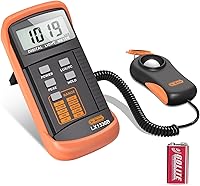
A light meter helps if you are comparing several spots and your eyes cannot tell which one is brighter. Take readings at the height of the leaves, then compare the window area, a nearby shelf, and a position farther into the room.
The Dr.meter meter measures in lux or foot-candles and displays a low-battery alert for its 9V battery. It weighs 12 oz and measures 4 x 1 x 8 in, so it is easy to keep nearby when checking more than one plant position.
Use the same time of day when comparing locations. Outdoor brightness, curtains, and seasonal sun angles can change the reading, so one measurement is only a snapshot.
What does too much light do to calathea leaves?
Too much direct light can cause faded color, bleached areas, crispy patches, or scorch marks. Move the plant away from the glass or add a sheer curtain if these signs appear after a bright window exposure.
Do not solve every brown edge by reducing light. Calatheas can also react to dry indoor air, uneven watering, cold drafts, or water with a high mineral load.
Make one change at a time. After moving the plant, watch new leaves rather than expecting damaged areas to recover their original color.
Can a grow light provide the right calathea light?
A grow light can help when your room is dim, the available windows face a shaded area, or winter light is too weak. For cultivar-specific guidance, see whether Rose Painted Calathea likes grow lights.
For a different indoor setup, see bonsai kits with artificial light.
Use it to create a consistent bright-light zone without placing the calathea under harsh window sun.
Position the light above the foliage and follow its instructions for distance and schedule. Start with a moderate exposure, then check for fading, curling, or dry leaf patches.
Who should choose the SunBlaster fixture?
The SunBlaster SL0900304 suits a grow shelf or indoor plant area that needs a long, linear light source for a wider canopy. It is a 4 ft, 54 W, 6400K T5HO fixture with a NanoTech reflector and 3730 lumens.
The fixture measures 49.5 x 3.5 x 2 in and includes a power cord, jumper plug, and hanging and flat-surface mounting clips. Its reflector is designed to spread light across and into foliage, while the fixture can link up to 8 units.
Choose it when you need coverage across several plants or a long shelf. It may be more equipment than one calathea needs, so measure the growing area before setting it up.
The fixture is rated for 10,000 hours and uses a daylight-white fluorescent light source. Keep the plant at a safe distance and check the leaves as you adjust the setup.
Is the Zoo Med hood suitable for a calathea?
The Zoo Med hood is designed for reptile enclosures, not as a general calathea grow light. It includes a ReptiSun T5 HO 5.0 UVB lamp, so it is a poor first choice when your only goal is ordinary indoor plant lighting.
Its low-profile hood measures 16.3 x 5.9 x 1.1 in and weighs 1.43 lb. The unit has a T5 HO electronic ballast and a curved reflector for light distribution in a terrarium.
Choose it only when the terrarium and its animals already require this type of enclosure lighting. For a calathea on a shelf, a plant-focused fixture or a suitable bright window is a more direct match.
How far should a calathea be from a window?
Start with a few feet from a bright south or west window, then adjust based on the light reaching the leaves. Near an east window, the plant may sit closer if morning rays are gentle and the leaves do not heat up.
Use a curtain when the sun creates a sharp beam across the foliage. If the calathea is in a dim corner, move it toward the window before assuming that watering or fertilizer is the main issue.
A plant's position can also affect watering. A brighter spot may dry the potting mix faster, while a dim spot may keep it wet longer.
Check the soil before watering rather than following a fixed calendar.
For plants with stronger light needs, compare What Plants Need the Most Light Indoors?. Calatheas usually prefer a softer position than many sun-loving indoor plants.
Should you rotate a calathea?
Rotate the pot a quarter turn every week or two if one side receives more light. This helps the plant develop more evenly and keeps one group of leaves from facing the window continuously.
Do not rotate it constantly or move it between very different conditions. Calatheas respond better when the light level stays steady.
If the pot becomes crowded, light may not reach the inner leaves evenly. See Best Planter Pots For Calathea for container ideas that support a stable indoor setup.
Does light affect propagation and seed growing?
Light affects how well a calathea supports new growth after propagation or planting. Keep young plants in bright, indirect light, because harsh sun can stress small leaves while dim conditions can slow development.
For division and other methods, read How to Propagate Calathea. Keep new sections in a stable location while they recover rather than moving them between windows.
If you are exploring seeds, How to Grow Calathea from Seed covers the separate challenges of starting plants from seed. Young seedlings need consistent care and should not sit in intense direct sun.
What is the easiest way to match light to calathea foliage?
Match the light to the leaves: use bright filtered light for patterned foliage, soften direct sun with a curtain, and add a grow light only when the room stays too dim. New growth gives the clearest sign that the current placement is working.
Choose the Dr.meter meter when you need to compare spots. Choose the SunBlaster fixture for a longer indoor shelf, and reserve the Zoo Med hood for a compatible terrarium setup that already needs its UVB lamp.
A calathea should look steadily colored without bleached patches, and new leaves should develop without repeated stress. Adjust light gradually, then give the plant time to show how it responds.
How do you keep calathea light consistent?
Keep the plant away from sudden heat, cold drafts, and changing shadows from curtains or furniture. Check the light again when seasons change, especially if the sun reaches farther into the room.
Clean dust from broad leaves gently so the foliage can receive the available light. Avoid rubbing hard or bending the leaves.
If the plant remains pale or weak after a placement change, compare another location with a light meter or use a controlled grow-light setup. Good calathea lighting intensity is steady and moderate, not simply the brightest light in the room.
Frequently asked questions
How much light does a calathea need each day?
A calathea needs bright, indirect light for steady indoor growth, but it doesn't need harsh direct sun. Place it near a bright window with a sheer curtain or several feet from an unfiltered south or west window.
Rotate the pot occasionally so growth stays even.
Can calathea grow in low light?
Calatheas can tolerate lower light, but growth may slow and patterned leaves may look less vivid. Move the plant closer to a bright filtered window or add a suitable grow light if new leaves are small, growth is weak, or the soil stays wet for too long.
How do I know if my calathea gets too much light?
Pale, faded, crispy, or scorched patches can point to excessive direct light. Move the calathea farther from the window or add a sheer curtain, then watch new growth.
Brown edges can also come from dry air, inconsistent watering, or mineral-heavy water.
Is a grow light good for calathea?
A grow light can help when your room is dim or your windows provide little usable light. Choose a light you can position above the plant, use a timer for a consistent schedule, and keep the brightness moderate.
The goal is bright filtered light, not intense exposure.