Is Calathea an Indoor or Outdoor Plant?
Calathea is mainly an indoor plant in most climates because it needs steady warmth and protection from cold. You can grow it outdoors in a warm, sheltered spot if temperatures stay mild and the light is bright but indirect.
On this page (7 sections)
- Is Calathea an indoor or outdoor plant in your climate?
- What temperature and weather suit Calathea?
- How much light does Calathea need indoors and outside?
- What humidity and airflow should you consider?
- How should you water Calathea in either location?
- How do you move Calathea between indoors and outdoors?
- Should you keep Calathea indoors year-round?
Calathea is mainly an indoor plant in most climates because it needs steady warmth and protection from cold. You can grow it outdoors in a warm, sheltered spot if temperatures stay mild and the light is bright but indirect.
The best location depends on your local weather, the plant’s exposure to sun and wind, and how easily you can keep its soil from drying out. If you are choosing a variety for your home, compare the easiest Calathea varieties to grow indoors.
Is Calathea an indoor or outdoor plant in your climate?
Calathea is a tropical foliage plant usually kept indoors, but warm, mild climates can support outdoor growing. A spot that suits it must stay warm and protect the leaves from harsh sun, wind and sudden weather changes.
Use your indoor space as the year-round home if outdoor temperatures shift sharply between seasons. You can move the plant outside for a mild part of the year, then bring it back before cool nights arrive.
Outdoors, look for a covered patio or a spot under taller plants where light reaches the leaves without strong direct sun. Keep it out of exposed areas where wind can dry the foliage or heavy rain can leave the pot waterlogged.
Indoors, choose a position with steady warmth and filtered daylight. Avoid placing the pot beside an exterior door, a drafty window or an air-conditioning vent.
What temperature and weather suit Calathea?
Calathea needs warm, steady conditions and shelter from cold. Since local weather and indoor temperatures vary, watch the conditions around the plant and move it before a cold spell or a large change in exposure.
A warm day does not guarantee a suitable night outdoors. Check overnight temperatures before leaving a potted Calathea outside, and move it indoors when nights begin to feel cool.
Avoid abrupt moves between a dark room and strong outdoor sun. Give the plant time to adjust to a new spot, and watch for leaf changes as you do.
Outdoor conditions can change quickly with wind, rain and cloud cover. A sheltered location lets you control the plant’s exposure more easily than an open garden bed.
How much light does Calathea need indoors and outside?
Calathea needs bright, indirect light in either setting. Direct midday sun can scorch or fade leaves, while a dim corner may not provide enough light for steady growth.
For another houseplant's response to direct sun, see Monstera direct sunlight.
Indoors, a bright room with filtered light can work well. For an indoor care example, see growing jade plants indoors.
If sunlight falls directly on the leaves for long periods, move the plant farther from the window or filter the light with a sheer curtain.
Outside, choose shade that still receives plenty of ambient daylight. A position under a porch roof or beneath a tree can help protect the leaves from direct sun, but deep shade may be too dim.
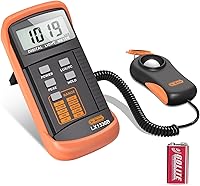
For more help choosing a position, read how much light a Calathea needs. If you want to check how bright a spot is, a light meter can give you a lux or foot-candle reading.
A reading can help you compare locations, but it does not tell you by itself whether a spot suits your plant. Consider the duration and direction of sunlight too, and check the leaves for signs that the position is too bright or too dim.
Can a grow light help Calathea indoors?
A grow light can help when your indoor position does not provide enough light. Choose a plant light that can illuminate the area without making leaves too warm, and follow its setup directions for distance and use.
The fixture is 54 watts and has a 6400K color temperature. SunBlaster says it can be placed 6–8 in above a plant canopy, but that distance is a general fixture placement note, not a Calathea-specific lighting prescription.
Start with a conservative setup and watch how the plant responds. A grow light does not replace a suitable temperature or protect leaves from direct sun through a window.
The Zoo Med hood is designed for reptile enclosures and comes with a UVB lamp. It is not a Calathea grow light recommendation, so do not choose it as a substitute for an indoor plant fixture.
What humidity and airflow should you consider?
Calathea generally prefers moist air and gentle airflow, so a protected, humid spot can suit it better than a dry or windy one. Keep leaves away from heating and cooling vents, and avoid leaving the plant in stagnant, waterlogged conditions.
Indoors, rooms with very dry air can make it harder to keep foliage looking healthy. Grouping plants together or using a humidifier can add moisture to the surrounding air.
Outside, a sheltered patio may offer protection from drying wind. Avoid placing the pot where rain repeatedly saturates the soil or where air cannot move around the foliage.
Brown or curling leaf edges can have several causes, including dry air, inconsistent watering or a harsh position. Use the steps in how to grow Calathea indoors without brown edges to review those conditions.
How should you water Calathea in either location?
Water Calathea when the top layer of its potting mix begins to dry, then let extra water drain away. Outdoor pots can dry faster in warm, breezy weather, so check the soil more often when the plant is outside.
Do not use a fixed calendar as the only guide. Pot size, room conditions, weather and the growing mix all affect how quickly moisture is lost.
Use a pot with drainage holes and empty any saucer that holds standing water. Keeping the roots constantly waterlogged can cause problems even when the leaves appear to need more moisture.
When you water indoors, a small can with a controlled spout can help you direct water onto the soil. See our best indoor plant watering can guide for a tool suited to watering houseplants.
The potting mix should hold some moisture while still draining. Our guide to the best soil for indoor plants explains what to consider when choosing a mix.
How do you move Calathea between indoors and outdoors?
Move Calathea gradually and keep its new light and temperature conditions close to what it already knows. A sudden shift from an indoor room to direct sun or wind can stress its leaves.
Before taking it outside, choose a sheltered, shaded position. Start with a short stay and increase the time over several days if the plant appears to be coping well.
Before bringing it inside, check the leaves and pot for pests, then place it in a bright indoor spot. Try to avoid moving it from deep shade straight beside a sunny window.
A plant may show stress after a move through drooping, curling or damaged leaves. Keep its location steady while you check soil moisture and exposure instead of changing several care conditions at once.
If you want to make more plants, learn how to propagate Calathea before you divide an established plant. Propagation is a separate step from moving a plant between locations.
Should you keep Calathea indoors year-round?
Keep Calathea indoors year-round if your outdoor weather is unpredictable, your garden has strong sun or wind, or you cannot protect the plant from cool nights. Indoor placement makes it easier to keep light and temperature more consistent.
A warm-climate gardener may be able to grow Calathea outdoors in a protected area. Check the forecast and the actual conditions at the plant’s location rather than assuming a sunny day means the spot is suitable.
Choose an indoor spot for stable warmth and filtered light; choose an outdoor spot only if it stays mild, shaded and sheltered. If the conditions change, bring the pot inside and give it time to adjust.
Frequently asked questions
Is Calathea an indoor or outdoor plant?
Calathea is usually grown indoors because it needs warmth and protection from cold. In a warm climate, it can grow outdoors in a sheltered spot with bright, indirect light.
Bring it inside if nights become cool or weather turns harsh, and avoid moving it between very different conditions at once.
Can Calathea grow outside in summer?
Calathea can spend summer outside when temperatures remain mild and the plant is protected from direct sun, wind and heavy rain. Place it in bright shade, keep its soil from drying out, and check the forecast before leaving it outdoors overnight.
Move it back inside before cool weather arrives.
Can Calathea tolerate direct sunlight?
Calathea generally does best in bright, indirect light. Strong direct sun can scorch or fade its leaves, especially in a hot outdoor spot or beside an unfiltered window.
Choose a shaded outdoor position or soften indoor sun with a sheer curtain, then watch the leaves for signs of stress.
What temperature is too cold for Calathea?
Cold conditions can stress Calathea, so bring it inside before temperatures drop and keep it away from cold drafts. Avoid placing it beside a chilly window, exterior door or air-conditioning vent.
Since indoor and outdoor conditions vary, check the forecast and the temperature around the plant, not just the daytime high.
Can Calathea recover from moving stress?
Calathea may take time to adjust after a move, especially when light, temperature or humidity changes sharply. Keep its new spot stable, water when the soil needs it, and avoid making several care changes at once.
Trim a damaged leaf only after you can see which parts have dried or browned.