How to Grow Calathea from Seed
Start calathea seeds warm, moist, and under bright indirect light, then pot seedlings only after they form roots and first leaves. Keep the mix evenly damp, avoid cold air, and move young plants into a humid, stable spot once they sprout.
On this page (10 sections)
- What do you need to start calathea seeds indoors?
- How warm should calathea seeds be to germinate?
- How do you sow calathea seeds step by step?
- What light do calathea seedlings need after sprouting?
- Which grow light suits calathea seedlings indoors?
- How do you pot up calathea seedlings without shocking them?
- How do you water and feed young calathea plants?
- How do you choose the easiest calathea to grow from seed?
- When should you try another method instead of seed?
- How do you know the seed method is working?
Start calathea seeds warm, moist, and under bright indirect light, then pot seedlings only after they form roots and first leaves. Keep the mix evenly damp, avoid cold air, and move young plants into a humid, stable spot once they sprout.
If you are learning how to grow calathea from seed, treat the first stage like a small greenhouse. The seeds need consistent warmth, clean water, and a cover that holds humidity.
What do you need to start calathea seeds indoors?
You need fresh seeds, a shallow container with a lid, a light seed-starting mix, and a warm spot away from drafts. Add clean water, labels, and a spray bottle for gentle moisture.
A clear plastic box or a seed tray with a dome works well because you can see condensation and check progress. Poke a few small vents or crack the lid daily so air can refresh.
Choose a fine seed mix that holds moisture but does not stay waterlogged. Pre-moisten the mix before sowing, then press it level so seeds sit on a flat surface.
Avoid garden soil for sowing because it can hold too much water and carry fungus.
How warm should calathea seeds be to germinate?
Keep the mix consistently warm, roughly in the 75 to 85 F range, with no cold nights. Warmth helps seeds wake up, while cold slows germination and raises the risk of rot.
A heat mat under the container can help if your room stays cool. Set the mat low and check the mix temperature with your hand, since a covered box can become hotter than the room.
Place the container away from cold windows, exterior doors, and air vents. A sudden chill can undo progress even when the room feels comfortable to you.
Do not use high heat to speed things up. Overheating can dry the surface or cook tender roots.
How do you sow calathea seeds step by step?
Sow seeds shallowly on moist mix, press them lightly in place, and cover them with a lid to hold humidity. Label the container with the variety and date on the day you sow.
Fill the container about two thirds full with pre-moistened mix and smooth the surface. Scatter seeds with a little space between them so roots have room to grow.
Press each seed gently so it contacts the mix without burying it deep. Seeds should not need a thick cover.
Mist lightly if the surface looks dry, then close the lid. Open it once a day to check for mold, add water, and let fresh air in for a few minutes.
How do you keep moisture steady without causing rot?
Keep the mix evenly damp like a wrung-out sponge, never swimming in water. Add water at the edges or mist lightly when the surface starts to pale.
Empty any standing water from the tray or box. Roots that sit in stagnant water can rot before the seedling is strong enough to recover.
Remove a fuzzy patch of mold with a clean tissue and increase air flow for a day. If many seeds turn soft or smell sour, start fresh with clean mix and a washed container.
What light do calathea seedlings need after sprouting?
Give seedlings bright indirect light for many hours each day, with no harsh direct sun. Young calathea leaves can scorch, and covered containers can overheat in a sunny window.
A bright windowsill with sheer light works if temperatures stay steady. You can also place the container under a grow light and raise or lower it to keep leaves from stretching or bleaching.
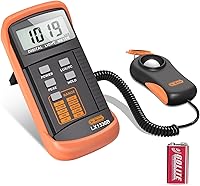
The Dr.meter Digital Illuminance Light Meter 0-200,000 Lux Range Lux Meter helps you check light at leaf level instead of guessing by eye. It toggles between FC and LUX, gives readings twice per second, and includes a 9V battery.
Use the meter in the morning and again under your light setup. Move the container or adjust the light so seedlings get steady brightness without a sudden jump.
Which grow light suits calathea seedlings indoors?
Choose a light that spreads even, full-spectrum light across a small tray without adding excess heat. Seedlings need enough brightness to grow compact, but they do not need a large or intense fixture.
The SunBlaster SL0900304 54 Watt 6400K 4' 120V Hydroponic Grow Light Lamp Ballast Fixture with NanoTech T5HO Reflector for Indoor Home Gardens and Plants is a 4 foot fixture rated at 3730 lumens. SunBlaster says the reflector spreads light wider across the canopy and fixtures can sit 6 to 8 inches above plants.
This size suits a shelf or bench with several trays. It is more than a single small pot needs, so raise it or use it at a greater distance.
Do not place any fixture so close that leaves feel warm. Check with the back of your hand, and leave space for seedlings to grow upward without touching the tubes.
When is a small terrarium hood a poor choice?
A small hood is a poor choice when it blocks airflow, adds unwanted UVB, or sits too low over young leaves. Calathea seedlings need light and humidity, not reptile lighting or a closed terrarium top.
The Zoo Med 5.0 T5-HO 14" Terrarium Hood with ReptiSun T5 HO 5.0 UVB Lamp includes a ReptiSun T5 HO 5.0 UVB lamp and measures 16.3 x 5.9 x 1.1 inches. Zoo Med describes it for reptile enclosures, with a low profile design and a curved reflector.
Skip this hood for seed trays because UVB is not the goal for calathea seedlings. A standard LED or fluorescent grow light gives you control without adding a lamp type made for reptiles.
How do you pot up calathea seedlings without shocking them?
Pot seedlings when roots are visible, leaves are open, and the plant can hold its shape when lifted. Tiny seedlings with only a pale shoot are easy to tear, so wait until they look sturdy.
Use a small pot with drainage holes and a light, airy mix with good drainage. A pot just a little wider than the root ball avoids excess wet mix around young roots.
Make a shallow hole with a fingertip or pencil, set the seedling at the same depth, and firm mix gently around the stem. Water slowly until a little water drains, then empty the saucer.
Keep the new pot under a cover or in high humidity for several days. Raise the cover a little more each day so the seedling adjusts to normal room air.
If you already know How to Grow Calathea Indoors without Brown Edges?, expect young plants to react to dry air and inconsistent water. Keep them away from heaters and cold drafts while roots fill the first pot.
How do you water and feed young calathea plants?
Water young plants when the top of the mix feels dry, then water until drainage runs and empty the saucer. Seedlings need smaller amounts more often than large plants do.
Use room temperature water and avoid wetting leaves late in the day. Brown leaf edges often follow salts, dry air, or sharp swings between wet and dry mix.
Wait to feed until seedlings have several sets of leaves and are growing steadily. Start with a diluted houseplant feed at half the label strength, then feed only during active growth.
Do not add fertilizer to the seed container. Salts can harm tiny roots, and germinating seeds have enough stored energy for the first stage.
How do you choose the easiest calathea to grow from seed?
Pick a variety for compact growth, tolerance of indoor light, and clear markings that show stress early. Some calatheas forgive dry air better, while others need very stable humidity.
If you want a calmer first project, compare the easiest calathea to grow indoors before ordering seeds. A forgiving variety gives you more room to learn watering and light.
Read seed packets for the exact species or hybrid name, then check adult size and leaf type. A smaller type fits a shelf and needs less humidity control than a large, thin leaved type.
Buy from a seller who lists harvest or packing dates when possible. Fresher seeds usually germinate more evenly.
When should you try another method instead of seed?
Try division instead when you want a rooted plant fast, you already own a mature calathea, or seed packets keep failing. A division starts with leaves and roots, so it skips the slowest stage.
Seed growing still suits you if you enjoy variety, have a warm humid spot, and can wait through slow germination. It also lets you raise several seedlings from one packet and share extras later.
Some growers move rooted seedlings into a soilless setup after potting, such as growing calathea in leca. Only make that move after roots are established.
Keep notes on sowing date, temperature, light position, and first sprout.
How do you know the seed method is working?
The method is working when condensation forms on the lid, seeds stay firm, roots appear, and shoots grow toward light without stretching. Pale, thin shoots mean more light, while soft seeds mean less water or cleaner mix.
Check once a day at first, then every few days once sprouts appear. Adjust the lid, light, or water in small steps so seedlings can adapt.
When seedlings grow, move them toward the care in how to grow calathea indoors without brown edges and keep humidity higher than for a mature plant. Small pots dry faster, so check them more often.
For a wider light setup, compare options in Best Grow Lights For Seed Starting. For the first pot, see Best Planter Pots For Calathea and choose a small pot with drainage.
Your next step is simple. Sow a few fresh seeds in a warm, covered container, keep the mix evenly damp, and give sprouts bright indirect light.
If you want a faster plant, review how to propagate calathea and divide a mature plant instead.
Frequently asked questions
How long do calathea seeds take to germinate?
Calathea seeds often need several weeks, and timing varies with freshness, seed type, and steady warmth. Keep the mix moist but not soggy, cover the container to hold humidity, and check weekly for roots or shoots.
Discard or start again if mold spreads or the seeds turn soft.
Do calathea seeds need light to germinate?
Warmth and moisture matter most at the start, but bright indirect light helps once shoots appear. Place the container near bright indirect light or under a grow light set for seedlings.
Avoid direct sun through a cover, which can heat the mix and dry seedlings quickly.
When should I pot up calathea seedlings?
Pot seedlings after roots and first leaves are strong enough to handle without tearing. Use a small pot with drainage and a light, airy mix so excess water can escape.
Water gently, keep humidity high for a few days, and avoid sudden moves to dry air.
Is growing calathea from seed easier than propagation?
No, seed growing is slower and less predictable than how to propagate calathea by division. Division gives you a plant with existing roots and leaves, while seeds need weeks of care before they look like a houseplant.
Choose seeds for variety and patience, and division for a faster result.