What Is the Easiest Alocasia to Grow?
Alocasia Polly is a practical first choice for many beginners because it stays compact and is widely grown indoors. It still needs bright indirect light, warm conditions and evenly moist, well-draining soil.
On this page (10 sections)
- What is the easiest Alocasia to grow indoors?
- Which Alocasia varieties suit beginners?
- How much light does a beginner Alocasia need?
- How often should you water an Alocasia?
- What temperature and humidity help Alocasia grow?
- What pot and soil should you use?
- What common problems should beginners watch for?
- Can a beginner propagate Alocasia?
- Can Alocasia grow in water?
- Is Alocasia a good first houseplant?
Alocasia Polly is a practical first choice for many beginner growers because it stays compact and is commonly grown as a houseplant. No Alocasia is carefree: most need steady warmth, bright indirect light and consistent moisture without soggy soil.
If Polly is hard to find, consider Alocasia cucullata, often called Buddha’s hand, or a smaller form of Alocasia macrorrhizos. The best fit depends on the space you have and whether you can keep humidity and watering steady.
What is the easiest Alocasia to grow indoors?
Alocasia Polly is often the easiest Alocasia to start with indoors because its compact size is easier to place and manage than a large elephant-ear type. It still needs regular attention to light, moisture and temperature.
Polly has dark, arrow-shaped leaves with pale veins. It is a cultivar of Alocasia amazonica, and it can react poorly to cold drafts, dry air and soil that stays waterlogged.
Alocasia cucullata is another reasonable beginner option. It has green, heart-shaped leaves and can be more forgiving of ordinary indoor conditions, though it still benefits from warmth, bright filtered light and a well-draining potting mix.
A compact macrorrhizos variety can work if you have more room. These plants can grow much larger, so check the mature size of the specific variety before you buy.
Which Alocasia varieties suit beginners?
Choose a compact variety if you want easier placement and routine care. Larger plants can make a striking display, but they need more room and may be harder to move or repot.
| Variety | Why a beginner might choose it | Main trade-off |
|---|---|---|
| Alocasia Polly | Compact leaves and a manageable indoor footprint | Sensitive to cold, dry air and excess water |
| Alocasia cucullata | Green foliage and a less fussy reputation | Still needs consistent moisture and suitable light |
| Compact Alocasia macrorrhizos | Larger, bold leaves for a roomy space | Can outgrow a small room or pot quickly |
| Alocasia zebrina | Distinctive striped stems and upright growth | Can be less forgiving of missed care or poor light |
Names and availability vary by nursery, and some plants sold under a familiar name may differ in size or form. Look for a healthy plant with firm stems, no obvious pests and leaves that are not heavily damaged.
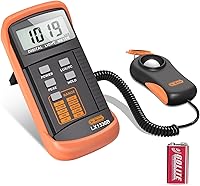
Use a meter as a guide to compare locations rather than as a guarantee that a plant will thrive. For another plant-specific lighting example, see how much light a bonsai needs.
Also watch how direct sun moves across the leaves during the day.
How much light does a beginner Alocasia need?
Give Alocasia bright, indirect light for steady growth. You can compare the needs of another common houseplant in this peace lily light guide.
A spot near an east-facing window often works, while stronger afternoon sun may scorch leaves unless filtered by a sheer curtain.
Low light can slow growth and leave stems reaching toward a window. If natural light is limited, our guide to how much light for Alocasia explains how to assess a room and choose a suitable spot.
A grow light can help when a room has few bright windows or during darker seasons. The SunBlaster fixture is a 4 ft T5HO light rated at 54 watts and 6400K, so it is better suited to a shelf or plant area than a single small pot.
Place supplemental light so it illuminates foliage without overheating the plant. Follow the fixture instructions and adjust the distance based on the plant’s response.
The Zoo Med hood is designed for reptile enclosures and includes a UVB lamp. Alocasia does not need reptile UVB lighting as a standard houseplant requirement, so this hood is not a first-choice grow light for a beginner.
How often should you water an Alocasia?
Water when the top layer of potting mix begins to dry, then let excess water drain away. Alocasia roots need moisture, but standing water can lead to root problems.
Check the soil with a finger rather than watering on a fixed weekday. Warm, bright rooms can dry a pot faster than cool, dim rooms, and a small pot usually dries sooner than a large one.
Use a pot with drainage holes and a loose indoor potting mix. Empty the saucer after watering so the roots do not sit in a puddle.
If you often forget watering, an Alocasia may not be the best match for your routine. Our guide to indoor plants that suit people who forget to water covers plants that handle missed watering better.
What temperature and humidity help Alocasia grow?
Keep Alocasia in a warm room away from cold drafts and sudden temperature changes. Many common indoor varieties grow best when conditions stay steady rather than swinging between cold nights and hot air from a vent.
Dry indoor air can cause leaf edges to brown or curl. A humidifier near the plant can raise local humidity, while grouping plants may modestly increase moisture around their leaves.
Avoid placing a pot directly above a radiator or beside an exterior door that opens often in winter. Keep leaves away from heating and cooling vents, which can dry them quickly.
What pot and soil should you use?
Use a pot with drainage holes and a loose mix that holds some moisture but drains freely. A dense garden soil can stay wet too long in an indoor container.
A simple indoor mix amended with bark or perlite can improve airflow around the roots. Choose a pot only slightly larger than the root ball, since extra soil can remain wet for longer.
Repot when roots fill the pot or growth slows despite suitable care. Move the plant into a container with drainage and avoid burying the stem deeper than it was growing before.
What common problems should beginners watch for?
Yellow leaves, drooping and brown edges usually call for a check of watering, light and room conditions. Look at the whole plant and its soil before changing several care habits at once.
Yellowing can follow overwatering, poor drainage or a natural older leaf dying back. If the soil is wet for days, reduce watering and check that the pot drains; if it is very dry, water thoroughly and let excess drain.
Brown, crispy edges can point to dry air, irregular watering or too much direct sun. Move the plant away from harsh afternoon rays and keep its moisture more consistent.
Leaves that droop after a move may be responding to a change in light or temperature. Give the plant time to adjust in a stable spot before making another change.
Alocasia can also enter a slower growth period, especially in cooler or darker months. A pause in new leaves does not always mean the plant is failing, but check that the roots are firm and the soil is not staying soggy.
Can a beginner propagate Alocasia?
A beginner can propagate Alocasia by separating offsets or dividing the rhizome when repotting. Use a clean tool and keep each division attached to healthy roots or a growing point.
Propagation from leaf cuttings is not a reliable method for most Alocasia. Follow our guide to how to propagate Alocasia plants for the steps and timing.
After dividing, pot each section in a small container with drainage. Keep the mix lightly moist and place the new plant in warm, indirect light while it establishes.
Can Alocasia grow in water?
Alocasia can be kept in water for a time, but it is not the simplest long-term setup for a first plant. Roots adapted to potting mix may need adjustment, and water culture requires regular monitoring.
If you want to try it, start with a healthy plant and learn the care details first. Our guide Can You Grow Alocasia in Water? explains the trade-offs and how to reduce common problems.
Is Alocasia a good first houseplant?
Alocasia can suit a beginner who enjoys checking plants regularly and can provide warm, bright conditions. For another tropical houseplant option, see easy Calathea varieties for indoors.
It is a less forgiving choice for someone who wants a plant that tolerates long dry spells or a dim corner.
Start with Polly or cucullata, place it in bright filtered light, and check the soil every few days while learning how quickly it dries in your home. For a complete routine, see how to care for Alocasia plants indoors.
For most first-time growers, the easiest Alocasia to grow is the compact variety that fits the room and care routine. Choose Polly for a smaller display, cucullata for simpler green foliage, or a larger macrorrhizos form if you have space and can keep conditions steady.
- What is the easiest Alocasia to grow?
- Which Alocasia needs the least care?
- Is Alocasia Polly good for beginners?
- How often should you water Alocasia?
- Can Alocasia grow in low light?
- Why are my Alocasia leaves turning yellow?
- Can I grow Alocasia in water?