Can Bonsai Trees Grow in Low Light?
Some bonsai trees can grow in low light, but most will not thrive there. Choose a shade-tolerant species, place it near the brightest window available, and add supplemental light when natural light is weak.
On this page (8 sections)
- Can an indoor low light bonsai stay healthy?
- Which bonsai trees are realistic for dim rooms?
- How can you tell if the room is too dark?
- When should you add a grow light?
- Can any full-spectrum light work for bonsai?
- How should you place a light over a bonsai?
- What other indoor plants have similar light needs?
- What is the best plan for a low-light bonsai?
Some bonsai trees can grow in low light, but most will not thrive in a dim room without supplemental lighting. Ficus and some jade bonsai are more realistic indoor choices, while many conifers and flowering bonsai need much stronger light and may struggle indoors.
That distinction matters when you choose a tree for a room that only gets soft light. A species sold for indoor growing may cope better than an outdoor tree brought inside, but even an indoor species can weaken if the light stays too low for too long.
Low light can cause slow growth, weak new shoots, pale leaves, and leaf drop. New growth may stretch toward a window, lower leaves may thin out, and the tree may look like it is holding on rather than growing with confidence.
A bonsai may survive near a dark window for a while, but survival is not the same as healthy growth. Over time, weak light can make the tree less able to support dense foliage, steady branching, and the careful pruning that bonsai care requires.
Placement can help, but it cannot fix a room that is far too dim. A bright window, open space, and a plant light in winter can make a real difference for a suitable species.
If you want a bonsai for low light, start with realistic expectations. Choose a species known for indoor use, keep it near your brightest suitable window, and plan to add light when growth starts to fade.
Can an indoor low light bonsai stay healthy?
An indoor low light bonsai can stay healthier when it receives bright indirect light plus a steady plant-light schedule. The room's brightness matters more than how comfortable it looks to your eyes.
Place the tree close to the brightest window that suits its species. Keep leaves away from cold glass, drafts, heaters, and air-conditioning vents.
Turn the pot every few days so one side does not grow toward the window. Make changes gradually if the bonsai is moving from a darker room to stronger light.
For a broader guide to light levels, see how much light does bonsai need. It explains why a bright-looking room may still provide too little light for a small tree.
Which bonsai trees are realistic for dim rooms?
Ficus bonsai are usually a better indoor starting point than outdoor conifers because they can adapt to indoor conditions when given enough light. Jade bonsai can also suit a bright indoor location, but they still need strong light and careful watering.
Chinese elm, juniper, pine, and maple bonsai are commonly treated as outdoor trees. They need conditions that include stronger light and, depending on the species, seasonal changes that a dim indoor room cannot provide.
Avoid choosing a bonsai only because it is small. A compact tree still needs the light, water, airflow, and seasonal care required by its species.
Is a ficus bonsai good for indoor low light?
A ficus bonsai is one of the more practical choices for indoor low light bonsai care, but it still needs bright light to keep producing healthy leaves. In a dim room, supplemental lighting may be necessary.
Watch for sudden leaf drop after moving the tree. Ficus can react to changes in light, temperature, watering, and placement, so keep its location stable while it adjusts.
Do not compensate for weak light by watering on a fixed schedule. Check the growing medium and water according to the tree's needs, since low light can slow water use.
How can you tell if the room is too dark?
A room is probably too dark when new growth becomes thin, leaves lose color, the tree drops leaves, or the bonsai leans strongly toward the window. These signs can have other causes, so check watering, pests, temperature, and root health too.
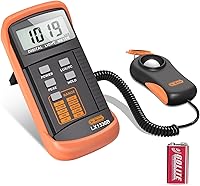
A light meter can help you compare locations instead of relying only on eyesight. The Dr.meter Digital Illuminance Light Meter 0-200 has a 0-200,000 lux range, switches between lux and foot-candles, and records a peak reading.
Take readings at leaf height and at different times of day. A single bright reading does not describe the full daily light pattern, so check the spot more than once.
The meter is battery powered and uses a 9V battery. Keep it dry and store it where the sensor will not be scratched or covered.
When should you add a grow light?
Add a grow light when the bonsai sits far from a window, receives little direct or bright indirect light, or shows weak growth despite proper watering and care. Supplemental light is especially useful in rooms with north-facing windows or blocked daylight.
A longer fixture can suit a shelf with several plants or a bonsai with a broad canopy. The SunBlaster SL0900304 54 Watt 6400K 4' 120V fixture has a 4 ft length, 3,730 lumens, a 6,400K color temperature, and a T5HO reflector.
SunBlaster says the fixture can sit 6 to 8 in above the plant canopy. Its kit includes a power cord, jumper plug, and hanging and flat-surface mounting clips.
The fixture can link up to 8 units from one power cord, which may help if you expand from one tree to a larger indoor garden. Its 49.5 x 3.5 x 2 in size needs a shelf or mounting area with enough room.
Use a timer for a consistent daily routine if the light does not have a built-in schedule. Keep the fixture and cord away from water, and check the leaves for heat or stress after setup.
For more ideas, compare the best grow lights for bonsai. A fixture should fit the shelf, canopy, and distance you can maintain every day.
Can any full-spectrum light work for bonsai?
A full-spectrum plant light can be useful when it supplies enough light at the leaves and covers the whole canopy. The label alone does not tell you whether the lamp is strong enough at your planned distance.
The SunBlaster fixture is described as full spectrum and daylight white, with a 6,400K color temperature. Its long shape makes it more suitable for a shelf or row than for a single tiny plant in a narrow corner.
A terrarium hood requires more care because its intended use is different. The Zoo Med 5.0 T5-HO 14" Terrarium Hood includes a ReptiSun T5 HO 5.0 UVB lamp, a T5 HO electronic ballast, and a polished curved reflector.
Zoo Med describes this hood for reptile enclosures and reptile UVB, UVA, and visible-light needs. That makes it a poor default choice for bonsai unless you understand the lamp type and have a specific setup that suits both the plant and the enclosure.
Do not place a UVB fixture over a bonsai simply because it is compact. Use a plant-growing light when your main goal is plant growth, and follow safety guidance for any UV-producing lamp.
How should you place a light over a bonsai?
Place the light above the canopy when possible, with coverage that reaches the leaves rather than only the topmost branch. Keep the tree close enough to receive useful light but not so close that leaves become hot or stressed.
A narrow beam can leave lower branches shaded. Rotate the pot and check the full canopy, especially if the bonsai has dense foliage.
Keep a simple record of the setup. Note the lamp distance, daily schedule, watering needs, and changes in leaf color or new growth.
If you are considering an artificial-light growing setup, read do bonsai kits work with artificial light. It covers the limits of kit lights and what to check before relying on them.
What other indoor plants have similar light needs?
Bonsai care is species-specific, so another plant's tolerance does not prove that a bonsai will succeed in the same spot. A plant can live in dim light, grow slowly, and still fall short of the strong, steady light a bonsai needs to stay dense and healthy.
Still, comparing common houseplants can help you judge how dim your room really is. If a spot is only just bright enough for a very shade-tolerant plant, it is probably not bright enough for most bonsai.
A monstera may tolerate lower light than a sun-loving bonsai, although its growth can still slow. Our guide to Can You Grow Monstera in Low Light? explains why tolerance does not mean ideal growth.
That comparison is useful because houseplants are often moved from room to room. A bonsai is harder to treat as a temporary decoration, since weak growth can show up as leaf loss and sparse branching.
Citrus bonsai need more caution. Lemon trees generally need much brighter light than a dim-room plant, as explained in lemon tree light requirements.
If a citrus plant asks for much more light, it is a reminder that small size does not lower a tree's needs. Match the species to the window you have, not the plant you wish would fit there.
What is the best plan for a low-light bonsai?
For indoor low light bonsai care, choose a species suited to indoor growing, place it near the brightest window, and measure or improve the light before changing the watering routine. A ficus is a more realistic choice for a dim home than a juniper or pine.
Use the Dr.meter meter to compare locations, the SunBlaster fixture for a dedicated plant-light setup, and the Zoo Med hood only when its reptile-focused UVB design truly fits your enclosure and safety plan.
Pick a bonsai tree first, then match the light to its needs. If the room cannot provide enough light, supplemental lighting is not an optional decoration.
It is part of keeping the tree healthy.
Frequently asked questions
Can bonsai trees grow in low light?
Some bonsai species tolerate lower light better than others, but low light usually slows growth and can weaken the tree over time. Place the bonsai near the brightest suitable window and use a plant light when the room is dim, especially during short winter days.
What is the best bonsai tree for a low-light room?
Ficus bonsai are often a more realistic indoor choice than sun-loving outdoor bonsai, though they still need bright light. Jade bonsai may also work in a bright indoor spot, but very dim rooms are not suitable for healthy long-term growth.
How many hours of light does an indoor bonsai need?
Many indoor bonsai need a long, consistent daily light period to replace the intensity they would receive outdoors. The exact schedule depends on the species and lamp, so follow the plant's care needs and keep the light close enough to illuminate the leaves without overheating them.
Can a regular lamp replace sunlight for bonsai?
A regular room lamp usually does not provide enough useful light for bonsai growth. A plant light designed for indoor growing is a better choice because it gives you a more suitable light source and lets you place the lamp near the foliage.