
What Indoor Plants Are Easiest for Someone Who Forgets to Water?
The easiest indoor plants for someone who forgets to water are those with succulent leaves or that store water in their roots, requiring very infrequent watering. Think Snake Plants, ZZ Plants, and Ponytail Palms. These hardy selections thrive on neglect and forgive occasional oversight.
Are you someone who struggles to keep plants alive because life gets in the way? You are not alone. Many plant enthusiasts face the challenge of remembering regular watering schedules. We found that choosing the right species makes all the difference for a thriving indoor garden, even for the most forgetful plant parent.
- Choose drought-tolerant plants.
- Look for thick leaves or swollen stems.
- Infrequent watering is key for these plants.
- Overwatering is a common killer.
Let’s explore some of the most forgiving indoor plants that will flourish in your home, even if you are a bit absent-minded about watering.
Top Picks: Drought-Tolerant Indoor Plants
For those of us who sometimes forget to water, the best plants are those that naturally store water. They are built for dry spells. We found that these plants truly thrive on neglect, making them perfect for busy or forgetful plant parents. You will find them forgiving, even if you skip a watering or two (or three!).
Snake Plant (Sansevieria trifasciata)
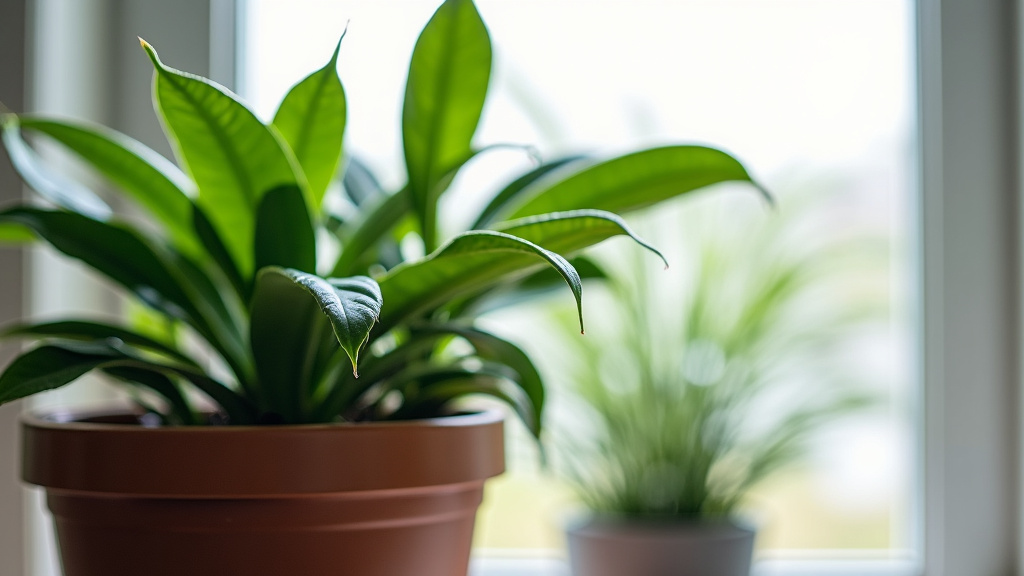
The Snake Plant is an absolute superstar for forgetful waterers. You might know it as Mother-in-Law’s Tongue. These plants are incredibly resilient. They store water in their thick, upright leaves. We found that they can go weeks without a drink.
Why the Snake Plant Excels
- Low Water Needs: Water only when the soil is completely dry. This could be every 2-4 weeks, or even longer in cooler months.
- Light Flexibility: They tolerate a wide range of light conditions, from low to bright indirect light.
- Air Purifying: Many experts say they help purify indoor air (NASA Clean Air Study).
- Variety of Looks: Comes in various shapes and patterns, adding a stylish touch to your home.
The biggest mistake with a Snake Plant is overwatering. Too much moisture can lead to root rot. When in doubt, it’s better to let it go a little longer without water.
ZZ Plant (Zamioculcas zamiifolia)
The ZZ Plant is another champion of neglect. Its waxy, dark green leaves are not just beautiful, they’re practical. They help the plant conserve moisture. Below the soil, it has large, potato-like rhizomes that store water. Think of them as natural water reservoirs.
ZZ Plant Care Tips
- Water Sparingly: Let the soil dry out completely between waterings. This often means once every 3-4 weeks. During winter, you might water even less.
- Light Preference: Thrives in low to bright indirect light. It’s very adaptable.
- Pest Resistant: Generally resistant to most common houseplant pests.
If you’re unsure if your ZZ Plant needs water, feel the soil deeply. If it’s still damp, wait. It’s nearly impossible to underwater a ZZ Plant, but very easy to overwater it. This is why it’s perfect for you.
Ponytail Palm (Beaucarnea recurvata)
Don’t let the name fool you; the Ponytail Palm isn’t a true palm. It’s a succulent. Its most distinctive feature is its swollen, bulbous trunk. This trunk acts like a camel’s hump, storing water for long periods. Its long, thin leaves spill out like a ponytail, giving it its name.
Advantages of the Ponytail Palm
- Excellent Drought Tolerance: Thanks to its water-storing trunk, it can go for weeks without water. Water thoroughly, then let the soil dry out completely.
- Unique Appearance: Adds a sculptural element to any room.
- Slow Growing: Requires very little pruning or maintenance.
A common sign of overwatering in a Ponytail Palm is a soft or mushy trunk. If you notice this, hold off on watering immediately. Healthy trunks should be firm.
Succulents and Cacti: The Ultimate Forget-Me-Nots
When we talk about plants that survive neglect, succulents and cacti are always at the top of the list. They are masters of water conservation. Their thick, fleshy leaves and stems are designed to hold onto moisture. We found countless varieties suitable for indoor living. To ensure their health, consider using the best planter pots for succulents that provide excellent drainage.
Aloe Vera (Aloe barbadensis miller)
Beyond its medicinal uses, Aloe Vera is a fantastic, low-maintenance houseplant. Its thick, fleshy leaves are packed with water-rich gel. It’s practically begging you to forget about it for a while.
Keeping Your Aloe Happy
- Infrequent Watering: Water when the soil is completely dry, usually every 2-3 weeks. In winter, even less frequently.
- Bright Light: Prefers bright, indirect light. A south or west-facing window is ideal.
- Practical Benefits: The gel inside can soothe minor burns and skin irritations.
If your Aloe Vera leaves start to look thin or shriveled, it’s a sign it might finally be thirsty. But this is rare. More often, people overwater, leading to mushy leaves at the base.
Christmas Cactus (Schlumbergera bridgesii)
Unlike desert cacti, the Christmas Cactus is an epiphytic succulent. It naturally grows on trees in tropical forests. This means it appreciates a little more humidity than desert cacti, but it still handles irregular watering well.
Christmas Cactus Care
- Moderate Watering: Water when the top inch or two of soil feels dry. This might be every 2-3 weeks.
- Indirect Light: Prefers bright, indirect light. Direct sun can scorch its leaves.
- Holiday Blooms: Known for its beautiful, colorful blooms around the holiday season.
If you see wilting leaves on your Christmas Cactus, it’s usually a sign of too much water, not too little. Its stems will feel soft and limp if overwatered.
Other Resilient Choices for Your Home
While the previous plants are superstars, a few other options also deserve your attention. They are nearly as forgiving and can add more variety to your indoor plant collection. We found these plants are great for adding greenery without constant worry.
Pothos (Epipremnum aureum)
Pothos, also known as Devil’s Ivy, is incredibly popular for a reason. It’s almost impossible to kill. Its trailing vines look beautiful in hanging baskets or shelves. We often say, “If you can’t keep a Pothos alive, maybe rethink plants.”
Why Pothos is So Easy
- Watering Cues: Its leaves will visibly droop when thirsty, giving you a clear signal. Then they perk right up after a good drink.
- Versatile Light: Tolerates low to bright indirect light.
- Fast Growing: Can grow quite long, creating a lush look.
Even though it gives clear signs, try to avoid letting it get to the point of severe droop. Water it when the top 2-3 inches of soil are dry. We found it’s quite resilient even if you miss a watering or two.
Cast Iron Plant (Aspidistra elatior)
The Cast Iron Plant lives up to its name. It’s incredibly tough. It can handle low light, low humidity, and infrequent watering with grace. If you’re looking for a large, dark green foliage plant that requires almost no fuss, this is it.
Benefits of the Cast Iron Plant
- Extreme Tolerance: Survives conditions that would kill most other plants.
- Very Low Water Needs: Water only when the soil is completely dry. This might be once a month or less.
- Low Light Champion: Thrives in very low light conditions, perfect for dim corners.
We found that the Cast Iron Plant prefers to be left alone. Resist the urge to water it frequently. Brown tips on the leaves are often a sign of too much water or too much fertilizer, not too little water.
A Quick Checklist for the Forgetful Waterer
Before you bring a new plant home, consider these points. They will help you choose wisely and set your plant up for success, even with your watering habits.
- Choose plants with thick, fleshy leaves or stems.
- Look for plants known for rhizomes or bulbous trunks.
- Prioritize plants that prefer soil to dry out completely.
- Read up on specific plant water needs before buying.
- Place plants where you’ll see them to remind you to check.
Understanding the Dangers of Overwatering
When you struggle with forgetting to water, you might think the solution is to water more when you remember. But for these drought-tolerant plants, this is often a fatal mistake. We found that overwatering kills more houseplants than underwatering (University of Illinois Extension).
What Happens with Too Much Water?
When you overwater, the soil stays constantly wet. This starves the roots of oxygen. The roots then begin to rot, a condition called root rot. Once root rot sets in, it’s often very difficult to save the plant. It’s like suffocating your plant slowly.
| Sign | Usually Means |
|---|---|
| Yellowing leaves | Overwatering |
| Wilting despite wet soil | Overwatering (root rot) |
| Mushy stems or base | Overwatering |
| Brown, crispy leaves | Underwatering |
| Shriveled, wrinkled leaves | Underwatering |
So, for the forgetful plant parent, the best advice is to embrace your nature. Choose plants that prefer a dry spell. They’ll forgive your oversight and continue to bring greenery into your home with minimal fuss.
Conclusion
You can absolutely have a beautiful indoor plant collection, even if you are prone to forgetting watering day. By choosing plants like Snake Plants, ZZ Plants, or Aloe Vera, you are setting yourself up for success. We found these hardy varieties thrive on minimal attention.
Embrace your natural watering style. Select plants that prefer drier soil rather than constant moisture. You’ll avoid the common pitfalls of overwatering and enjoy lush greenery. Start your forgiving plant journey today and watch your home transform.
Frequently Asked Questions
What are the absolute easiest plants for beginners who forget to water?
For true beginners, we recommend starting with a Snake Plant or a ZZ Plant. They are incredibly tough and can tolerate weeks without water. They also adapt well to different light conditions, making them very forgiving.
Can I revive a plant if I’ve completely forgotten to water it for too long?
Sometimes, yes! If the leaves are just a bit shriveled, a good soak can often bring it back. Place the pot in a sink with a few inches of water for 30 minutes, letting it absorb from the bottom. If the plant is completely dried up or crispy, it might be too late.
How often should I water these “forget-me-not” plants?
Most of these drought-tolerant plants only need water every 2-4 weeks. The key is to let the soil dry out completely between waterings. Always check the soil moisture with your finger before reaching for the watering can.
What kind of pot is best for plants that don’t need much water?
Pots with good drainage are essential. Terracotta pots are excellent because they are porous and help wick away excess moisture. This prevents the soil from staying too wet, which these plants dislike.
Do these low-water plants still need sunlight?
Yes, all plants need some light to survive. While many of these plants tolerate lower light, they will thrive with bright, indirect light. Avoid direct, harsh sunlight, as it can scorch their leaves.
