How Much Light for Alocasia?
Alocasia needs bright, indirect light for about 8 to 12 hours daily. Place it near an east or bright north window, or use a grow light high enough to avoid harsh heat and leaf scorch.
On this page (9 sections)
- What light level does Alocasia need?
- How much light for Alocasia works under a grow light?
- Where should you place Alocasia near a window?
- Which grow light suits a larger Alocasia shelf?
- Can a terrarium hood provide Alocasia light?
- What are the signs of too little Alocasia light?
- What are the signs of too much Alocasia light?
- Does light affect Alocasia propagation and water growth?
- What is the best light setup for Alocasia?
Alocasia needs bright, indirect light for about 8 to 12 hours daily.
That daily rhythm matters more than one perfect sunny hour. A plant placed in bright light for a short burst and then left in a dark room may still struggle.
Steady access across the day helps it keep growing in a balanced way.
Gentle morning sun is often a good fit. It gives the leaves useful light without the stronger heat that can build later in the day.
Protect the plant from strong afternoon rays. Direct sun through glass can warm the leaves quickly.
That heat can lead to pale patches or dry edges, even in a room that feels mild to you.
Use a grow light when the room is dim. This is especially helpful in winter, in a north-facing room, or on a shelf set back from the window.
The right light supports firm stems, steady leaf growth, and clearer leaf patterns. When light is too weak, growth often becomes slow and stretched.
When light is too harsh, the plant may keep growing but with damaged leaves.
Light needs can vary by window, season, glass, curtain, and distance from the source. A sheer curtain can make a bright window safer.
Moving a plant a little farther back can have the same effect.
Watch the plant as well as the clock. New growth is a useful clue.
Strong new leaves and upright stems usually mean the current spot is working well.
Variegated types can help you judge the spot too. When they lose contrast, the plant may not be getting enough usable light for new growth.
Do not move the plant in large jumps. A gradual change makes it easier to see what helps.
It also lowers the risk of leaf stress from a sudden shift to stronger light.
Closeness to the window is only part of the setup. Glass, curtains, wall colour, and nearby furniture can all change how much light reaches the leaves.
Two spots at the same distance can feel very different to the plant.
Seasonal changes deserve regular checks. A position that works in spring may need a curtain in summer or a grow light in winter.
Small seasonal tweaks are easier than fixing weak growth later.
For broader indoor care, start with this guide to how to care for alocasia plant indoors.
What light level does Alocasia need?
Bright, filtered light is the best general target for Alocasia. It should be bright enough to support active growth but softened enough to avoid hot, direct afternoon sun on the leaves.
An east-facing window is often a useful starting point because it provides gentler morning light. A bright north-facing window may work if the glass receives good daylight, while a south or west window may need a sheer curtain or more distance.
Place the plant close enough to the window to receive strong ambient light, but not pressed against hot glass. Rotate the pot every week or two if one side leans toward the light.
Alocasia varieties do not all respond in exactly the same way. If you're choosing a lower-maintenance type, compare the easiest alocasia to grow before deciding where to place your plant.
How much light for Alocasia works under a grow light?
A grow light can work well when natural light is weak, seasonal, or inconsistent. Position it above the foliage, keep the schedule steady, and check the leaves for heat stress.
A basic starting schedule is 10 to 12 hours of light followed by a dark period. Use a timer if your daily schedule changes, because consistent timing is easier for the plant than irregular long sessions.
Distance matters as much as the fixture. A light that is too far away may not provide enough intensity, while one that is too close can warm or bleach the leaves.
Start with the manufacturer's placement guidance, then adjust based on new growth and leaf condition.
How can you measure Alocasia light intensity?
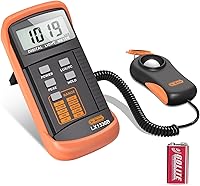
A light meter gives you a more consistent way to compare a window, shelf, and grow-light position. The Dr.meter Digital Illuminance Light Meter 0-200,000 Lux Range Lux Meter switches between FC and LUX, reads twice per second, and can record a peak value.
Use the meter at leaf height, with the sensor facing the light source. Take readings at different times of day because sunlight changes, then compare the results with how the plant responds over several weeks.
The meter is battery powered and uses 1 included 9V battery. Its ABS body measures 4 x 1 x 8 inches and weighs 12 ounces, so it suits a reader who wants a portable measurement tool for several plant areas.
Where should you place Alocasia near a window?
Set Alocasia near bright daylight with a little protection from intense midday or afternoon sun. A sheer curtain, nearby blind, or modest increase in distance can soften harsh rays without placing the plant in a dark corner.
Watch the leaves after moving the plant. A healthy position usually supports new growth without repeated pale, dry patches.
If the plant leans strongly or produces widely spaced leaves, it may need a brighter position.
Avoid placing Alocasia beside a drafty door, heater, or cooling vent. Light is only one part of the setup, and sudden temperature changes can add stress even when the brightness looks suitable.
If you're comparing it with brighter indoor plants, see What Plants Need the Most Light Indoors? for placement ideas.
Which grow light suits a larger Alocasia shelf?
A longer fixture is useful when several leaves share one shelf or when the plant has a wide canopy. The SunBlaster SL0900304 54 Watt 6400K 4' 120V Hydroponic Grow Light Lamp Ballast Fixture with NanoTech T5HO Reflector for Indoor Home Gardens and Plants measures 49.5 x 3.5 x 2 inches and produces 3,730 lumens.
Its 6400K daylight-white fluorescent light and 120-degree beam angle suit a setup where coverage matters. The fixture includes a cord, jumper plug, hanging clips, and flat-surface mounting clips, and up to 8 units can be linked from one power cord.
SunBlaster gives a placement range of 6 to 8 inches above the plant canopy. Follow that guidance while checking for heat, leaf bleaching, and uneven coverage.
This type of fixture makes more sense for a shelf or plant group than for someone who only needs a small single-plant lamp.
Can a terrarium hood provide Alocasia light?
A terrarium hood can provide a compact overhead light, but its intended use matters. The Zoo Med 5.0 T5-HO 14" Terrarium Hood with ReptiSun T5 HO 5.0 UVB Lamp is designed for reptile enclosures, not specifically for houseplant lighting.
The hood has a low-profile design, an energy-efficient T5 HO electronic ballast, and a polished curved reflector. It includes the ReptiSun T5 HO 5.0 UVB lamp and is built to provide UVB, UVA, and visible light for reptiles.
Because this fixture is made for reptile enclosures, choose it only when its form and lamp type fit your setup. Do not assume that UVB is required for Alocasia.
For a normal plant shelf, a fixture intended for indoor plants is usually a clearer match.
What are the signs of too little Alocasia light?
Too little light often shows as slow growth, stretched stems, smaller leaves, or a plant leaning toward the window. Variegated Alocasia may also lose some contrast as new growth develops under weak light.
Move the plant closer to a bright window gradually instead of placing it into intense sun all at once. A sudden change can add leaf stress, especially if the plant has been in a dim room.
If natural light remains weak, add a grow light above the plant. Keep the light schedule regular and make one adjustment at a time so you can tell which change helped.
What are the signs of too much Alocasia light?
Too much direct light can cause pale, bleached, crispy, or brown patches on Alocasia leaves. Heat through glass can worsen the problem, even when the room itself feels comfortable.
Filter strong sun with a curtain or move the pot farther from the window. Do not remove a leaf immediately after one damaged patch appears, because the plant may still be using the healthy parts of that leaf.
Check watering and airflow before blaming light alone. Drooping, curling, or brown edges can have more than one cause, so compare the damaged side of the plant with the side receiving the strongest light.
Does light affect Alocasia propagation and water growth?
Good light helps Alocasia maintain growth while it recovers from division or propagation.
Use bright indirect light and avoid pushing a newly divided plant into harsh sun. New roots and leaves need steady energy, but tender growth can scorch quickly in direct afternoon light.
If you're changing the growing method, read Can You Grow Alocasia in Water? before moving a plant from soil. Water-grown roots still need suitable light, oxygen, and clean water.
For new plants made from offsets or divisions, follow how to propagate alocasia plants and keep the young plant in steady filtered light while it establishes.
What is the best light setup for Alocasia?
Choose bright indirect window light first, then add a grow light when the plant stretches or the room stays dim. Use a light meter if you need to compare positions, a long SunBlaster fixture for a broad shelf, or the Zoo Med hood only when its terrarium format suits your setup.
Pick the brightest gentle window for a single plant. Pick a measured grow-light position when daylight changes too much.
If you want a raised setup for flexible placement, compare Best Grow Light On A Stand next.
The best answer to how much light for Alocasia is steady brightness without leaf scorch. Adjust distance, curtain coverage, and daily timing in small steps, then judge the setup by the plant's new growth.
Frequently asked questions
How much light does Alocasia need indoors?
Alocasia needs bright, indirect light for about 8 to 12 hours each day. A spot near an east-facing window often works well.
Near a south or west window, use a sheer curtain or move the plant farther back to reduce harsh direct sun.
Can Alocasia grow under a grow light?
Yes, Alocasia can grow under a grow light when the fixture gives bright light without excessive heat. Keep the light above the leaves, follow the fixture's distance guidance, and use a timer for a consistent daily schedule.
How do I know if my Alocasia needs more light?
Slow growth, long gaps between leaves, smaller new leaves, and stems leaning toward a window can indicate insufficient light. Move the plant closer to a bright indirect source gradually, then watch for stronger new growth rather than changing its position every day.
Can Alocasia get too much light?
Yes, intense direct sun can bleach or scorch Alocasia leaves, especially behind hot glass. Pale patches, crispy brown areas, or curled leaves may signal excess light or heat.
Filter midday sun and check the soil and leaves before making a larger move.