How to Choose a PAR Light Meter for an Aquarium
Choose a PAR light meter for an aquarium with an underwater-capable sensor and calibration suited to planted tanks. Measure at plant level, use consistent placement, and treat readings as one part of setting light intensity and duration.
On this page (8 sections)
- What should a PAR light meter for an aquarium measure?
- Why does calibration matter in a planted aquarium?
- How do you take a useful aquarium PAR reading?
- How should you use readings to adjust aquarium lighting?
- Which meter features are useful for aquarium owners?
- Can an indoor grow light replace an aquarium fixture?
- What should you check before buying?
- How do you choose a PAR light meter for an aquarium?
Choose a PAR light meter for an aquarium with a sensor rated for underwater use and calibration appropriate for planted tanks. Take readings at plant level, repeat them in the same spots, and use the results to guide light placement and intensity.
A reading is a snapshot of light at the sensor. It does not by itself tell you the right lighting duration or guarantee that a plant will thrive.
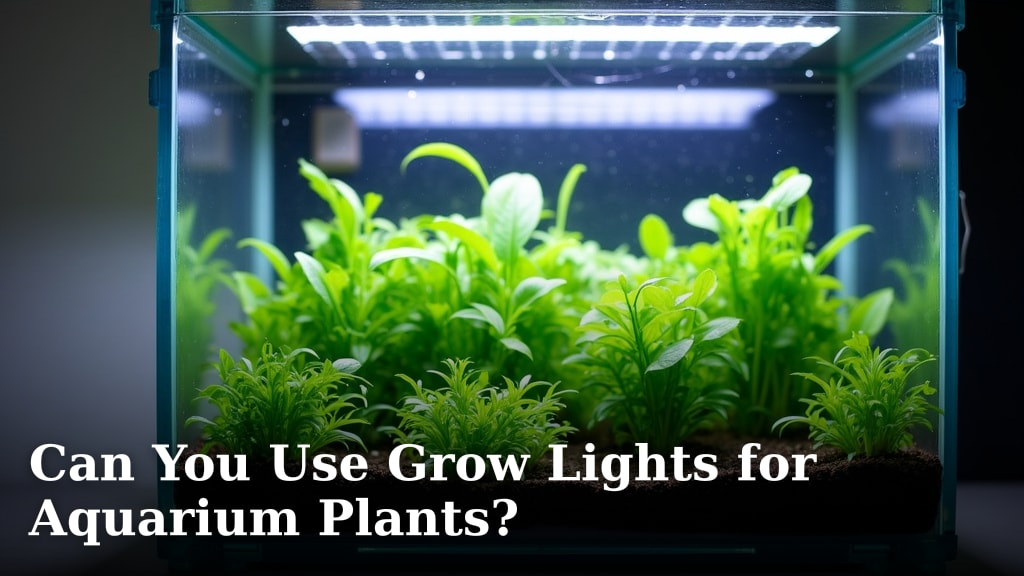
If you are still choosing the fixture, compare Best Grow Lights For Aquarium Plants and learn Can You Use Grow Lights for Aquarium Plants? before buying a meter.
What should a PAR light meter for an aquarium measure?
A PAR meter measures light in the photosynthetically active range, commonly reported as photosynthetic photon flux density, or PPFD. For aquarium use, the key requirement is a sensor that can measure underwater where the plants receive light.
A meter designed only for air may not give a useful reading once submerged. Water, depth, surface movement and the sensor's optical design can affect the light reaching plants, so an underwater reading is more relevant for submerged growth.
Check the meter documentation for:
- Whether the sensor is waterproof or explicitly rated for underwater use
- The depth and duration limits for submersion
- The light spectrum and sources covered by its calibration
- The measurement range and stated accuracy
- How to orient the sensor and clean it after use
Do not assume that “water resistant” means safe to leave underwater. Follow the maker's instructions for handling and storage.
Why does calibration matter in a planted aquarium?
Calibration matters because a meter converts the light detected by its sensor into a reported value. A calibration mismatch can make readings less useful, especially when the fixture has a spectrum that differs from the light sources used to calibrate the meter.
Ask whether the calibration is intended for the type of aquarium lighting you use, such as white LED or a mix of colors. If the maker publishes correction factors, check whether your fixture needs one and apply it consistently.
Calibration does not make every reading exact. It makes readings more meaningful for comparison when you use the same meter and method over time.
Does the meter work with your aquarium light?
Check whether the meter supports the spectrum of your light source, rather than relying on the meter's general “PAR” label. Aquarium fixtures and grow lights can combine different wavelengths, and a sensor may respond differently across that range.
For a separate fixture type, see metal halide grow light wattage guidance. Learn how full spectrum vs red and blue when choosing a fixture.
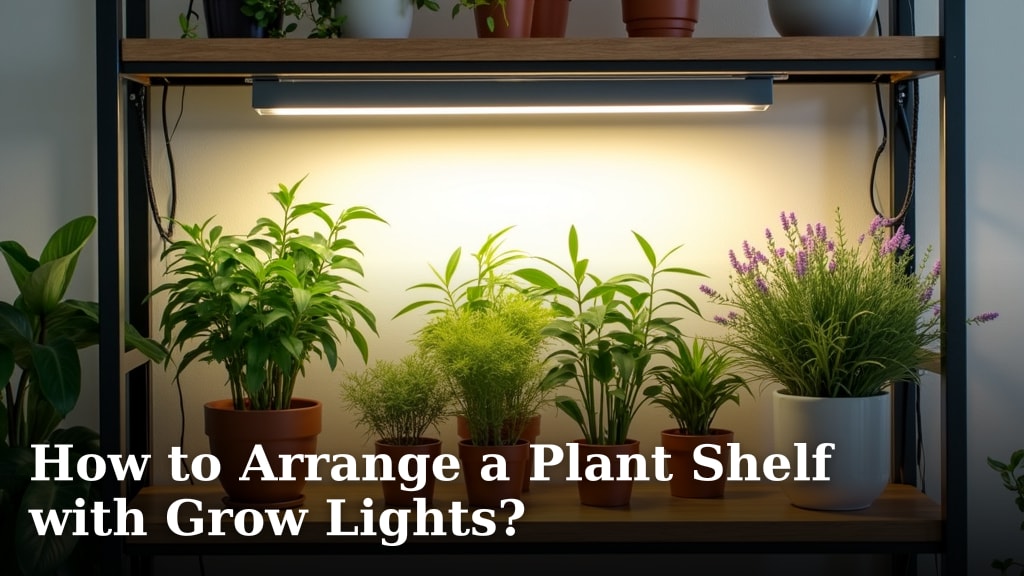
If you plan to use an overhead plant fixture, first review how to choose the right grow light for your plants. That guide can help with fixture selection, while the meter helps you compare delivered light.
How do you take a useful aquarium PAR reading?
Take readings at the plant's location and under the normal operating setup. Keep the light, water level and sensor orientation the same when comparing different positions or settings.
Use a simple repeatable method:
- Secure the light at its usual height and set its normal intensity.
- Place the underwater sensor at the height of the plant leaves or growth tips.
- Face the sensor toward the light as the meter instructions specify.
- Record readings at several points, including the center and edges of the planted area.
- Repeat any reading that seems out of line, then note the light setting and measurement location.
A single center reading can hide dim corners or a bright patch directly below the fixture. A small map of the tank gives you a better view of how evenly light reaches the plants.
Keep hands and meter cables away from water when required by the meter instructions. Turn off equipment before moving a sensor if doing so helps you avoid disturbing plants or livestock.
How should you use readings to adjust aquarium lighting?
Use PAR readings to compare placement and intensity, then make one change at a time. If the edges read much lower than the center, changing fixture height or position may help spread light more evenly.
Do not chase the highest number. Plant needs vary, and a measurement does not account for every factor in growth.
Start with the plants and conditions you have, adjust gradually, and observe new growth over time.
Light duration also matters. A PAR meter usually reports intensity at a moment, so it does not replace a timer or a plan for daily light exposure.
If your aquarium lighting is part of a larger indoor growing setup, the best grow light for terrarium guide offers a related comparison for enclosed plant spaces. Different environments call for different placement and measurement choices.
Which meter features are useful for aquarium owners?
The most useful features are those that make underwater measurements safe and repeatable. An appropriate underwater sensor and clear calibration guidance matter more than extra controls if your main goal is to compare light at plant level.
Consider these features:
| Feature | Why it helps |
|---|---|
| Underwater-rated sensor | Measures light where submerged plants grow |
| Published calibration details | Helps you judge whether readings suit your light source |
| Clear measurement range | Shows whether the meter can report your expected readings |
| Stable sensor orientation | Makes repeated readings easier to compare |
| Simple data recording | Helps track changes by tank location and light setting |
A larger feature list does not guarantee a better aquarium measurement. Prioritize documented underwater use and calibration for the lights you plan to measure.
Can an indoor grow light replace an aquarium fixture?
An indoor grow light may provide light for plants above an aquarium, but it is not automatically suitable for submerged plants. For another indoor fixture, see the Spider Farmer SF2000 review.
Check its mounting, coverage and use around water, and confirm that the light reaches the plants through the water.
The SANSI Grow Lights for Indoor Plants uses a 4000K full-spectrum bulb with an E26 base, so it may suit a separate indoor plant setup where a compatible socket is available.
The LEOTER Grow Light for Indoor Plants has an adjustable gooseneck, clamp and multiple timer settings, which can help position light over a nearby plant area. For other indoor plant fixtures, compare Barrina grow lights.
The GooingTop Grow Light has a flexible gooseneck, clamp and two dimming levels, making it another option for a small above-tank plant area.
These are indoor plant lights, not underwater fixtures. Keep electrical parts safely away from splashes, and use an aquarium-appropriate light for submerged plants.
What should you check before buying?
Before choosing a meter, confirm that its underwater rating covers your intended use and that the calibration suits your light source. If either point is unclear, the reading may not answer your aquarium question.
Check the sensor instructions for immersion limits and care. Also look for a stated measurement range, accuracy information and guidance on correcting readings for different spectra.
Then decide whether you need a meter at all. It is most useful when you will compare several tank locations, adjust a fixture, or recreate a known setup.
If plants are doing well and the lighting will stay unchanged, observation may be enough.
For other light-sensitive plant setups, see best grow lights for carnivorous plants. If you also manage a hydroponic system, Do You Need a pH Meter for Hydroponics? covers a different measurement tool used to monitor growing conditions.
How do you choose a PAR light meter for an aquarium?
Choose a PAR light meter for an aquarium by matching its sensor to underwater measurement and its calibration to your fixture. Measure at plant height in several locations, record the setup, and use the readings to compare changes rather than treating one number as a growth target.
Pick a meter with clear underwater guidance if you need repeatable tank measurements. If you mainly want to choose a fixture, start with the light itself and compare options such as the Mars Hydro TS1000 Review.
Frequently asked questions
Can I use a regular PAR meter in an aquarium?
Only if its sensor is designed to work underwater and its calibration fits the light source you are measuring. A meter meant for air can give readings that do not represent light reaching submerged plants.
Check the sensor instructions and calibration details before placing it in a tank.
Where should I measure PAR in a planted aquarium?
Measure at the height where the plants grow, with the sensor facing the light and positioned as it will be during normal use. Check more than one location because readings can vary across the tank.
Keep placement and orientation consistent when comparing adjustments.
Does a higher PAR reading always mean better plant growth?
No. A higher reading means more photosynthetically active light at the sensor, but the useful level depends on plant choice, light duration, carbon availability and other tank conditions.
Use measurements to compare locations and changes, then watch how plants respond over time.
Can a PAR meter measure light from a grow lamp above an aquarium?
Yes, if the sensor and calibration are suitable for the lamp and the measurement conditions. For submerged plants, measure underwater at plant level when possible, since water and tank depth affect the light that reaches them.
Confirm that the meter is safe to submerge.
Do I need a PAR meter for aquarium plants?
A PAR meter can help when you need to compare light across a tank, set fixture height, or repeat a lighting setup. It may be less useful for a simple aquarium where plants are growing well and you do not plan to change the light.
A meter does not replace observing plant response.