Full Spectrum Grow Light vs Red Blue: Which Is Better? (November 2026)
Choose a white full spectrum grow light for natural-looking plant views and flexible daily use, or a red and blue light when you want those colors and modes. For many small indoor setups, a fixture with both options gives you room to adjust.
On this page (7 sections)
- Full spectrum grow light vs red blue: what's the difference?
- Which spectrum is easier to use at home?
- Is a full spectrum light better for every plant?
- When is a red and blue mode useful?
- Which controls should you compare?
- How do you choose between white and red-blue grow lights?
- Full spectrum vs red and blue grow lights: which should you choose?
Choose a white full spectrum grow light for a natural view of your plants, or a red and blue fixture if you prefer those colors or want a red-blue setting. If you're unsure, a light with both modes lets you compare them in your own growing space.
The main difference is the light you see and the controls you get. Some fixtures use white LEDs, some emphasize red and blue, and others offer both as selectable modes.
Before choosing, check how the light mounts, how far it can sit from the plants, and whether its brightness and timer fit your routine. For a specific fixture example, read the Spider Farmer SF2000 review.
A spectrum choice can't make up for poor placement or too little light reaching the leaves.


Full spectrum grow light vs red blue: what's the difference?
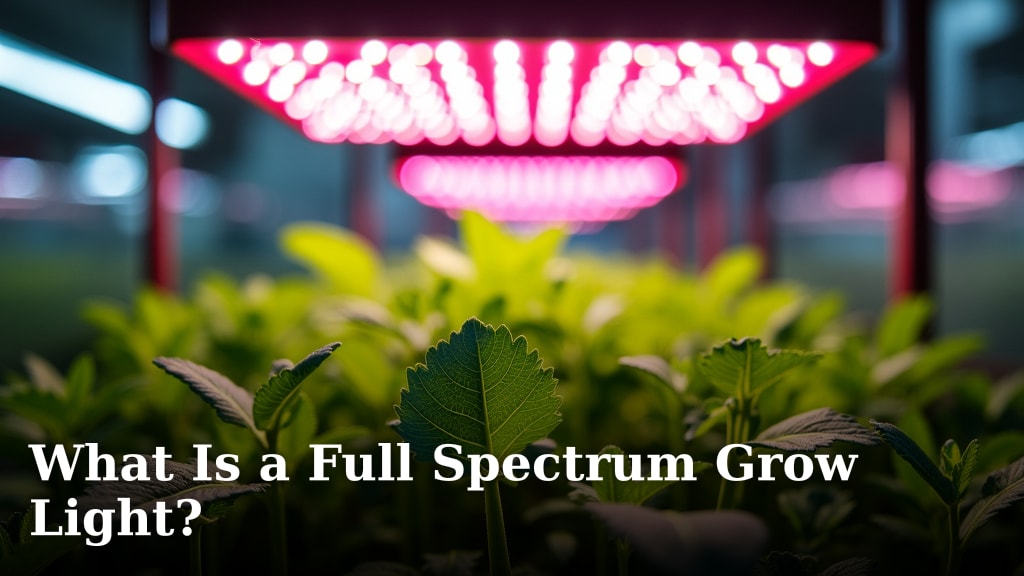
White full spectrum light looks more like ordinary room light, while red and blue lighting gives the room a colored glow. The terms describe different ways a fixture produces and presents light, so check the modes and wavelength details for the exact model.
“Full spectrum” is used for light designed to cover a broad range of wavelengths. White light can be easier to view while tending plants, but color appearance alone doesn't tell you how much usable light reaches them.
Red and blue fixtures focus on those colors, or provide them as one of several modes. Some indoor growers prefer that look, while others find it less comfortable in a living room or workspace.
The grow light spectrum guide explains how to compare spectrum descriptions. For a closer look at LED options, read how to choose an LED grow light spectrum.
What does white full spectrum light look like?
White full spectrum light makes leaves and nearby objects appear closer to their usual colors than a red and blue glow does. That can make routine checks easier when the plants share a room with you.
White appearance doesn't guarantee that every fixture has the same spectral output. If plant needs are your priority, use the maker's stated spectrum and instructions rather than judging only by how the light looks.
What does red and blue light look like?
Red and blue fixtures can cast a magenta or purple-looking glow, depending on their mix and surroundings. That color may make it harder to judge leaf color at a glance.
A red-blue mode can still be convenient if the fixture offers it alongside white light. Compare adjustable spectrum grow lights if you want to switch between modes.
For instance, the yentbokj lamp lets you choose red and blue, white, or a mixed mode, so you can change the visible color without swapping the light.
Which spectrum is easier to use at home?
White light is often the more comfortable choice in a shared room; red and blue may suit a dedicated plant area. Your preference matters because you'll need to check and care for the plants under the light.
If the growing area is beside a desk, sofa or kitchen counter, a white setting can blend into the room more easily. A white LED grow light can also make it simpler to see leaf color and spot changes during routine care.
A dedicated shelf or grow area gives you more freedom to use a colored light. You may still want a white setting for inspection, especially if you need to compare leaf color with the rest of the plant.
Think about glare and spill as well. Aim the fixture toward the plant canopy, and avoid directing bright light toward a seat or screen.
Can you see plant color under red and blue lights?
White light generally makes plant color easier to judge by eye. Red and blue illumination changes how leaves appear, so a leaf may look different under the lamp than it does in daylight or ordinary room light.
If a plant looks unusual under a colored setting, inspect it under neutral room light before deciding something is wrong. This simple check can help separate a lighting effect from a real change in the plant.
Is a full spectrum light better for every plant?
No single spectrum label is enough to choose a grow light for every plant. Match the light to the plant, its distance from the fixture and the growing conditions you can maintain.
Houseplants, seedlings, herbs and fruiting plants can have different needs. A longer shelf may suit one of the best four foot grow lights.
The fixture's placement and coverage matter too: a light that suits one small pot may not cover a broad shelf evenly.
Look for practical controls, such as adjustable brightness or a timer, if you want to adapt the setup. The guide to choosing the right grow light for your plants can help you compare those factors.
For broader coverage in one spot, the yentbokj fixture has 5 flexible heads on a tripod that extends from 15 to 63 inches. If you need a floor-mounted setup for several nearby pots, see the Best Full Spectrum Grow Light guide for more options.
Does spectrum matter more than distance?
Distance and placement can matter as much as the selected color mode. A light too far away may not deliver enough light to the leaves, while a light too close may not cover the plant evenly.
Start with the maker's placement guidance, then observe how the plant responds over time. Keep the fixture stable and adjust one factor at a time so you can understand what changed.
When is a red and blue mode useful?
A red and blue mode is useful when you want to choose those colors directly or switch between color settings on one lamp. It's most convenient when the same fixture also has a white mode for normal viewing.
The LEOTER light offers full spectrum, red and blue, and a combined mode. Its 4-head gooseneck and clamp suit a shelf or desk where you can attach the base securely.
A mostly white fixture is another option if you don't need to select a red-blue-only setting. The GooingTop uses 74 white and 10 red LEDs and has a clip mount for aiming it toward a small plant area.
Choose a mixed-mode light when you want both colors at once but still value flexibility. The Mars Hydro TS1000 review may help if you're also considering a larger fixture for a grow space.
Which controls should you compare?
Compare mounting, reach, brightness steps and timer settings before choosing by spectrum alone. These details determine whether you can position the light securely and keep a repeatable schedule.
A clamp light needs a shelf or table edge that can hold it. A tripod needs open floor space, while a clip light is easier to move between smaller plant groupings.
Brightness controls help you adjust light output without changing the fixture's position. Timer options reduce daily switching, but check whether the timer remembers its settings after power loss.
The Hywyimlait comes as 2 clip lights, with red-blue, white and mixed modes, 10 brightness levels and 4 timer choices. That set can suit separate small plant areas where each light can be attached and aimed independently.
For a complete growing cycle, compare light coverage and placement with your setup. Our full grow cycle light guide covers what to consider as plants progress from early growth to maturity.
How do you choose between white and red-blue grow lights?
Choose white full spectrum if you want a more natural view in a shared room; choose red and blue if you prefer that glow or want a selectable red-blue mode. A fixture with both options is a practical middle ground.
Start with the growing area. Measure the shelf or floor space, count the plants you want to cover, and note where a clamp or tripod can stand.
Then compare the fixture controls. White-only may be simple for everyday use, while multiple modes can help if you want to change the appearance or lighting setting.
Don't assume “full spectrum” means every product works equally well for every plant. Check the stated modes and follow the fixture's guidance for distance and daily use.
Full spectrum vs red and blue grow lights: which should you choose?
Pick white full spectrum for comfortable viewing in a shared indoor space, and red-blue for a dedicated growing area or a color mode you prefer. Choose a fixture with both if you want flexibility, then base the final choice on coverage, mounting and controls.
For a broader comparison of fixture types and plant needs, use the grow light spectrum guide. Match the light to the plants and the space where you'll use it.
Frequently asked questions
Are full spectrum grow lights better than red and blue?
Neither color approach is automatically better for every indoor garden. White full spectrum light gives you a more natural view of leaves, while red and blue modes let you select those colors directly.
Compare the fixture's coverage, mounting style and controls, then match them to your plants and growing space.
Do plants need both red and blue light?
Plants use different parts of the light spectrum, but a grow light's label alone doesn't show how much useful light reaches your leaves. A fixture with white, red and blue options gives you selectable modes; set its height and brightness according to the plant's needs and the manufacturer's instructions.
Does red and blue light make plants grow faster?
Red and blue colors can be useful parts of plant lighting, but color alone doesn't guarantee faster growth. Light intensity, distance, daily duration, plant type and other growing conditions also matter.
Follow the light maker's guidance and watch for signs that the plant needs an adjustment.
Is white light full spectrum?
Some white grow lights are described as full spectrum, but white appearance by itself doesn't confirm a fixture's spectral range or output. Check the named modes and wavelength information when available.
Our guide to what a full spectrum grow light means explains the term.
Which light color is easier to live with indoors?
White light is usually easier to view alongside a room's normal lighting because leaves and surroundings look more natural than under a strong red and blue glow. If you want color choices, select a fixture with both white and red-blue modes, then use the setting that suits the room and plants.