Can Monstera Plants Handle Direct Sunlight?
Monstera plants can handle some gentle direct sunlight, but bright indirect light is safer for daily growth. Strong midday sun can scorch foliage, especially after a sudden move from a dim room.
On this page (9 sections)
- How much light does Monstera deliciosa need?
- Can Monstera plants grow in direct sunlight?
- What does too much light look like on Monstera foliage?
- How can you measure light before moving a Monstera?
- What should you do if your Monstera gets sunburned?
- Which grow light helps when natural sun is too strong or weak?
- Is a terrarium hood suitable for a Monstera?
- How should you adjust a Monstera to a brighter window?
- Where should you place a Monstera?
Monstera plants can handle some gentle direct sunlight, but bright indirect light is the safest choice for steady growth. For comparison, see whether snake plants tolerate direct sunlight.
That distinction matters because a leaf can look fine in morning sun and still struggle later in the day. Light strength changes as the sun moves, and glass can concentrate heat near the window.
Strong midday sun can scorch leaves, especially when a plant moves suddenly from a dim room to a sunny window. The leaf tissue has not had time to adjust, so it can bleach or dry out faster.
Monstera deliciosa is a tropical plant that naturally grows under taller vegetation. Indoors, give it bright light filtered through a curtain, placed a few feet from a bright window, or supplied by a grow light.
Bright indirect light supports the larger leaves and fuller shape that many owners want from this plant. Lower light may keep it alive, but growth can slow and new leaves can stay smaller.
This plant suits a home where you can offer consistent light and check the foliage each week. It is less suited to a dark corner or a spot with harsh sun all afternoon.
An east-facing window often gives a gentler start for a plant that is moving to a brighter room. A south or west window can be bright enough, but it may need distance or a sheer curtain.
Watch the side of the plant that faces the glass, since stress usually shows there first. Pale patches, tan marks, curled edges, or dry tissue are signs to ease the exposure.
Do not judge the location by one bright moment in the morning. A stable position across the day is usually safer than a spot that swings from dim to harsh.
When in doubt, choose bright filtered light and let the plant settle before you change anything again. Steady light makes watering, growth, and leaf health easier to read.
How much light does Monstera deliciosa need?
Monstera deliciosa needs bright, indirect light for healthy growth and larger leaves. It can tolerate lower light, but growth may slow and new leaves may stay smaller or develop fewer splits.
A bright east-facing window often gives gentle morning sun. A south- or west-facing window may provide stronger afternoon light, so sheer curtains or extra distance can reduce stress.
Light changes with the season, window glass, curtains, nearby buildings, and the plant's distance from the window. Check the plant itself rather than relying only on the direction of the glass.
If your room is dim, read Can You Grow Monstera in Low Light? for placement ideas. Low light may keep a Monstera alive, but it does not always support fast growth or large, deeply split leaves.
Can Monstera plants grow in direct sunlight?
Monstera plants can grow with limited direct sun when they are acclimated gradually. Early morning or late afternoon rays are usually easier to manage than harsh midday sun.
Start by giving the plant a short period of direct light, then increase exposure over several days or weeks. A plant raised in bright filtered light may burn if moved straight into several hours of strong sun.
Keep the pot and leaves away from hot glass if the window becomes warm. Direct rays combine with heat near the glass, which can dry foliage faster than the same light across a cooler room.
Don't move a struggling plant into stronger sun as a quick fix. First check watering, roots, pests, and room temperature.
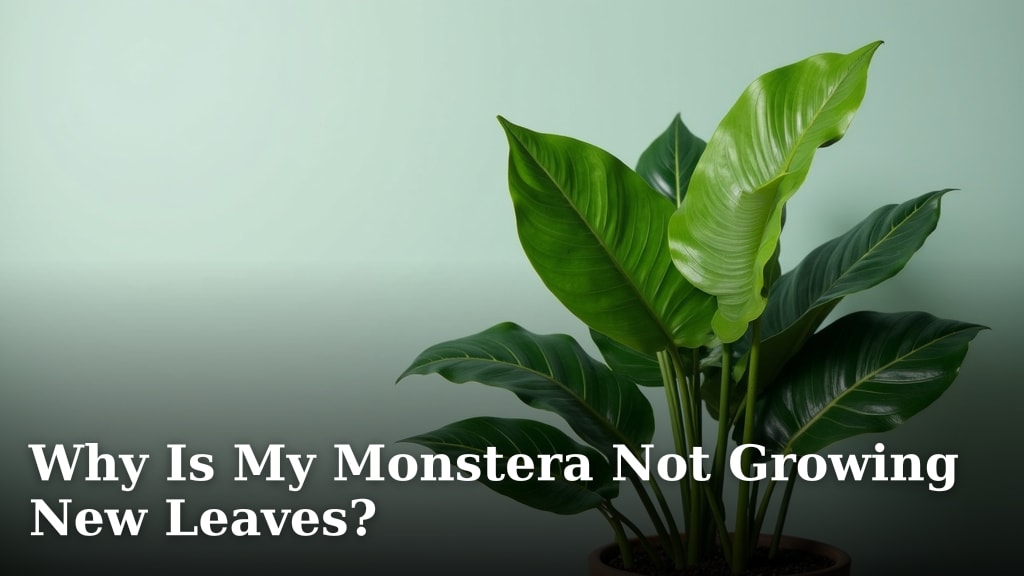
If the plant has stopped producing leaves, see Why Is My Monstera Not Growing New Leaves?.
What does too much light look like on Monstera foliage?
Excessive light often shows as bleached, tan, or brown patches on the leaf surface. The damaged area may feel dry, and it often appears on the side that faces the window.
Other signs include curled leaves, crispy edges, faded green color, and dry sections between the veins. Sun damage does not always cover the whole leaf, so compare the window-facing side with the shaded side.
Brown leaves can also result from dry soil, low humidity, root trouble, or fertilizer buildup. Look at the full care pattern before blaming sunlight alone.
Move the plant farther from the window or add a sheer curtain. Remove only fully damaged tissue with clean scissors if you prefer a neater appearance.
A scorched section won't turn green again, but new leaves can grow normally after the light improves.
How can you measure light before moving a Monstera?
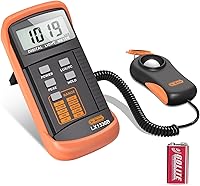
A light meter can help when a room looks bright to your eyes but the plant still grows slowly. Take readings where the leaves sit, then compare the window area, a few feet back, and any proposed grow-light location.
The Dr.meter Digital Illuminance Light Meter 0-200 has a 0 to 200,000 lux range, fast readings, FC and LUX conversion, PEAK recording, and a low-battery alert. It is useful for comparing spots instead of guessing from appearance.
Use the same measurement unit each time and record readings at different hours. A single bright reading does not describe the plant's total daily exposure, so check morning, midday, and afternoon conditions.
A meter can show differences between locations, but it cannot decide the perfect placement by itself. Combine readings with leaf color, growth, moisture, and signs of scorch.
What should you do if your Monstera gets sunburned?
Move a sunburned Monstera into bright filtered light and keep its care steady. Avoid repeated moves because the plant needs time to adjust to the new exposure.
Check the soil before watering. Sunburn does not automatically mean the plant needs extra water, and constantly wet soil can create a separate root problem.
Trim badly damaged leaves only when they are mostly brown or no longer useful to the plant. If one leaf has a few marks but remains mostly green, leaving it in place allows it to keep supporting the plant.
Clean dust from healthy leaves with plain water and a soft cloth. Clear foliage helps you inspect new damage, but cleaning won't reverse burned tissue.
Which grow light helps when natural sun is too strong or weak?
A grow light helps when your windows provide inconsistent light or when moving the Monstera away from direct sun leaves it too dim. Keep the light above the plant and follow the fixture's placement guidance.
The SunBlaster SL0900304 is a 54-watt, 6400K, 4-ft indoor T5HO fixture with a reflector, 3,730 lumens, and a stated 6 to 8 in placement above the canopy. It includes a power cord, jumper plug, and hanging and flat-surface mounting clips.
Its long shape suits a shelf or plant area with enough horizontal room. The fixture can link up to 8 units from one power cord, which may help when several plants share a growing space.
Follow the stated distance rather than placing any light directly against leaves. Watch for heat, uneven coverage, and leaf bleaching as you adjust the setup.
For more options, compare Best Grow Lights For Monstera.
Is a terrarium hood suitable for a Monstera?
The Zoo Med 5.0 T5-HO 14" Terrarium Hood is designed for reptile enclosures, not as a general Monstera grow light. It includes a ReptiSun T5 HO 5.0 UVB lamp and uses a polished curved reflector with a T5 HO electronic ballast.
Choose this type of hood only when the enclosure and lighting plan call for its stated UVB function. Monstera care usually calls for bright visible light, not a reptile-lighting setup.
The Zoo Med 5.0 T5-HO 14" Terrarium Hood is made for reptile enclosures. It includes a ReptiSun T5 HO 5.0 UVB lamp and a low profile shape for sitting on top of a terrarium.
Its polished curved reflector and T5 HO electronic ballast are meant to spread light and support lamp performance in that enclosure setting. That design does not make it a standard grow light for a houseplant on a shelf.
Keep plant and animal needs separate if a terrarium contains reptiles. The fixture's intended use, lamp type, and enclosure fit matter more than the fact that it produces light.
For most Monstera care, use bright visible light from a window or a grow light made for plants. A terrarium hood with UVB is a specialized choice, not the easiest way to light a leaf.
How should you adjust a Monstera to a brighter window?
Increase light in stages and check the leaves every few days. Begin with filtered light or a position farther from the glass, then move closer only if the foliage remains healthy.
Turn the pot occasionally so one side does not receive all the window light. Keep the plant's support stable as it grows, since a Monstera may lean toward the brightest direction.
If you need to propagate before changing the setup, read how to start a new Monstera plant. New cuttings can be more sensitive to sudden heat and direct rays than an established plant.
You can also review How to Grow Indoor Plants without Direct Sunlight? when a room has no safe sunny window. A filtered window, measured grow light, or brighter nearby room may work better than forcing strong sun.
Where should you place a Monstera?
Place a Monstera in bright filtered light, with only gentle direct sun at first. East-facing windows are often easier starting points, while strong south- and west-facing windows may need a curtain or more distance.
Pick the brightest stable location that does not cause pale patches, brown scorch, or curling. If the plant stretches, spaces between leaves increase, or growth slows, raise the light gradually.
The simple rule is to move away from harsh midday sun when foliage shows scorch. Move closer to light when growth becomes weak without any signs of bleaching, then reassess after the plant has time to respond.
Frequently asked questions
Can Monstera plants handle direct sunlight?
Yes, Monstera plants can handle a small amount of gentle direct sunlight, especially in the morning. Bright indirect light is safer for most homes because strong midday rays can bleach or scorch leaves.
Increase exposure slowly and watch for pale patches, brown edges, curling, or dry leaf tissue.
How much light does Monstera deliciosa need?
Monstera deliciosa grows best in bright, indirect light for much of the day. A little early morning or late afternoon sun can work, but avoid intense midday rays through glass.
If growth slows and new leaves stay small, move the plant closer to a bright window or add a suitable grow light.
What does too much light look like on a Monstera?
Too much light can cause bleached patches, tan or brown scorch marks, curled leaves, and dry edges. Damage often appears on the side facing the window.
Move the plant farther away or filter the light, then keep the new location steady while damaged leaves recover as much as they can.
Can Monstera grow outdoors in direct sun?
A Monstera can grow outdoors in warm conditions, but it usually needs filtered light or shade rather than full afternoon sun. Acclimate it gradually before placing it outside, protect it from cold, and check local conditions.
Our guide to can Monstera grow outdoors covers the outdoor decision.