How to Grow an Indoor Garden in an Apartment with No Balcony?
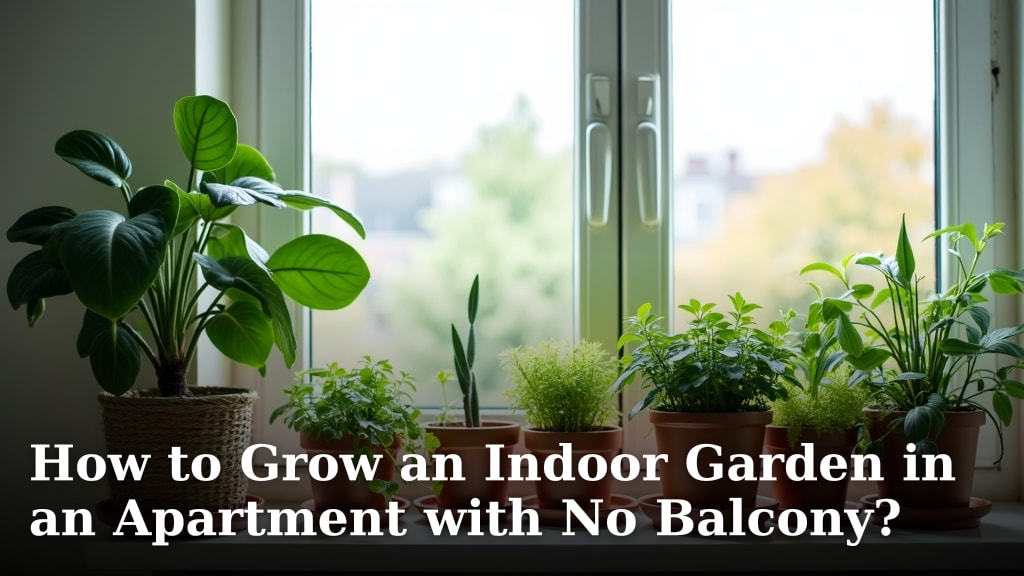
Creating Your Indoor Oasis Without a Balcony
You can absolutely create a thriving indoor garden, even in a small apartment. It’s all about making smart choices for your space.
We’ll walk you through selecting the right plants and setting up your growing area. Get ready to enjoy fresh greenery year-round!
Choosing the Right Plants for Apartment Living
The first step to a successful indoor garden is choosing plants that actually like being indoors. Not all plants are created equal when it comes to apartment life.
Think about the conditions in your home. Do you have bright windows or mostly low light? This will help guide your plant choices.
Best Herbs for Indoor Gardens
Herbs are fantastic for indoor growing. They don’t take up much space and you get to enjoy fresh flavors in your cooking. Many herbs love a sunny windowsill.
- Basil: Needs lots of light and consistent moisture. Pinch back regularly for bushier growth.
- Mint: Very easy to grow, but can spread quickly. Consider planting it alone in a pot.
- Chives: A forgiving herb that grows well from seed or a starter plant.
- Parsley: Prefers bright, indirect light. Keep its soil consistently damp.
- Thyme: Tolerates drier soil and likes plenty of sunlight.
Harvest herbs often. This encourages new growth and keeps your plants healthy.
Vegetables That Thrive Indoors
Yes, you can grow some vegetables indoors! It might not be a huge harvest, but fresh produce from your own home is rewarding.
Look for compact varieties or those that don’t need extensive pollination.
- Lettuce & Spinach: Leafy greens are often successful. They don’t need deep pots and grow relatively quickly.
- Radishes: These root vegetables mature fast. Ensure they have enough depth in their container.
- Scallions/Green Onions: You can even regrow these from scraps in a glass of water!
- Dwarf Tomatoes: “Micro-Tom” or “Tiny Tim” varieties are bred for small spaces. They’ll need a very sunny spot.
Many experts say that good drainage and consistent light are key for indoor vegetable success (University of Maryland Extension).
Easy-Care Houseplants for Greenery
Beyond edibles, houseplants bring life and clean air to your apartment. Many are incredibly forgiving if you’re new to gardening.
Consider plants that tolerate a range of light conditions. This flexibility is a huge plus in apartment living.
- Snake Plant (Sansevieria): Almost indestructible. Tolerates low light and infrequent watering.
- Pothos (Epipremnum aureum): Trailing vines that are easy to care for. They do well in hanging baskets.
- Spider Plant (Chlorophytum comosum): Produces “spiderettes” you can easily propagate. Great for air purification.
- ZZ Plant (Zamioculcas zamiifolia): Known for its ability to thrive on neglect. Prefers low to moderate light.
These plants are not just pretty; they can also improve your indoor air quality (NASA Clean Air Study).
Finding the Best Light Sources in Your Apartment
Light is the most important ingredient for healthy plants. Without enough light, your plants will stretch and look sickly.
Even if you don’t have a huge, sunny window, you still have options. Let’s explore how to get your plants the light they need.
Maximizing Natural Light
Observe your apartment throughout the day. Where does the sun hit? South-facing windows typically offer the brightest, longest exposure.
East-facing windows get morning sun, which is gentle and good for many plants. West-facing windows get intense afternoon sun, which can be too harsh for some.
- Clean your windows: Dust and grime can block a surprising amount of light.
- Use reflective surfaces: A mirror or light-colored wall near your plants can bounce light back to them.
- Rotate your plants: Turn them every few days so all sides get light exposure.
Even a “bright” room can be darker than a plant needs, especially in winter. You might need to supplement.
The Power of Grow Lights
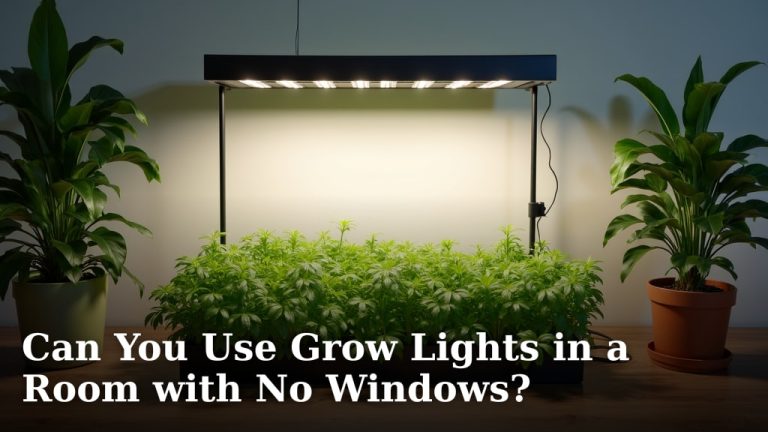
For many indoor gardeners, especially in apartments, grow lights are a game-changer. They provide the full spectrum of light your plants crave.
Don’t be intimidated by the idea of grow lights. Modern options are compact, energy-efficient, and easy to use.
| Grow Light Type | Best For | Pros | Cons |
|---|---|---|---|
| LED Grow Lights | All plants, especially starting seeds and leafy greens | Energy-efficient, low heat, long lifespan, adjustable spectrum | Higher initial cost |
| Fluorescent Lights (T5 or T8) | Seedlings, herbs, low-light plants | Affordable, good for shorter plants, decent light output | Less efficient than LED, bulbs need replacing, some heat |
Position your grow lights close to your plants, usually within 6-12 inches. Check the manufacturer’s recommendations.
Many indoor gardeners use a timer for their grow lights. Providing 12-16 hours of light per day is common for most plants.
Smart Solutions for Small Spaces
No balcony? No problem! Apartment gardening is all about getting creative with the space you have. Think up, not out.
You’d be amazed at how much you can grow in a small footprint. Vertical gardening is your best friend here.
Vertical Gardening Systems
Why use just horizontal space when you can go vertical? Vertical gardening allows you to stack plants, maximizing your growing area.
There are many options available, from simple shelving to more elaborate wall-mounted planters.
- Tiered Shelving Units: Simple metal or plastic shelves can hold multiple pots. Add grow lights to each shelf for optimal growth.
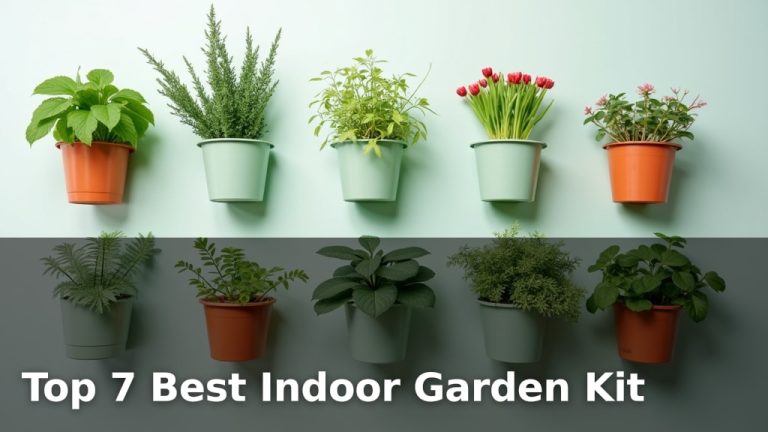
- Wall-Mounted Planters: Pockets or individual pots that attach directly to a wall. Great for herbs or succulents.
- Stackable Planters: Pots designed to sit on top of each other, forming a tower of plants.
Make sure your vertical setup is stable, especially if you have pets or small children.
Window Boxes and Shelves
Your windowsills are prime real estate for plants. But you can often expand on that space.
Window boxes that sit on the sill or attach to the frame can hold several small plants. Suction cup shelves can also be a neat trick, though they work best for lighter plants.
We found that clear acrylic shelves let light pass through, which is great for plants on lower shelves. Always check weight limits!
Hanging Plants and Macrame
Don’t forget about your ceiling! Hanging plants add a beautiful touch and free up floor or shelf space.
Macrame plant hangers are popular and stylish. Just be sure to use sturdy hooks securely installed into ceiling joists or with appropriate anchors.
Choose trailing plants like Pothos, Spider Plants, or String of Pearls for an elegant look. Remember, hanging plants can dry out faster, so check their soil regularly.
Essential Care Tips for Thriving Indoor Plants
You’ve got your plants and your setup. Now, how do you keep them alive and well? It’s easier than you might think.
Consistency and observation are key. Your plants will tell you what they need if you pay attention.
Watering Your Indoor Garden Correctly
Overwatering is the number one killer of indoor plants. It suffocates the roots. Underwatering is easier to fix.
Always check the soil before watering. Stick your finger about an inch or two into the soil. If it feels dry, it’s probably time to water.
- Water thoroughly: Water until you see it drain from the bottom of the pot.
- Empty saucers: Don’t let your plants sit in standing water. This leads to root rot.
- Consider soil type: Some potting mixes retain more moisture than others.
Different plants have different water needs. A general rule is to water when the top inch of soil feels dry (USDA).
Nutrients and Fertilization
Your indoor plants rely on you for all their nutrients. Potting soil initially contains some, but it gets depleted over time.
During the growing season (spring and summer), your plants will benefit from regular feeding. Reduce or stop fertilizing in fall and winter when growth slows.
Look for an all-purpose liquid fertilizer designed for houseplants. Follow the instructions on the package carefully. Over-fertilizing can burn roots.
Humidity and Air Circulation
Apartment air can be very dry, especially with heating or air conditioning running. Many tropical plants prefer higher humidity.
- Misting: Lightly misting leaves can provide temporary humidity.
- Pebble trays: A tray filled with pebbles and water under your plant can increase local humidity as the water evaporates.
- Humidifier: For serious plant enthusiasts, a small room humidifier can make a big difference.
Good air circulation helps prevent fungal diseases. A gentle fan can be helpful, but avoid direct drafts.
Your Indoor Gardening Checklist
Ready to get started? Here’s a quick checklist to help you launch your indoor garden:
- Assess your apartment’s light conditions.
- Choose plants suitable for indoor growth and your light.
- Select appropriate pots with drainage holes.
- Consider vertical solutions like shelves or hanging planters.
- Invest in a grow light and timer if natural light is insufficient.
- Gather essential tools: small trowel, watering can, pruners.
- Plan a watering schedule and stick to it.
Remember, gardening is a journey, not a destination. You’ll learn as you go, and your apartment will feel much more vibrant with a touch of green.
Conclusion
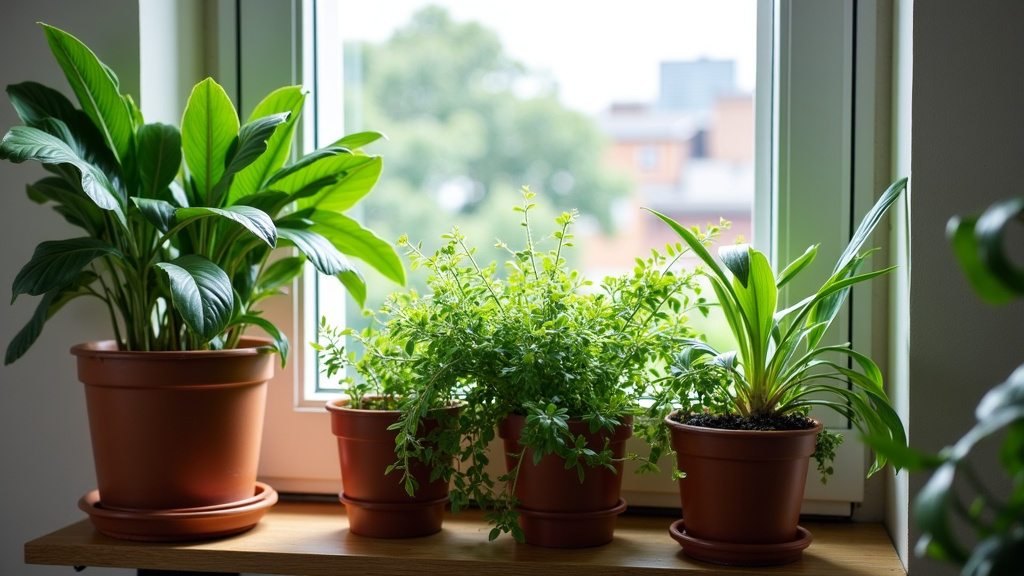
You now have all the tools and knowledge to successfully grow an indoor garden, even without a balcony. We found that a small apartment is no barrier to green living. By choosing the right plants and using smart space solutions, you can enjoy fresh herbs, vibrant foliage, and even homegrown vegetables.
Remember, your green thumb develops with practice. Don’t be afraid to experiment with different plants and setups. Start small, observe your plants, and adjust as needed. Your apartment will soon become a more vibrant, healthier, and happier place with your personal indoor oasis. What will you grow first?
Frequently Asked Questions
Can all plants grow indoors without natural light?
No, not all plants can thrive without natural light. While some low-light plants do well, most require some form of light to grow. If you lack bright windows, grow lights are an excellent solution to provide the necessary spectrum for plant growth.
How do I stop my indoor plants from attracting pests?
Good air circulation and not overwatering are key to preventing pests. Regularly inspect your plants for early signs of trouble. If you spot pests, isolate the plant and treat it immediately with insecticidal soap or neem oil to stop the spread.
What is the easiest indoor plant to grow for beginners?
For beginners, we often recommend a Snake Plant (Sansevieria) or a ZZ Plant (Zamioculcas zamiifolia). They are incredibly forgiving, tolerate infrequent watering, and can handle a range of light conditions, making them very low maintenance.
How often should I repot my apartment plants?
You typically need to repot your plants every 1-2 years, or when they become root-bound. Signs include roots growing out of drainage holes or stunted growth. Choose a pot that is only slightly larger than the old one to avoid overwatering issues.
Can I grow fruits like strawberries indoors?
Yes, you can grow certain fruits like dwarf strawberries indoors, but they require very specific conditions. They need intense light (often from grow lights) and consistent temperatures. You might also need to hand-pollinate them for fruit production.