Can You Use Grow Lights in a Room with No Windows?
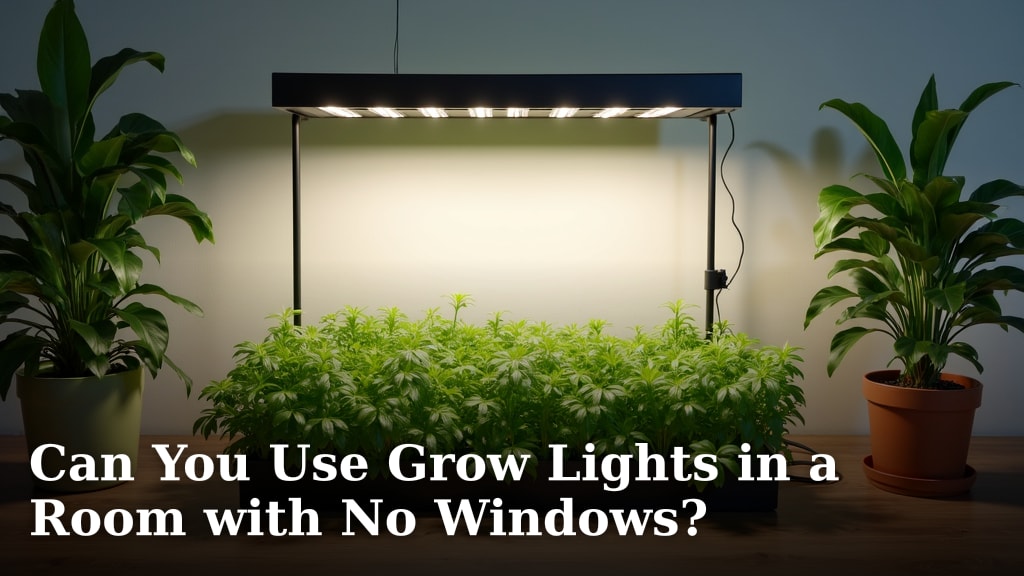
Yes, you absolutely can use grow lights in a room with no windows to successfully grow plants. We found that with the right setup, you can create an ideal environment for your plants, even without natural sunlight.
This means your dream of an indoor garden isn’t limited by window space. You can turn a basement, a closet, or any windowless room into a thriving plant haven. It all comes down to choosing the correct grow lights and managing their use.
- Grow lights replace natural sunlight effectively.
- You need to select the right type of light for your plants.
- Consider light intensity and duration.
- Ventilation and temperature are still important.
Let’s walk through everything you need to know about setting up your windowless grow room for success.
Setting Up Your Grow Space Without Natural Light
You can absolutely create a flourishing garden in a room without windows. It just requires a careful approach to replicate natural conditions.
Think of yourself as the sun, rain, and breeze all rolled into one. You’ll be providing everything your plants need to thrive. It’s a fun challenge, and the results can be truly rewarding.
Understanding Light: The Heart of Your Indoor Garden
Light is critical for plant growth. Without it, photosynthesis can’t happen. In a windowless room, your grow lights become the sole source of this vital energy.
Not all light is created equal for plants. They respond best to specific wavelengths, often seen as different colors to our eyes. This is why specialized grow lights are so effective.
The Spectrum Plants Crave
Plants primarily use red and blue light for photosynthesis. Red light helps with flowering and fruiting, while blue light encourages leafy growth and strong stems (National Center for Biotechnology Information).
Full-spectrum lights mimic the sun, offering a balanced mix of these and other colors. They are a great all-around choice for most plants through all their growth stages.
Light Intensity: How Bright is Bright Enough?
Intensity refers to the strength of the light. Too little, and plants stretch and become weak. Too much, and they can get stressed or even burned.
Different plants have different light intensity needs. A sun-loving tomato plant needs far more intense light than a shade-loving fern. Always research your specific plant’s requirements.
You might measure light intensity in lumens, lux, or PPFD (Photosynthetic Photon Flux Density). PPFD is the most accurate for plants, measuring the amount of photosynthetically active radiation.
Choosing the Right Grow Lights for Your Windowless Room
Selecting the correct grow lights is the most important decision for your windowless garden. There are several popular types, each with pros and cons.
Consider your budget, the type of plants you’re growing, and the size of your space. What works for a small herb garden might not be enough for a room full of fruiting plants.
LED Grow Lights: The Modern Choice
LEDs (Light Emitting Diodes) are incredibly popular for indoor gardening. We found that they are energy-efficient and produce very little heat, which is a huge plus in a confined space.
They come in a wide range of spectrums, including full-spectrum and those tailored for specific growth stages. LEDs also have a long lifespan, saving you money on replacements.
While the initial cost can be higher, their efficiency often makes them more economical over time. They are a fantastic choice for almost any indoor grower.
Fluorescent Lights: Good for Starters and Low-Light Plants
Fluorescent lights, like T5 or T8 bulbs, are a more budget-friendly option. They are good for starting seedlings, growing leafy greens, or for plants with lower light requirements.
These lights are not as intense as LEDs or HIDs but they produce less heat. They are a great entry point for new indoor gardeners or for specific plant types.
You’ll often find them labeled as “cool white” or “daylight” for vegetative growth, or “warm white” for flowering. A mix of both can work well.
HID (High-Intensity Discharge) Lights: Power for Serious Growers
HID lights, including Metal Halide (MH) and High-Pressure Sodium (HPS) bulbs, are very powerful. They deliver high light intensity, making them suitable for flowering and fruiting plants that need a lot of light.
MH bulbs are generally used for vegetative growth, providing a bluer spectrum. HPS bulbs emit a redder spectrum, ideal for the flowering stage.
The main downsides are their high heat output and higher energy consumption. You’ll need good ventilation and possibly cooling systems to manage the heat. These are usually for more experienced growers with larger setups.
| Light Type | Pros | Cons | Best For |
|---|---|---|---|
| LED | Energy efficient, low heat, long lifespan, full spectrum options | Higher initial cost | All plant stages, most plant types |
| Fluorescent (T5/T8) | Affordable, low heat, good for seedlings | Lower intensity, less powerful for flowering | Seedlings, leafy greens, low-light plants |
| HID (MH/HPS) | Very high intensity, powerful for flowering/fruiting | High heat output, higher energy use, shorter lifespan | Large flowering/fruiting plants, experienced growers |
Managing Light Duration and Cycles
Plants need periods of light and darkness. Just like us, they need to “sleep” (Cleveland Clinic). This cycle is known as the photoperiod.
Getting the photoperiod right is crucial for healthy growth and development. It signals to the plant when to grow leaves, when to flower, and when to fruit.
The Importance of a Consistent Schedule
Most plants thrive on a consistent light schedule. An 18 hours on, 6 hours off cycle is common for vegetative growth. For flowering, you might switch to 12 hours on, 12 hours off.
Use a timer to automate your light cycles. This ensures consistency and takes the guesswork out of turning lights on and off every day. Set it and forget it!
Darkness: Just as Important as Light
During the dark period, plants carry out essential processes like respiration and hormone regulation. These processes are just as vital as photosynthesis.
Ensure your windowless room is truly dark during these cycles. Any light leaks, even small ones, can stress plants and disrupt their growth patterns.
Beyond Light: Other Environmental Factors in a Windowless Room
While light is the star of the show, other environmental factors play critical supporting roles. You’re creating an entire ecosystem, after all.
Don’t neglect temperature, humidity, and air circulation. These elements work together to ensure your plants are happy and healthy.
Temperature Control: Keeping Things Comfortable
Grow lights, especially HIDs, can generate a lot of heat. You’ll need a way to manage the temperature in your windowless room to keep it in the ideal range for your plants.
Most plants prefer temperatures between 65-80°F (18-27°C) during their “day” cycle. Using fans or even a small air conditioner might be necessary.
Air Circulation: Letting Your Plants Breathe
Stagnant air is a breeding ground for pests and diseases. It also makes it harder for plants to “breathe” and exchange gases.
Install a small oscillating fan to gently move air around your plants. This helps strengthen stems, prevents hot spots, and reduces humidity buildup around leaves.
Humidity Levels: Finding the Right Balance
Humidity needs vary by plant. Some tropical plants love high humidity, while desert plants prefer drier air. Research your plant’s specific needs.
You might need a humidifier or a dehumidifier to maintain optimal levels. Good air circulation also helps manage humidity.
Your Checklist for a Thriving Windowless Grow Room
Setting up your indoor garden without natural light can seem like a lot, but breaking it down into steps makes it manageable. Here’s a quick checklist to guide you:
- Choose the right grow lights: Match them to your plants and budget.
- Install a reliable timer: For consistent light cycles.
- Monitor temperature: Use thermometers and consider cooling options.
- Ensure good air circulation: A small fan makes a big difference.
- Manage humidity: Adjust as needed for your specific plants.
- Regularly inspect your plants: Catch any issues early.
With careful planning and attention to detail, your windowless room can become a sanctuary for vibrant, thriving plants. Happy growing!
Conclusion
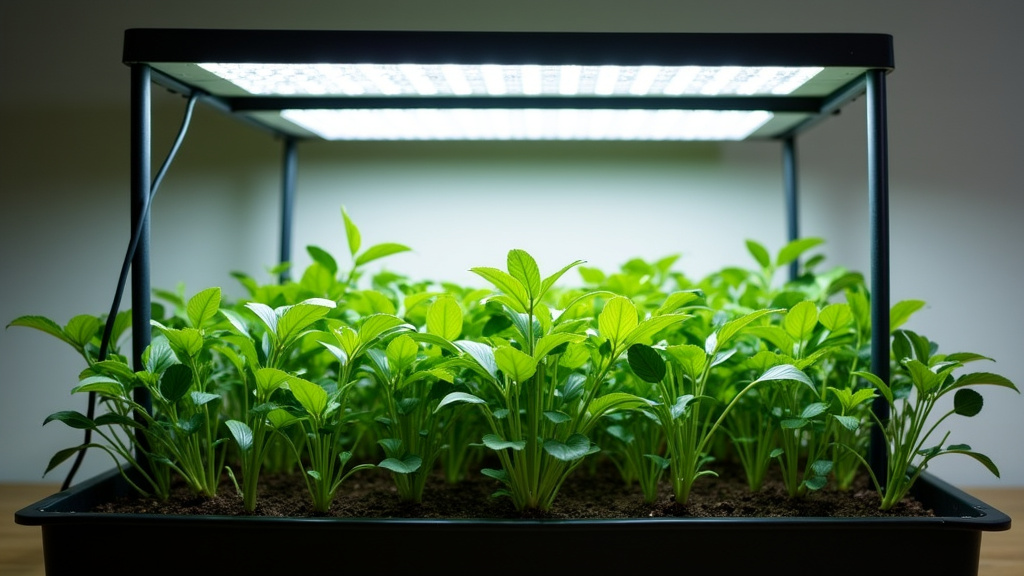
You now know that a windowless room is no barrier to growing beautiful, healthy plants. By carefully selecting the right grow lights, understanding their spectrum and intensity, and managing crucial environmental factors, you can create a thriving indoor garden.
We found that attention to detail in areas like light cycles, temperature, and airflow makes all the difference. Your dedication to replicating natural conditions will pay off with vibrant foliage and bountiful harvests.
Ready to get started? Your next step is to research your chosen plants’ specific needs and then select the grow lights and equipment that best match your budget and goals. Happy growing!
Frequently Asked Questions
How much electricity do grow lights use in a windowless room?
The electricity consumption depends on the type and wattage of your lights. LEDs are generally the most energy-efficient, while HID lights use more power. Consider your energy costs when choosing your setup.
Do I need special paint for a windowless grow room?
While not strictly necessary, painting walls white or using reflective material like Mylar can significantly increase light efficiency. This helps bounce light back to your plants, making the most of your grow lights.
Can I use regular household lights instead of grow lights?
Regular household lights, such as incandescent or standard fluorescent bulbs, do not provide the full spectrum or intensity plants need for healthy growth. They often lead to leggy, unhealthy plants. Specialized grow lights are essential.
How do I prevent mold and pests in a closed-off grow space?
Good air circulation from a fan is key to preventing mold. For pests, regular plant inspection and maintaining a clean growing environment are your best defenses. Consider beneficial insects for organic pest control if needed.
Is it expensive to set up a grow room in a windowless space?
The initial cost can vary widely based on the scale of your garden and the type of grow lights you choose. While some setups can be costly, budget-friendly options exist, especially with fluorescent or smaller LED lights for beginners.