What Vegetables Can You Grow Indoors Year Round?
Yes, you absolutely can grow many vegetables indoors year round, no matter the season outside. With the right setup, you can enjoy fresh produce even in winter. You just need to choose the right plants and provide them with what they need.
Thinking about fresh salads in January? It’s totally possible! We found that growing vegetables indoors offers freshness and convenience. It’s a great way to have organic options right in your kitchen. Plus, it can be a really rewarding hobby.
- Discover which vegetables thrive indoors.
- Learn about essential indoor growing conditions.
- Understand basic setup requirements.
- Find out how to keep your indoor garden flourishing.
Ready to turn your home into a year-round veggie patch? Let’s walk through everything you need to know to start your indoor garden today.
Wonderful Vegetables You Can Grow Indoors All Year
You’re probably wondering which vegetables are best suited for indoor life. We found that leafy greens and herbs are often the easiest to start with. They don’t need a lot of space. Many root vegetables and some fruits can also thrive indoors with the right care.
The key is picking plants that don’t need a huge amount of light or a ton of vertical space. Think about what you use most often in your kitchen. Imagine just snipping fresh herbs or lettuce whenever you need them!
Leafy Greens for Fresh Salads
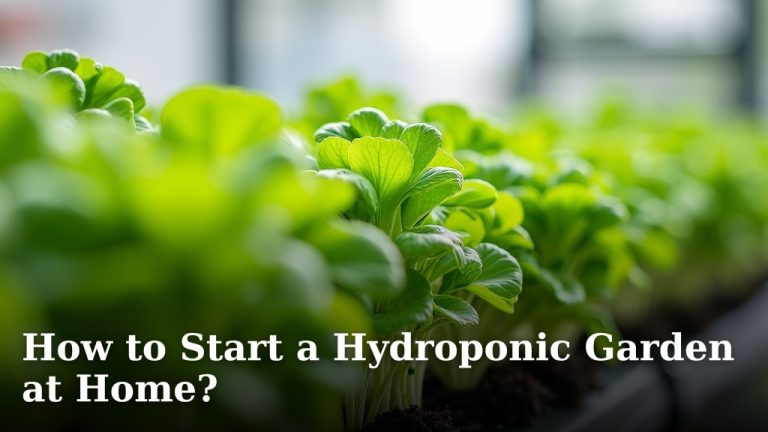
Leafy greens are super stars for indoor gardening. They grow quickly. You can often harvest them multiple times.
Lettuce, Spinach, and Arugula
These are excellent choices. They like cooler indoor temperatures. You can grow them in shallow containers on a windowsill. We found that loose-leaf varieties are best (Cornell University Extension). You can pick outer leaves as needed. This allows the plant to keep producing more.
- Lettuce: Romaine, butterhead, and loose-leaf varieties are ideal.
- Spinach: Loves a slightly shadier spot indoors.
- Arugula: Grows fast and offers a peppery kick to your meals.
Kale and Swiss Chard
These heartier greens also do well indoors. They might need a slightly larger pot. Harvest the outer leaves first. They provide continuous fresh greens for soups and stir-fries.
Herbs: Your Indoor Flavor Factory
Fresh herbs can elevate any dish. Growing them indoors means you always have them on hand. They often smell wonderful too, adding to your home’s atmosphere.
Basil and Mint
These popular herbs are very happy indoors. Basil loves a sunny spot. Mint can tolerate a bit less light and spreads easily. Just be sure to give mint its own pot. It can quickly take over.
Chives, Parsley, and Cilantro
These are also great for indoor growing. Chives are like tiny onions, easy to snip and use. Parsley and cilantro appreciate bright, indirect light. Remember that cilantro can sometimes “bolt” (go to seed) quickly if it gets too warm. Keep it in a slightly cooler spot.
Root Vegetables That Don’t Mind the Indoors
You might not think of root vegetables for indoor growing. But some smaller varieties are perfect. They don’t need a lot of deep soil.
Radishes and Carrots (Mini Varieties)
Smaller radishes grow incredibly fast. You can harvest them in just a few weeks. Look for “French Breakfast” or “Cherry Belle” varieties. For carrots, choose “Thumbelina” or “Paris Market” types. These are round or very short. They fit well in pots 6-8 inches deep.
Green Onions and Scallions
These are super easy. You can even regrow them from kitchen scraps. Just place the white ends of store-bought scallions in a glass of water. New green shoots will appear in days. Once they have roots, plant them in soil. You can snip the green tops as you need them.
Other Fun Vegetables for Your Indoor Garden
Beyond greens and herbs, a few other options bring variety. These might need a bit more attention or light.
Dwarf Tomatoes and Peppers
Yes, you can grow tomatoes and peppers indoors! Look for “dwarf” or “container” varieties. They stay small and compact. They will need a very sunny window or grow lights. You might also need to hand-pollinate the flowers using a small brush to get fruit. This is a fun science project!
Mushrooms (Grow Kits)
While not technically a vegetable, mushrooms are a fantastic indoor crop. You can buy ready-to-grow kits. These kits come with everything you need. You just add water and watch them grow. Oyster mushrooms are a common and easy type to start with.
Setting Up Your Indoor Garden for Success
Growing indoors isn’t just about picking the right plants. It’s also about giving them the right environment. We found that a few key elements make all the difference.
Light: The Sunshine Inside
Light is probably the most crucial factor indoors. Most vegetables need at least 6-8 hours of direct light daily (University of Illinois Extension). A south-facing window is often best. But even that might not be enough in winter.
Why Grow Lights Are Your Best Friend
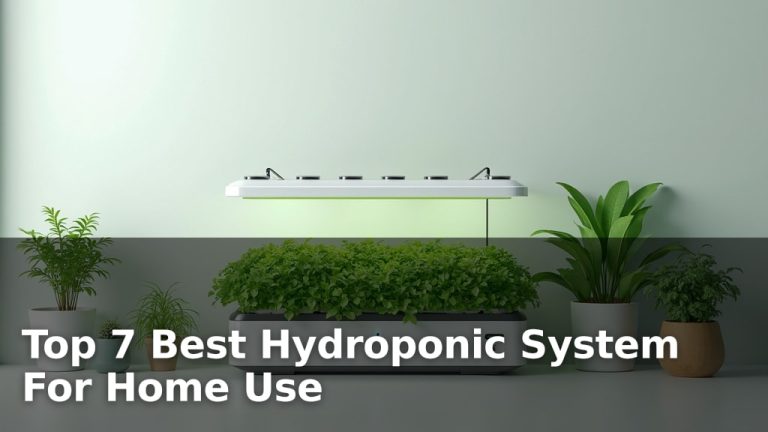
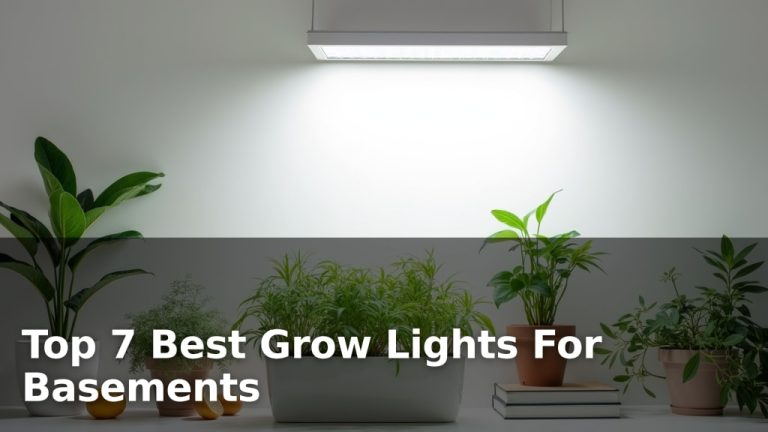
For consistent year-round growth, grow lights are almost essential. LED grow lights are energy-efficient and don’t get too hot. They come in various sizes and strengths. Place them a few inches above your plants. Adjust them as your plants grow.
We found that full-spectrum lights work best. They mimic natural sunlight. Your plants will think they are outside on a perfect summer day!
Containers and Potting Mix: A Cozy Home
The right container and soil make a big difference. Don’t just grab any old dirt from outside. Indoor plants need special care.
Choosing the Right Pots
Most vegetables need pots with drainage holes. This prevents waterlogging, which can kill roots. Terra cotta pots look nice and allow soil to breathe. Plastic pots hold moisture longer. The size of the pot depends on the plant. Leafy greens can be happy in shallow trays. Root vegetables need deeper pots.
The Importance of Good Potting Mix
Use a high-quality potting mix designed for containers. It’s lighter than garden soil. It also drains well but still holds moisture and nutrients. Garden soil can compact and bring pests indoors. So, always opt for a sterile potting mix.
Watering and Feeding: Nurturing Your Plants
Just like people, plants need food and drink. But not too much!
Watering Smartly
Don’t overwater. This is a common mistake. Feel the top inch of soil. If it’s dry, then it’s time to water. Water until you see it draining from the bottom of the pot. This ensures the roots get a good drink. Remember, different plants have different water needs.
Nutrients for Growth
Potting mixes usually have some nutrients. But after a few weeks, your plants will use them up. We found that a liquid fertilizer designed for vegetables works well. Use it at half strength every 2-4 weeks. Follow the directions on the package. Your plants will thank you with lush growth.
Keeping Your Indoor Garden Thriving: A Quick Checklist
Want to make sure your indoor garden keeps producing? Here’s a simple checklist to follow. These quick tips will help keep things on track.
- Consistent Light: Provide 6-8 hours of light daily, use grow lights if needed.
- Proper Watering: Check soil moisture regularly; water when the top inch is dry.
- Fertilize Regularly: Feed your plants with a diluted liquid fertilizer every few weeks.
- Good Air Circulation: A small fan can help strengthen stems and prevent mold.
- Monitor for Pests: Inspect your plants weekly for any tiny unwanted visitors.
- Harvest Often: Picking leaves or produce encourages more growth.
Troubleshooting Common Indoor Growing Problems
Even experienced gardeners face challenges. Don’t worry if things don’t go perfectly at first. It’s all part of the learning process.
Yellowing Leaves
If your plant’s leaves are turning yellow, it’s often a sign of too much or too little water. It can also mean a nutrient deficiency. Check your watering schedule first. Then, consider if it’s time to fertilize.
Leggy Plants (Stretched Out)
Plants that look tall and spindly are usually not getting enough light. They are stretching to find a light source. Move them closer to a window or adjust your grow lights. This is a common issue without sufficient light exposure.
Pests Indoors
Pests can sometimes sneak into your indoor garden. Fungus gnats are common. They are tiny black flies that fly around your plants. They like overly wet soil. Try letting the soil dry out more between waterings. For other pests like aphids, a simple spray of soapy water can often help.
| Vegetable Type | Best Light Conditions | Container Depth Needed (approx.) | Growth Time (approx.) |
|---|---|---|---|
| Leafy Greens (Lettuce, Spinach) | Bright, indirect to direct | 4-6 inches | 3-6 weeks |
| Herbs (Basil, Mint) | Bright, direct | 6-8 inches | 4-8 weeks |
| Radishes (Small) | Bright, direct | 6-8 inches | 3-4 weeks |
| Dwarf Tomatoes | Very bright, direct (grow lights recommended) | 8-10 inches | 10-14 weeks |
| Green Onions | Bright, indirect | 4-6 inches | 1-2 weeks (for regrowth) |
Conclusion
You now have all the tools to start your own indoor vegetable garden. We found that with some planning and the right care, you can enjoy fresh produce all year long. From crisp leafy greens to flavorful herbs and even mini root vegetables, your options are plentiful.
Remember that consistent light, proper watering, and good soil are your allies. Don’t be afraid to experiment and learn along the way. Take the next step and pick one or two easy-to-grow vegetables like lettuce or herbs. Start small and watch your indoor garden flourish!
Frequently Asked Questions
How often do I need to water indoor vegetables?
You should check your indoor plants every 1-2 days. Stick your finger about an inch into the soil. If it feels dry at that depth, it’s time to water. This helps prevent both overwatering and underwatering.
Can I use regular garden soil for my indoor plants?
No, we recommend against using regular garden soil indoors. Garden soil can compact too much in pots. It often contains pests, weed seeds, and diseases that you don’t want in your home. Always opt for a sterile, lightweight potting mix designed for containers.
What’s the best way to deal with fruit flies or gnats around indoor plants?
Fungus gnats often appear when the soil stays too wet. Try letting the top inch of soil dry out completely between waterings. You can also use yellow sticky traps to catch adult gnats. A thin layer of sand on top of the soil can also deter them from laying eggs.
Do all indoor vegetables need grow lights, or is a sunny window enough?
While some low-light plants like spinach or mint can do okay in a very sunny south-facing window, most vegetables need more light than natural indoor light can provide year-round. For consistent growth and higher yields, especially for fruiting plants like tomatoes, grow lights are highly recommended.
How do I know when my indoor vegetables are ready to harvest?
For leafy greens, you can usually start harvesting outer leaves once the plant has a few inches of growth. For herbs, snip off what you need, encouraging bushier growth. Root vegetables are ready when the tops are visible and the roots reach the desired size. Always refer to specific plant guidelines for best results.