How to Grow Herbs Hydroponically Indoors?
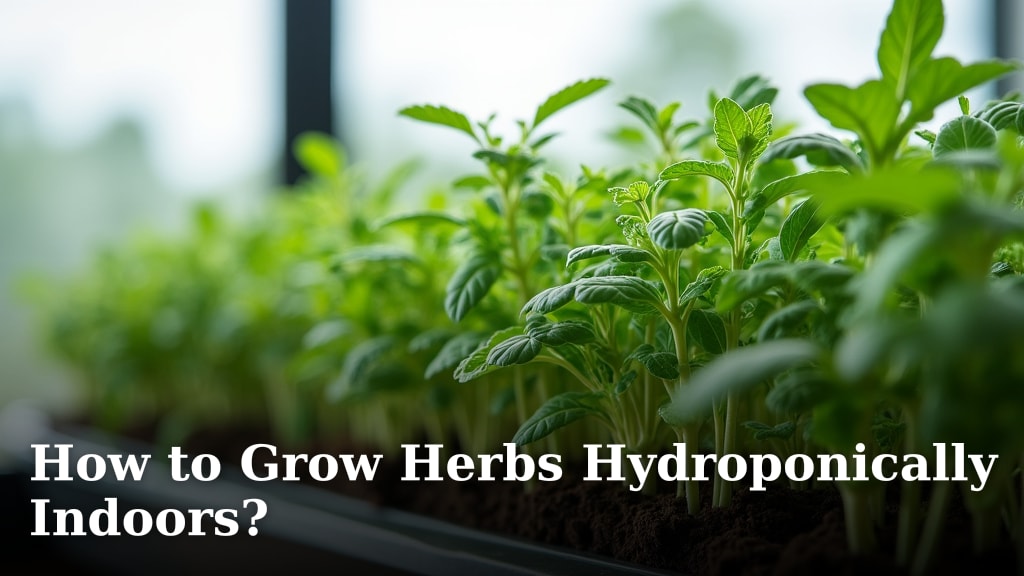
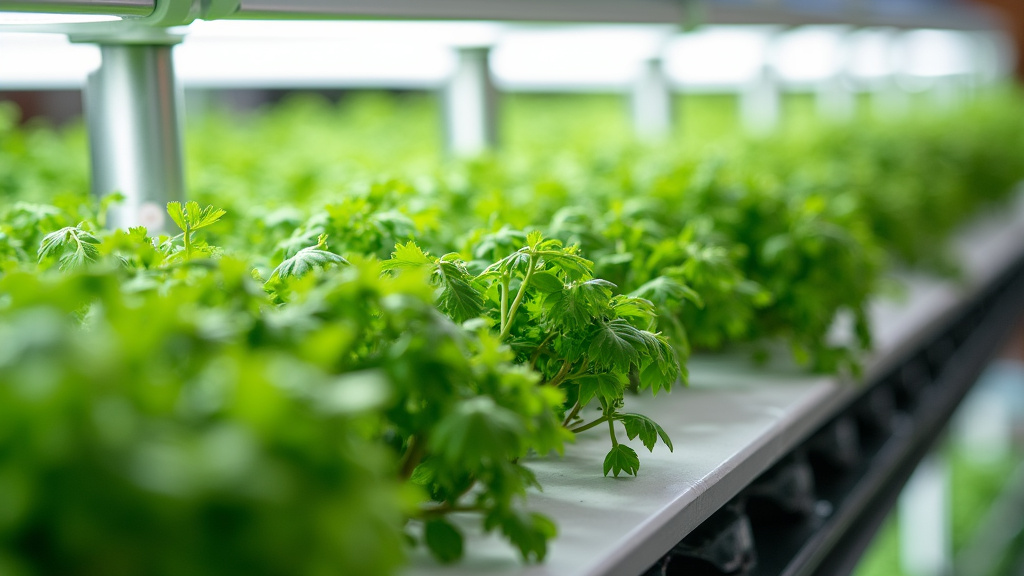
To grow herbs hydroponically indoors, you primarily need a hydroponic system, nutrient solutions, adequate light, and of course, your chosen herbs. This method allows you to cultivate fresh herbs without soil, right in your home, ensuring a steady supply.
You can enjoy basil, mint, chives, and more, all year long. This technique is perfect for those with limited outdoor space or anyone wanting to embrace indoor gardening. Many find it a cleaner and often more efficient way to grow plants.
- Choose your hydroponic system.
- Prepare your nutrient solution.
- Provide proper lighting.
- Select your favorite herbs.
- Monitor water and pH levels.
Let’s walk through exactly how this works step by step. We’ll help you get your indoor herb garden thriving in no time.
Getting Started with Indoor Hydroponic Herbs
Are you ready to grow your own fresh herbs? It’s easier than you think. We’ll show you how to set up your system and get those herbs thriving.
Choosing Your Hydroponic System
The first step is picking the right system. There are several types, each with its own benefits. Think about your space, budget, and how hands-on you want to be.
Deep Water Culture (DWC)
The DWC system is popular for beginners. Your plants sit in net pots with their roots directly submerged in a nutrient solution. An air pump and air stone keep the solution oxygenated.
- It’s relatively simple to set up.
- Maintenance involves checking water levels and pH.
- Great for leafy greens and many herbs.
Wick Systems
Wick systems are incredibly basic and use a passive approach. A wick draws nutrient solution from a reservoir up to the growing medium around your plant roots. It’s like a self-watering planter.
- No pumps or electricity needed.
- Very low maintenance.
- Best for smaller herbs with lower water demands.
Nutrient Film Technique (NFT)
With NFT, a thin film of nutrient solution flows over the roots of your plants. This constant flow provides both water and nutrients. The roots also get plenty of air.
- Very efficient use of water and nutrients.
- Good for fast-growing herbs.
- Requires a pump and a slight slope for drainage.
Here’s a quick comparison to help you decide:
| System Type | Complexity | Ideal for | Pros |
|---|---|---|---|
| Deep Water Culture (DWC) | Low | Basil, Mint, Lettuce | Simple, good growth |
| Wick System | Very Low | Small herbs, e.g., Thyme | No electricity, passive |
| Nutrient Film Technique (NFT) | Medium | Fast-growing herbs | Efficient, quick results |
Essential Components for Your Hydroponic Setup
Beyond the system itself, you’ll need a few other key items. Think of these as your hydroponic toolkit. Having them ready makes the process smooth.
Nutrient Solutions
Since there’s no soil, your plants get all their food from a nutrient solution. You’ll find these solutions specifically formulated for hydroponics. They contain all the macro and micronutrients your herbs need (National Institute of Environmental Health Sciences).
- Look for solutions designed for leafy greens or herbs.
- They usually come in two or three parts to be mixed.
- Always follow the manufacturer’s mixing instructions carefully.
Grow Lights
Indoor herbs need a strong light source. Natural window light often isn’t enough, especially in winter. Grow lights mimic the sun, providing the right spectrum for plant growth.
- LED grow lights are energy-efficient and popular.
- Fluorescent lights (T5 or T8) also work well for herbs.
- Aim for 12-16 hours of light per day for most herbs.
Growing Media
This isn’t soil, but it’s what supports your plant and helps retain moisture. Common choices include rockwool, coco coir, or hydroton (clay pebbles).
- Rockwool cubes are excellent for starting seeds.
- Coco coir holds moisture well.
- Hydroton offers good aeration for roots.
pH Testing Kit
The pH of your nutrient solution is critical. It affects how well your plants can absorb nutrients. Most herbs prefer a pH between 5.5 and 6.5 (University of California, Agriculture and Natural Resources).
- Use a liquid test kit or a digital pH meter.
- You’ll need “pH Up” and “pH Down” solutions to adjust levels.
- Check pH regularly, especially when changing the solution.
Getting Your Herbs Growing Strong
Once you have your system and supplies, it’s time to get planting. Don’t worry, it’s simpler than it sounds, and we’re here to guide you.
Starting Your Herbs
You can start herbs from seeds or purchase small starter plants. Both methods work well in hydroponics. Many find starting from seed very rewarding.
From Seeds
If you’re using seeds, you’ll typically start them in a growing medium like rockwool or coco coir. Place a few seeds in each cube or pod. Keep them moist and warm until they sprout.
- Germination usually takes a few days to a week.
- Once seedlings appear, expose them to light.
- Thin them out to one strong seedling per spot later.
From Cuttings
Some herbs, like mint or basil, can be started from cuttings. Simply place a cutting in water until roots form, then transfer it to your hydroponic system. This method can save you time.
- Choose healthy, non-flowering stems.
- Remove lower leaves before placing in water.
- Look for roots usually within 1-2 weeks.
Transplanting and Maintenance
When your seedlings are a few inches tall and have developed roots, they are ready for the hydroponic system. Handle them gently to avoid shocking the plants.
Placing into the System
Carefully place your growing medium with the seedling into the net pots of your system. Make sure the roots can reach the nutrient solution. For DWC, you want the bottom of the net pot just touching the water.
- Ensure the seedling is stable and upright.
- Avoid submerging the stem in the solution.
- Check your water level immediately after transplanting.
Regular Monitoring Checklist
Consistent care is key to a thriving hydroponic garden. You’re the caretaker, and your herbs will thank you for it.
- Check nutrient solution levels daily.
- Measure and adjust pH every few days.
- Top off with fresh water between full solution changes.
- Change the entire nutrient solution every 1-2 weeks.
- Inspect plants for any signs of pests or disease.
- Prune regularly to encourage bushy growth.
Troubleshooting Common Issues
Sometimes, things don’t go perfectly. It’s okay! Many problems have simple solutions. Think of it as learning your plants’ language.
Yellowing Leaves
If your herb leaves are turning yellow, it often points to a nutrient deficiency or pH imbalance. Check your pH first. Then, ensure your nutrient solution is at the correct strength and has been recently changed. A common reason for yellowing is also lack of iron (Michigan State University Extension).
Algae Growth
Green algae in your reservoir or on your growing media means light is reaching the water. Algae competes with your plants for nutrients. Cover your reservoir and any exposed growing media. Clean your system regularly to remove existing algae.
Stunted Growth
Is your plant not growing as fast as you’d expect? This could be due to insufficient light, incorrect nutrient strength, or an improper pH. Revisit your lighting schedule, double-check your nutrient mixing, and verify your pH readings. Sometimes, the problem is just a bit of patience.
Conclusion
Growing herbs hydroponically indoors brings fresh flavors right to your kitchen, all year long. You’ve seen how simple it can be, from choosing the right system to providing essential light and nutrients. Keeping an eye on pH and nutrient levels ensures your plants thrive, and minor issues like yellowing leaves are often easy to fix. This method gives you complete control over your herbs’ environment, leading to consistent, healthy growth.
Ready to harvest your own fresh basil or mint? Start small with a simple wick or DWC system, follow these steps, and enjoy the rewarding journey of indoor hydroponic gardening. For those just starting, exploring options for the best indoor herb garden can simplify the initial setup.
Frequently Asked Questions
Is hydroponic gardening suitable for all types of herbs?
While most herbs do well in hydroponics, leafy herbs like basil, mint, and cilantro are particularly good choices. Root vegetables or very large, woody herbs might be more challenging due to system size or root requirements, but many gardeners still find success.
How often do I need to change the nutrient solution?
You should aim to change the entire nutrient solution every one to two weeks. This prevents nutrient imbalances and the buildup of algae or pathogens. Top off the reservoir with fresh water between full changes, especially if plants are consuming a lot of water.
Can I use tap water for my hydroponic system?
Yes, you can use tap water, but it’s important to understand its properties. Tap water often contains chlorine and varying mineral levels, which can affect pH and nutrient balance. Letting it sit out for 24 hours can help dissipate chlorine, and always test its pH before adding nutrients.
What is the ideal temperature for growing hydroponic herbs indoors?
Most herbs prefer temperatures between 65°F and 75°F (18°C-24°C). Keeping your grow space within this range will help optimize plant growth and nutrient uptake. Extreme temperatures, hot or cold, can stress your plants and slow their development.
How do I prevent pests in my indoor hydroponic herb garden?
Pest prevention starts with good hygiene. Regularly inspect your plants, keep your growing area clean, and isolate any new plants you introduce. If pests appear, use natural remedies like neem oil or insecticidal soap, and remove affected leaves promptly.