What Is a COB LED Grow Light?
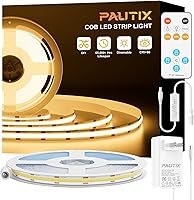
A COB LED grow light uses chip on board construction, where many LED chips sit close together on one board to make a bright, focused light source. It is built to give plants strong, even light for growth and flowering.
On this page (9 sections)
- What does chip on board mean in a grow light?
- How does a COB LED light differ from a regular LED grow light?
- Why do growers choose COB LEDs for indoor plants?
- What spectrum do you need for each growth stage?
- How do you size a COB LED light for your tent?
- What about bulb style COB lights for shelves and houseplants?
- How do you set hanging height and run time?
- What should you check before you buy a COB grow light?
- Which COB LED grow light should you choose?
A COB LED grow light uses chip on board construction, where many LED chips sit close together on one board to make a bright, focused light source. It is built to give plants strong, even light for growth and flowering.
You will often see it written as what is a COB LED, what is COB LED lighting, or what is a COB LED light. They all point to the same idea.
The chips are packed together instead of spread far apart. That package shape shapes how the light spreads, how hot the fixture gets, and how close you can hang it.
What does chip on board mean in a grow light?
Chip on board means many LED chips are mounted on one shared board or substrate. A single COB package can hold several chips working as one light source.
That is different from a light bar or panel where individual diodes are spread across a wide board.
This close packing helps the fixture produce strong output from a small area. It also means heat is concentrated in that small area.
The board, metal body, and cooling design must move that heat away from the chips. If heat builds up, output and lifespan can suffer.
For you, the practical point is coverage. A COB source tends to make a more focused beam.
A spread-out diode board tends to make a wider, softer spread. Neither is right for every tent.
A focused source fits a small canopy well. A wide spread fits a larger, flatter canopy.
How does a COB LED light differ from a regular LED grow light?
A COB LED light differs in how the chips are arranged and how the light spreads. Regular LED grow lights often use many small SMD diodes spread across a panel or bar.
COB lights group chips into one or more larger packages.
Panels and bars can cover a wide rectangle with less falloff at the edges. COB packages can push light deeper into a canopy, but the center may be much brighter than the corners.
Our cob light vs led guide compares the two styles in more detail. Read it if you are torn between a COB fixture and a panel.
Heat is the other trade-off. A tight COB package needs good airflow around the fixture.
A wide panel spreads heat across more surface, so the COB needs careful hanging height so leaves do not burn.
Why do growers choose COB LEDs for indoor plants?
Growers choose COB LEDs for strong output from a compact fixture. That can help with light hungry plants, dense foliage, and flowering stages where you want light to reach lower leaves.
A small fixture that is easy to hang is also a plus in a tight tent.
COB lights also fit the idea of what is a cob led light for plant care. The answer is not just the chip package.
It is the full result: spectrum, intensity, coverage, heat, and controls. A good COB light gives you the right mix for the stage your plants are in.
Full spectrum matters more than the COB label. Plants use blue light for leafy growth and red light for flowering, along with green and other wavelengths.
Modern grow lights blend those colors so you can use one fixture from seed to harvest. Check the spectrum details instead of relying on the chip name alone.
What spectrum do you need for each growth stage?
You need blue-rich light for early growth and red-rich, high output light for flowering. A full spectrum fixture lets you adjust or choose a mode as plants change.
That saves you from buying separate lights for each stage.
Seedlings and early vegetative plants need steady, moderate light. Too much direct light too close can stress small plants.
As plants grow, they can handle higher intensity and longer days. During flowering and fruiting, many growers raise output or add BLOOM mode if the fixture offers it.
The BESTVA DC1000 shows this approach. It blends 3000K and 5000K white LEDs with 460nm blue and 660nm red light.
It has VEG and BLOOM modes, so you can match output to the stage. You still need to set hanging height with care.
How do you size a COB LED light for your tent?
You size a COB LED light by matching its coverage claim to your tent floor and canopy height. A light that fits a 2x2 ft tent will not cover a 4x4 ft tent well, no matter how bright the center looks.
Measure your tent before you buy.
Check three things. First, the tent floor size.
Second, the height from light to plant top. Third, how wide your canopy gets at maturity.
A tall plant in a small tent may need the light higher, which spreads light thinner. A short, wide plant may need the opposite.
The BESTVA DC1000 fits 2x2, 2x3, and 2x4 ft tents, according to BESTVA. That makes it a fit for small to mid size tents, not a large room.
The MARS HYDRO TSL2000 is sized for 4x2 ft in flower and 3x5 ft in veg, so it suits a wider layout.
If you want a broader view of options, our best cob led grow lights page groups fixtures by coverage and use. That can help you compare size claims side by side before you pick one shape.
What about bulb style COB lights for shelves and houseplants?
Bulb style lights suit shelves, single plants, and small spots where a panel is too large. They screw into a standard socket and point light where you aim them.
That makes them easy to add to a bookcase or plant stand.
The SANSI light is a good example of this smaller approach. It is a 36 watt bulb with an E26 base and a 4000K daylight color.
It uses chip on ceramic technology, with chips soldered directly on a ceramic heat sink. That ceramic body helps move heat away and lowers heat radiation toward the plant.
A bulb like this is not a tent light. Its PPFD is listed at 265.58 μmol/s/m² at 1 ft, so distance matters a lot.
At 2 or 3 ft, intensity drops fast. It works best when the bulb sits close to the plant and you can aim it at the leaves you care about most.
That is a fair trade-off. You get simple setup and low heat at the plant.
You give up the wide coverage of a panel or a larger COB fixture.
How do you set hanging height and run time?
You set hanging height and run time by plant stage, light intensity, and how plants respond. Start with the maker guidance for height.
Then watch leaf color, stretch, and growth over several days. Plants tell you more than a spec sheet.
Seedlings usually need a gentler start. Raise the light if leaves curl, bleach, or dry at the edges.
Lower it or raise output if stems stretch and leaves stay small and dark. Most growers run lights 12 to 18 hours for vegetative growth and 12 hours for flowering, but your plant type sets the exact cycle.
COB fixtures can be intense at close range. Keep a safe gap, especially with young plants.
Use the dimmer if your fixture has one. The MARS HYDRO TSL2000 dims from 0 to 100 percent, which helps you ease seedlings in and push output later.
Airflow helps too. A fan that moves air around the fixture and canopy keeps heat from pooling.
Check leaf temperature with your hand at plant level. If the spot feels hot, raise the light or improve airflow.
What should you check before you buy a COB grow light?
You should check coverage size, spectrum, dimming, heat control, and warranty before you buy. The COB name alone does not guarantee a good result for your plants.
Match coverage to your tent first. A light sized for a 2x4 ft tent will leave a 4x4 ft tent short on light at the edges.
Read the flower and veg coverage sizes, not just the headline wattage, since LED wattage does not equal old incandescent watts.
Spectrum is next. Look for a full spectrum mix that covers blue and red, plus white light for natural color.
Dimming helps you tune output by stage.
A 120 degree beam angle, like the BESTVA and MARS HYDRO fixtures have, spreads light in a wide cone that suits tent walls.
Our Top 7 Watt LED Grow Light and Top 7 Watt LED Grow Light pages can help you compare wattage classes. You can also compare brands in our best vivosun led grow lights guide if you want more options in the same size range.
Which COB LED grow light should you choose?
Choose based on size and stage, not chip style alone. For a small tent, a compact COB fixture with VEG and BLOOM modes gives you control from seed to flower.
For a shelf, a bulb style light is simpler and easier to aim.
For a small tent, the BESTVA DC1000 fits 2x2 to 2x4 ft tents with full spectrum and two modes. Its 120 degree beam and sheet metal body suit hanging in a tent, and BESTVA offers a 3 year warranty.
For a wider tent, the MARS HYDRO TSL2000 covers 4x2 ft in flower and 3x5 ft in veg. Its center dense diode layout evens out light between center and sides.
Dimming and daisy chain support make it easy to tune or link more lights in a larger setup.
For a shelf or single plant, the SANSI 36 watt bulb is the simpler pick. Its 4000K daylight looks natural, its ceramic body runs with low heat radiation, and it fits a standard E26 socket.
Keep it close to the plant, since intensity falls with distance.
If you are still deciding between styles, start with our Best LED Grow Light Panel guide. A panel may cover your canopy more evenly than a COB fixture.
Size, spectrum, and height will decide which one serves your plants best.
Frequently asked questions
What is a COB LED grow light?
A COB LED grow light uses chip on board construction, with multiple LED chips mounted close together on a single board or substrate. That layout creates one compact, bright light source.
Growers use it to direct strong light to plants in a tent, shelf, or small indoor space.
What is COB LED lighting used for?
COB LED lighting is used for general lighting and plant growing, where a bright and focused source helps. For plants, the spectrum, intensity, distance, and run time matter as much as the chip layout.
A COB design alone does not tell you if a light suits seedlings or flowering plants.
Are COB LED lights better than regular LED grow lights?
Not always. COB lights can give strong, focused output, while regular LED boards can spread light more evenly across a wider area.
The better choice depends on your tent size, plant stage, and how much coverage you need.
Compare spectrum, coverage, and hanging height, not chip style alone.