COB Light vs LED: Which Should You Choose? (November 2026)
Choose a conventional LED grow light for broad, even coverage; consider a COB light when you want a concentrated light source over a defined area. COB describes how LED chips are arranged, so compare the complete grow light's coverage, output and setup.
On this page (9 sections)
- COB light vs LED: which should you choose?
- What does COB mean in an LED grow light?
- How does a COB array compare with a regular LED panel?
- Which option covers a plant shelf or grow tent better?
- What should you compare before buying?
- Which is easier to use in a home growing setup?
- Are COB lights more efficient than regular LEDs?
- How do you choose between COB and regular LED grow lights?
- FAQ
Choose a conventional LED grow light for broad, even coverage; consider a COB light when you want a concentrated light source over a defined area. In a COB light vs LED comparison, the useful question is how the complete fixture spreads light across your plants.
COB means “chip on board.” It describes how LED chips are grouped together, while “regular LED” can refer to many layouts, including panels with LEDs spread across a wider area.
For growing, compare coverage, mounting distance and the fixture's plant lighting information. A COB strip marketed for room accents is not automatically a grow light.

COB light vs LED: which should you choose?
Choose a conventional LED panel when you need to cover a broad plant area; choose a COB fixture when a concentrated source suits your setup. Either can work only if the complete fixture fits your plants and growing space.
A COB array groups many chips on a small board. This can concentrate light into a smaller area, so the fixture's optics and height above the plants matter.
Conventional LED grow lights often use multiple LEDs distributed across a panel. That layout can help spread light over a wider area, but the actual coverage depends on the design and mounting height.
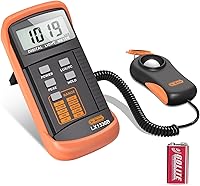
The label alone can't tell you how much light reaches every plant. Check the maker's coverage guidance and any plant lighting measurements for the exact fixture.
What does COB mean in an LED grow light?
COB means multiple LED chips mounted close together on one board. The term describes the light source layout, not whether a fixture is suitable for growing plants.
Grouped chips can appear as a single bright source. A lens or reflector can direct that output, while the fixture's heat management and mounting design affect how it operates.
A COB fixture is still an LED light. If you want a deeper explanation of the term, see what a COB LED is.
Is a COB LED strip the same as a COB grow light?
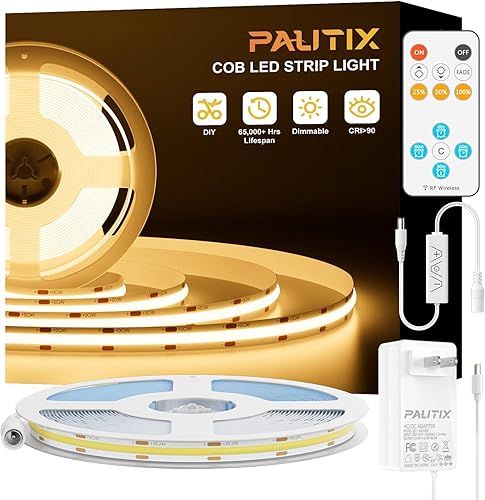
No, a COB strip and a COB grow light are different kinds of products. A strip can provide decorative or supplemental light, while a grow fixture is designed and described for lighting plants.
The PAUTIX strip is warm white at 2700K, and the Lamomo strip is warm white at 3000K. Those details describe their light color, but don't mean either one can meet a plant's full lighting needs.
The Govee strip includes warm white and colored effects, and its maker describes it as usable for supplemental lighting. That still doesn't make it a complete grow fixture.
For shelves, cabinets or a small accent area, these strips may have a role as extra light:
Measure the growing area and look for a fixture that provides suitable plant coverage. If you mean an ordinary household bulb rather than a grow panel, our guide to using regular LED lights to grow plants explains the limits to consider.
How does a COB array compare with a regular LED panel?
A COB array tends to concentrate its source, while a panel spreads LEDs over a larger surface. That difference can affect how evenly light reaches plants, but the fixture design matters more than the category name.
| Feature | COB fixture | Conventional LED panel |
|---|---|---|
| LED layout | Chips grouped on a small board | LEDs distributed across a panel |
| Light pattern | Often more concentrated | Often spread across a broader area |
| Main setup concern | Distance and light concentration | Coverage across the plant canopy |
| What to check | Optics, coverage guidance and heat management | Coverage guidance, mounting height and plant lighting details |
This is a general comparison, not a guarantee about every fixture. Some COB units are designed to cover larger areas, and some panels have concentrated hotspots.
For examples of panel style fixtures, compare options in our best LED grow light panel guide. Look at the stated coverage alongside the shape of your plant area.
Does COB produce more light than a regular LED?
The COB label alone doesn't tell you which fixture produces more useful light for plants. Compare the exact models' output, coverage and recommended distance.
A small COB source can look very bright when you look toward it. That doesn't show how evenly it lights a canopy or how much usable light reaches the edges.
A larger panel may distribute its LEDs across a wider area, but it still needs enough output at the height where you plan to hang it. Use maker guidance and comparable measurements instead of judging by brightness to your eyes.
Which option covers a plant shelf or grow tent better?
Choose by the size and shape of the area you need to light. A panel often suits a broad shelf or tent canopy, while a concentrated source may fit a smaller, defined area.
Measure the usable growing surface, not just the outside of the shelf or tent. Note the height available above the plants, nearby walls and shelves, and whether plants sit in one row or several.
Compare each fixture's recommended coverage at its intended hanging height. If the maker gives a coverage range, check that it fits the full plant area rather than only its center.
For a compact tent, see our guide to Spider Farmer LED grow lights. Compare the model's guidance with your tent dimensions before deciding whether its layout works for you.
What should you compare before buying?
Compare coverage, mounting distance, heat handling and plant lighting information for the exact model. Those details help you judge fit more reliably than “COB” or “regular LED” by itself.
Start with the plants and area. Seedlings, leafy plants and fruiting plants can have different lighting needs, so seek guidance that matches what you intend to grow.
Then check the mounting setup. Confirm that the fixture can hang at its recommended distance, that its spread reaches the plant edges, and that you can adjust its height as plants grow.
Look for information on heat management and safe installation. Follow the maker's electrical and mounting instructions, and keep cords away from water and out of walkways.
For more options built around the concentrated COB layout, use our best COB LED grow lights guide. It can help you compare actual grow fixtures instead of relying on the COB label alone.
Which is easier to use in a home growing setup?
A panel can be simpler to position over a row of plants, while a COB unit may need more care with distance and concentrated light. The easier option is the one that fits your mounting space and routine.
A panel can cover several pots without placing a separate light over each one. Check that plants at the edges receive the coverage the maker recommends.
A COB light can suit a smaller area or a focused growing zone. Keep the recommended distance in mind and avoid moving the fixture close to plants just because the light source looks compact.
If you need a low profile strip for a shelf, remember that decorative strips have different purposes. A grow light bulb for a regular lamp may be a better fit when you need a bulb format, provided its guidance matches your plants.
Are COB lights more efficient than regular LEDs?
You can't determine efficiency from the COB arrangement alone. Compare the exact fixture's power use and plant lighting output under comparable conditions.
LED chips, drivers, lenses, reflectors and heat management all affect a fixture's performance. Two products with different layouts can vary in efficiency, and the word COB doesn't settle that comparison.
Use model specific data where available. If the maker doesn't provide comparable figures, don't treat brightness claims or chip counts as proof of better growing performance.
How do you choose between COB and regular LED grow lights?
Pick a panel for broader coverage and a COB fixture for a focused area, then confirm the exact model suits your plants. The right choice is the one whose coverage, mounting distance and growing guidance fit your space.
Choose a conventional panel if you need light across a wide shelf or tent canopy. Choose a COB grow fixture if its concentrated pattern suits a smaller area and you can keep it at the recommended distance.
Skip decorative COB strips as a sole grow light unless their maker clearly describes them for your intended plant use. For a fair comparison, focus on full grow fixtures with published coverage details.
FAQ
Is a COB grow light better than a regular LED?
Neither type is always better for plants. COB fixtures place LED chips close together, creating a concentrated light source, while many conventional LED grow lights spread light across a panel.
Match the fixture's coverage and output to the plant area, mounting height and growing stage.
Can COB strip lights grow plants?
A COB strip can provide supplemental light, but don't assume a decorative strip can replace a grow light. The PAUTIX and Lamomo strips here are specified as warm white lighting, while Govee describes its strip as supplemental lighting.
Check whether a fixture provides the coverage and plant lighting details you need.
What does COB mean in an LED grow light?
COB means chip on board: multiple LED chips are mounted close together as one light source. That arrangement can create a concentrated beam, so the fixture's optics and distance from the canopy affect how the light reaches plants.
COB describes the LED arrangement, not the whole fixture.
Do plants need a purple grow light?
Plants don't require a purple-looking fixture; many grow lights use white light. Compare the fixture's coverage and plant lighting information rather than choosing by its visible color alone.
A decorative multicolor strip may create colored effects without serving as a complete grow light.
How far should a COB grow light be from plants?
Follow the fixture maker's recommended hanging distance for the model and growth stage. COB fixtures can concentrate light, so don't guess from another fixture's height.
Watch how plants respond, keep the canopy within the maker's guidance and adjust gradually.
Frequently asked questions
Is a COB grow light better than a regular LED?
Neither type is always better for plants. COB fixtures place LED chips close together, creating a concentrated light source, while many conventional LED grow lights spread light across a panel.
Match the fixture's coverage and output to the plant area, mounting height and growing stage.
Can COB strip lights grow plants?
A COB strip can provide supplemental light, but don't assume a decorative strip can replace a grow light. The PAUTIX and Lamomo strips here are specified as warm white lighting, while Govee describes its strip as supplemental lighting.
Check whether a fixture provides the coverage and plant lighting details you need.
What does COB mean in an LED grow light?
COB means chip on board: multiple LED chips are mounted close together as one light source. That arrangement can create a concentrated beam, so the fixture's optics and distance from the canopy affect how the light reaches plants.
COB describes the LED arrangement, not the whole fixture.
Do plants need a purple grow light?
Plants don't require a purple-looking fixture; many grow lights use white light. Compare the fixture's coverage and plant lighting information rather than choosing by its visible color alone.
A decorative multicolor strip may create colored effects without serving as a complete grow light.
How far should a COB grow light be from plants?
Follow the fixture maker's recommended hanging distance for the model and growth stage. COB fixtures can concentrate light, so don't guess from another fixture's height.
Watch how plants respond, keep the canopy within the maker's guidance and adjust gradually.