
Is It Safe to Leave Grow Lights on Overnight?
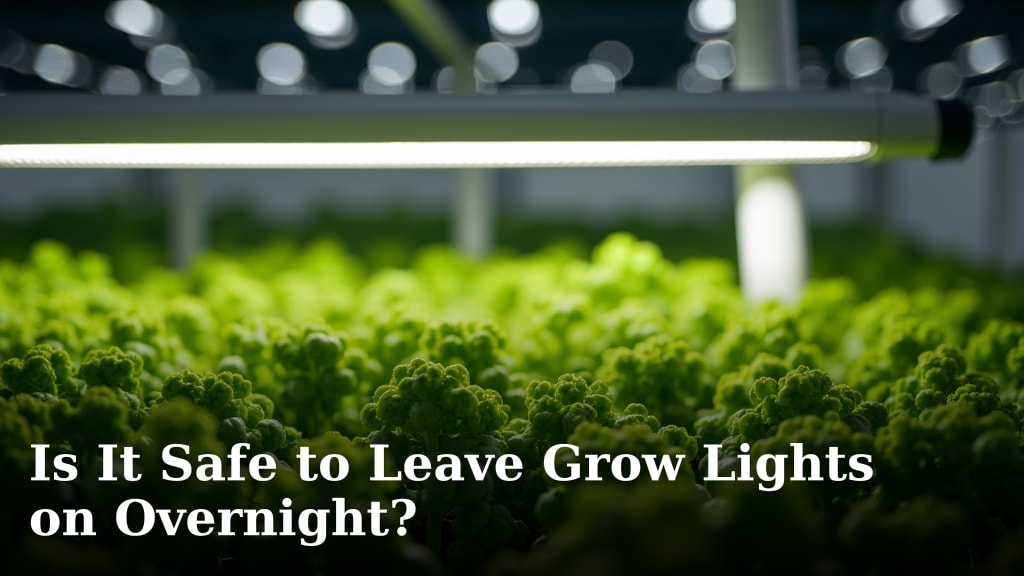
Yes, it is generally safe to leave grow lights on overnight for your plants, but you need to be mindful of the specific type of light and your plant’s needs. Most plants require a dark period to properly grow and flower, so continuous light isn’t always beneficial. Leaving lights on longer than necessary can actually be counterproductive for certain stages of plant development.
Understanding your plant’s light cycle is key. Some plants need a period of darkness to trigger flowering or other growth phases. Providing the right amount of light and darkness is essential for plant health. Research and found that Understanding your plant’s light cycle is key, and our guide on how long to leave grow lights on can help you determine the optimal duration.improper lighting can lead to stunted growth or other issues. We’ll help you figure out the right balance for your green friends.
- Most plants need a dark period.
- Continuous light can hinder some growth stages.
- Understanding plant light cycles is crucial.
- The type of grow light matters.
Let’s walk through exactly how much light your plants really need, day and night.
Understanding Your Grow Lights: Overnight Safety and Plant Needs
So, can you just leave those grow lights on all night? It’s a common question for plant parents, especially when you’re invested in giving your green buddies the best. The simple answer is: it depends, but often, a little darkness is actually a good thing. So, can you just leave those grow lights on all night? Our guide explains the implications of continuous lighting.
Most plants are used to the natural rhythm of day and night. Think of it like your own sleep schedule. Too much of anything, even something good like light, can throw things off balance. We found that understanding your plant’s specific needs is the **real key** to successful growing.
The Importance of a Dark Period for Plants
Why do plants need darkness? It’s not just for show! Many plants use their “nighttime” to perform vital functions. This is when they convert sugars into energy and prepare for growth. Research shows that this dark period is just as important as their light period (NCBI).
For flowering plants, darkness is often the trigger that tells them it’s time to bloom. If you keep the lights on constantly, you might prevent them from ever reaching that flowering stage. It’s like telling them “summer is forever” when they’re programmed for seasons.
Photosynthesis vs. Respiration: The Night Shift
Plants have two main jobs: photosynthesis (making food with light) and respiration (using that food for energy). Photosynthesis happens when light is present. Respiration, however, happens all the time, but it’s particularly active during the dark hours.
During respiration, plants use the sugars created during photosynthesis. They break these down to fuel growth, repair tissues, and carry out other life processes. Without a proper rest period, they can’t effectively manage this energy. This can lead to **stressed plants** that don’t grow well.
How Darkness Affects Plant Hormones
Darkness also plays a role in regulating plant hormones. These hormones control various aspects of plant development, including flowering and dormancy. For example, many plants are “short-day” plants, meaning they flower when the nights get longer and the days get shorter.
If you interrupt their dark period with light, you might confuse these hormonal signals. This can delay or prevent flowering altogether. Many experts say this hormonal signaling is **super important** for plant reproduction (University of Florida IFAS Extension).
Different Grow Lights, Different Rules
Not all grow lights are created equal, and this affects how you should use them overnight. The type of light you’re using will dictate whether it’s okay to leave it on continuously. Let’s break down the common types.
LED Grow Lights
LEDs are popular because they are energy-efficient and produce less heat. Because they don’t generate as much heat, you might be tempted to leave them on all the time. However, the same principles about plant needs still apply.
While some seedlings or vegetative plants might tolerate 24/7 light from LEDs, most mature plants still need a dark period to thrive. Continuous light, even from LEDs, can still stress plants or prevent flowering. It’s often best to stick to a **light cycle** for most LEDs.
HID (High-Intensity Discharge) Lights
This category includes Metal Halide (MH) and High-Pressure Sodium (HPS) lights. These lights get **very hot**. Running them 24/7 would create a serious heat problem in your grow space. This heat can easily damage your plants.
Because of the intense heat and energy consumption, HIDs are almost always used on timers for specific light cycles. They are powerful and effective, but they require careful management. Leaving them on overnight is generally **not recommended** due to heat and energy waste.
Fluorescent Grow Lights
Fluorescent lights, like T5s, are cooler than HIDs and are often used for seedlings and small plants. They are less intense, making them a gentler option. Can you leave these on overnight?
Again, while they are cooler, the plant’s need for a dark period remains. Some growers might use fluorescent lights for 18-24 hours on very young seedlings. But as the plants mature, especially if you want them to flower, you’ll need to introduce a dark period. We found that even these cooler lights benefit from a rest.
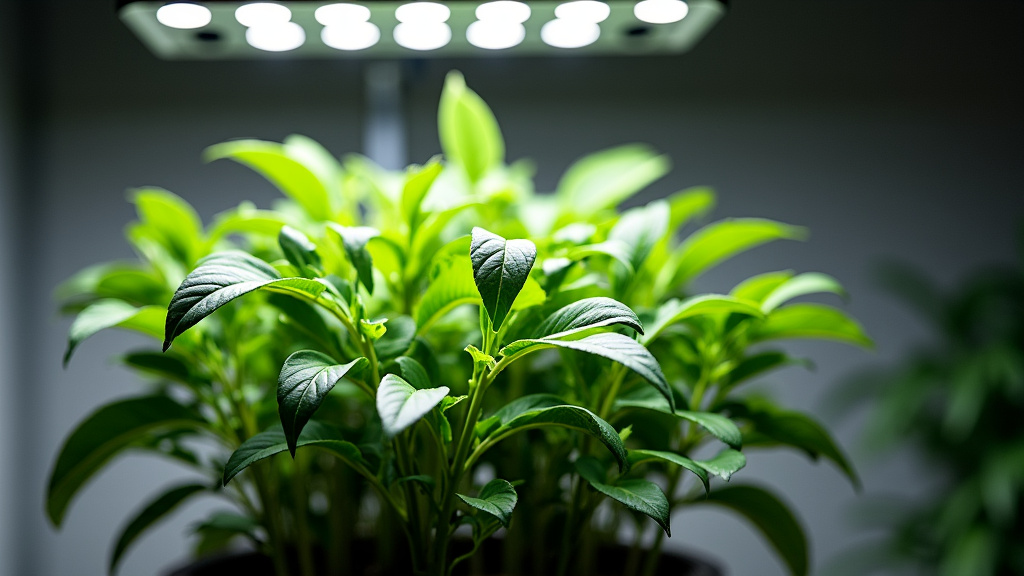
Matching Light Cycles to Plant Types and Stages
The “right” amount of light isn’t a one-size-fits-all number. It varies greatly depending on the plant species and its current growth stage. What works for a leafy green might not work for a tomato plant.
Photoperiodism: The Science of Light and Dark
This is the scientific term for how plants respond to the length of day and night. Understanding photoperiodism helps you set the correct light schedule.
There are three main categories of plants based on their photoperiodic response:
- Long-day plants: These plants flower when days are longer than nights (typically over 14 hours of light).
- Short-day plants: These plants flower when nights are longer than days (typically less than 10-12 hours of light).
- Day-neutral plants: These plants are not affected by day length and will flower regardless of the light cycle. Examples include tomatoes, cucumbers, and peppers.
Knowing which category your plant falls into is **essential** for determining its light needs.
Light Schedules for Different Growth Stages
Even within the same plant type, the light cycle needs can change as the plant grows.
Seedlings and Young Plants: Many growers provide 18-24 hours of light for seedlings. The goal here is rapid growth and development. They are usually too young to be affected by light cycles for flowering. Some research suggests 18 hours is often optimal, saving energy and allowing a short rest (Michigan State University).
Vegetative Growth: For plants that are growing leaves and stems (vegetative stage), a common schedule is 18 hours of light and 6 hours of darkness. This allows for robust growth without triggering flowering.
Flowering Stage: This is where the dark period becomes critical for many plants. Short-day plants will need a solid block of uninterrupted darkness, often 12 hours or more, to initiate and sustain flowering. Long-day plants might need 14-16 hours of light to flower.
What About Day-Neutral Plants?
Day-neutral plants, like many herbs and vegetables, are more forgiving. They often grow well under a variety of light schedules, including 18/6 or even 20/4. However, even these
Conclusion
So, can you leave your grow lights on overnight? Generally, yes, it’s safe, but it’s not always beneficial for your plants. While some young plants might tolerate continuous light, most mature plants need a rest period. This dark time is essential for their growth and flowering processes. We found that understanding your plant’s specific needs and light cycle is the real secret to success. Always research your plant type and its growth stage before setting your timer. This simple step will help your plants thrive.
Frequently Asked Questions
Will leaving my grow lights on 24/7 hurt my plants?
Leaving grow lights on 24/7 can indeed hurt some plants. While seedlings may benefit from it initially, most mature plants need a dark period to manage energy and trigger flowering. Continuous light can stress plants or prevent them from blooming.
Can I use a timer to give my plants a dark period?
Yes, using a timer is an excellent way to ensure your plants get the required dark period. Timers allow you to set specific light cycles, like 18 hours on and 6 hours off, or 12 hours on and 12 hours off, depending on your plant’s needs.
Do LED grow lights need a dark period too?
Yes, even energy-efficient LED grow lights require a dark period for most plants. While they produce less heat, the plant’s biological need for darkness remains. Continuous light from LEDs can still disrupt natural growth and flowering cycles.
What happens if I interrupt my plants’ dark period with light?
Interrupting your plants’ dark period with light can confuse their hormonal signals. This is especially problematic for short-day plants, as it can prevent them from flowering or delay it significantly. It’s best to provide an uninterrupted dark cycle.
How do I know the right light cycle for my specific plants?
You’ll need to research your plant species and its current growth stage. Determine if it’s a long-day, short-day, or day-neutral plant. Seedlings often need longer light periods, while flowering stages require specific light and dark durations.
