
Is It Safe to Use Grow Lights in a Bedroom Overnight?
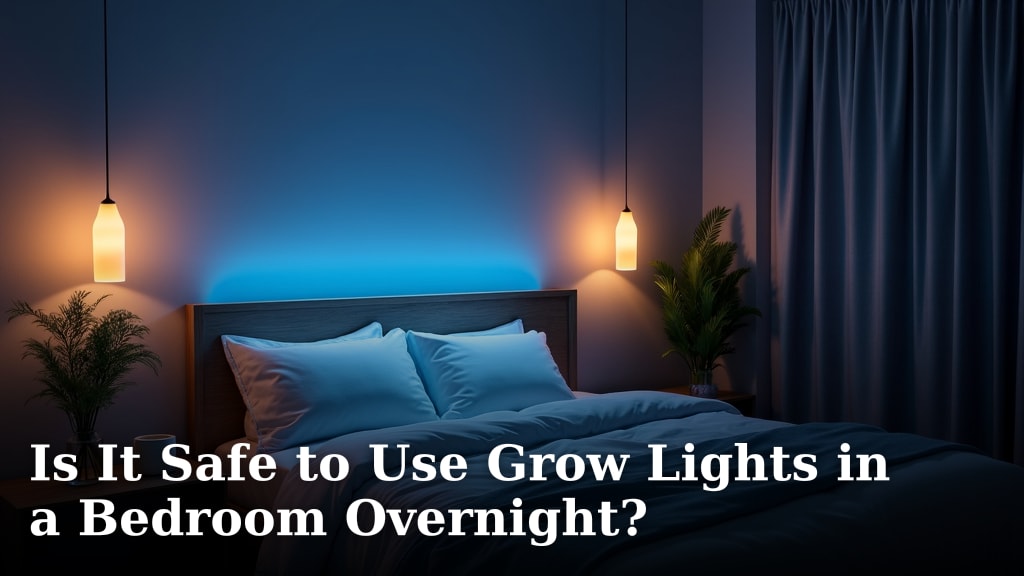
Yes, it can be safe to use grow lights in your bedroom overnight, but it depends on the type of light and your personal comfort. Many grow lights emit spectrums optimized for plant growth that are not ideal for human sleep. If you’re not careful, your plants could disrupt your sleep schedule.
Plants need specific light cycles to thrive. This often means they require periods of darkness, just like we do. Using the wrong kind of grow light or leaving it on when you need to sleep can trick your plants and disrupt your own natural sleep patterns. We want happy plants and happy humans, right?
- Grow lights can be safe in bedrooms.
- But, light type matters for your sleep.
- Plants need darkness too.
- Watch out for sleep disruption.
Let’s look at how to balance your plant’s needs with your own need for a good night’s rest.
Is It Safe to Grow Plants in Your Bedroom at Night?
You might be wondering if it’s actually okay to have those cheerful grow lights shining in your bedroom while you’re trying to catch some Zs. The short answer is: yes, it can be safe, but you have to be smart about it. It’s not just about your plants’ needs; your own well-being, especially your sleep, is super important too. We found that using the wrong kind of light or having it on at the wrong times can mess with both your plants and your personal sleep cycle. Let’s figure out how to keep everyone happy and healthy.
Understanding Grow Light Types and Their Impact on Sleep
Not all grow lights are created equal, and this is key when considering bedroom use. The type of light you choose directly affects its suitability for your sleep environment. Think of it like this: some lights are like a gentle nightlight, while others are like a spotlight in your face. We looked into the different kinds available and how they might influence your rest.
Full Spectrum LED Grow Lights
Full spectrum LED grow lights are often recommended for plant growth because they mimic natural sunlight. They produce light across the entire visible spectrum. This sounds great for plants, right? But what about you? Research suggests that light, especially blue light, can signal to your brain that it’s daytime. This can suppress melatonin production, the hormone that helps you sleep (National Sleep Foundation). Many full-spectrum lights still emit a considerable amount of blue light, even if it’s balanced with other colors. So, even if they’re ‘good’ for your plants, they might not be ‘good’ for your sleep. We found that some newer LED models offer adjustable spectrums, which could be a game-changer.
Red and Blue Spectrum LED Grow Lights
These lights are very common and efficient for plant growth. They emit light specifically in the red and blue wavelengths, which plants use most effectively for photosynthesis. However, these are precisely the colors that can be most disruptive to human sleep. Blue light, as we mentioned, is known to impact melatonin. Red light, while generally considered less disruptive than blue, can still be quite bright and noticeable, potentially interfering with deep sleep. We found that continuous exposure to these intense colors overnight could lead to poorer sleep quality for you.
Fluorescent Grow Lights (T5s, CFLs)
Fluorescent lights are a more budget-friendly option. While they can support plant growth, they often emit a less intense and sometimes more dispersed light. Some fluorescent grow lights are designed with cooler, bluer spectrums, which can still affect sleep. Others might have a warmer tone. We found that their overall intensity is usually lower than powerful LEDs, which might make them less disruptive. However, they are often less efficient and may not provide the specific wavelengths that some plants thrive on. It’s a trade-off to consider for your space.
HID Grow Lights (HPS, MH)
High-Intensity Discharge (HID) lights, like High-Pressure Sodium (HPS) and Metal Halide (MH) lights, are powerful. They are typically used for larger grow operations, not usually for a bedroom setup. These lights get very hot and emit a significant amount of light and heat. We found that their intensity and spectrum can be highly disruptive to sleep. Many experts strongly advise against using HID lights in living spaces, especially bedrooms, due to the potential for heat buildup and light pollution. They are best suited for dedicated grow tents or rooms.
The Importance of Darkness for Plant Health
It’s not just about you needing darkness; your plants do too! Plants have their own daily cycles, called circadian rhythms. Just like you need to sleep, plants need a period of darkness to carry out certain metabolic processes. This is when they convert sugars produced during photosynthesis into energy for growth. If plants are exposed to light 24/7, they can become stressed. This stress can manifest as stunted growth, poor flowering, or increased susceptibility to pests and diseases. We found that interrupting this dark period can confuse the plant, hindering its natural development (National Gardening Association).
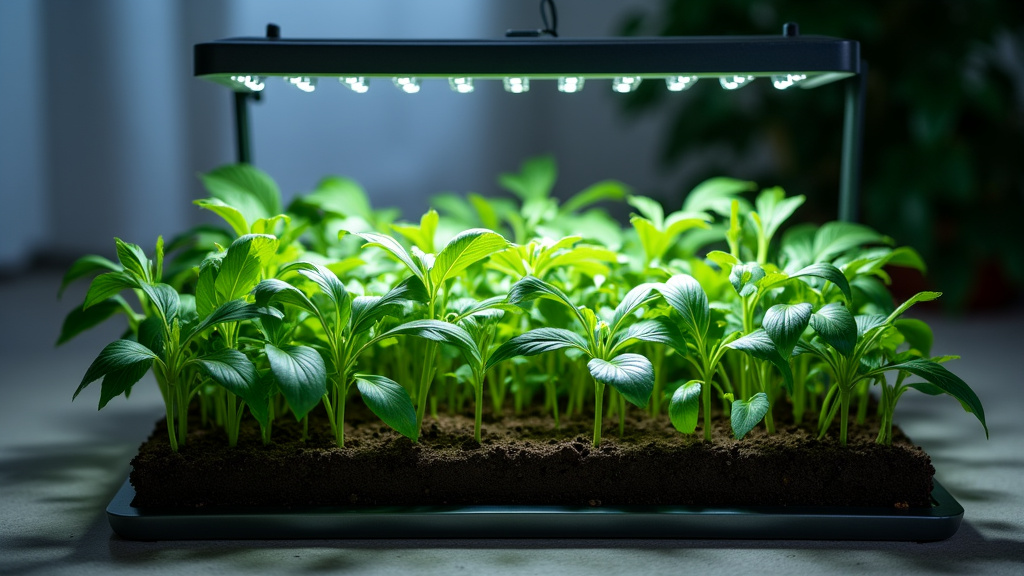
Creating a Sleep-Friendly Environment with Grow Lights
So, how can you have your plant and sleep too? It’s all about managing the light. The goal is to give your plants the light they need to grow when you’re awake, and ensure your room is dark and conducive to sleep when you’re not. We’ve gathered some practical tips to help you achieve this balance.
Implement Timers for Your Grow Lights
This is perhaps the most critical step. Using an automatic timer is a simple yet incredibly effective way to control your grow lights. You can set them to turn on and off at specific times, ensuring your plants get their required light period and then experience their essential dark period. You can also ensure the lights are off when you need to sleep. We found that timers are a low-cost solution with huge benefits for both plant health and human sleep. A typical recommended light cycle for many plants is 12-16 hours of light per day, followed by 8-12 hours of darkness. A timer makes this easy to manage.
Consider Light-Proofing Your Grow Area
Even with timers, some light might “spill” out. If you have plants in a corner or a small tent, you might want to add some light-proofing. This could involve using blackout curtains or fabric around your grow setup. The idea is to contain the light, so it doesn’t illuminate your bedroom. We found that even low-level ambient light can disrupt sleep. Minimizing any stray light from your plants is a good practice for everyone in the room.
Choose Lights Wisely for Bedroom Use
As we discussed earlier, not all lights are created equal. For a bedroom, it’s best to opt for grow lights specifically designed for indoor use and perhaps those with adjustable spectrums. Some modern grow lights allow you to control the color temperature and intensity. You might choose a warmer spectrum for evening hours if your plants need it, or ensure the lights turn off completely. We found that some manufacturers are now developing ‘gentle’ grow lights that emit less disruptive wavelengths, or lights with built-in dimming features. Researching specific models designed for living spaces can be very helpful.
Strategic Placement of Your Plants and Lights
Where you put your plants and lights matters. If possible, try to place your grow setup in a corner or area that is furthest from your bed. This distance can help reduce the perceived intensity of the light. If your plants are on a shelf, consider positioning them so the light is directed downwards onto the plants, rather than outwards into the room. We found that simply repositioning your grow area can make a surprising difference in how much light affects your sleep environment.
Potential Downsides and What to Watch For
While it’s generally safe with the right precautions, there are a few things to keep an eye on. Unexpected light cycles can be bad for your plants. Bright lights can also make it harder for you to fall asleep. It’s all about observation and adjustment.
We found that some common issues include:
- Plants not blooming or producing fruit: This could be a sign they aren’t getting enough dark time.
- Your own sleep disturbances: Feeling groggy, having trouble falling asleep, or waking up frequently might be linked to light exposure.
- Heat buildup: Some grow lights can increase the temperature in your room.
- Noise from fans: If you use fans for ventilation, their sound might disrupt your sleep.
It’s important to be mindful of these potential issues. Listening to your body and observing your plants’ responses is your best guide.
A Quick Checklist for Bedroom Grow Lights
Here’s a simple way to make sure you’re on the right track:
- Use a reliable timer for your grow lights.
- Ensure your grow area is as light-proof as possible.
- Choose LED lights if possible, for efficiency and less heat.
- Position lights to shine directly on plants, not into your room.
- Observe your plants for signs of stress.
- Pay attention to your own sleep quality.
By following these steps, you can create a thriving environment for your plants while ensuring you get the restful sleep you deserve.
Conclusion
You can absolutely have happy plants and restful sleep in the same bedroom! The key is thoughtful management of your grow lights. We found that choosing the right type of light and using a simple timer are your most powerful tools. Light-proofing your setup and strategic placement also help create a sleep-friendly zone. Don’t forget to observe both your plants and your own well-being for any signs that adjustments are needed. Ready to balance your green thumb with your sleep needs? Your next step is to invest in a reliable timer for your grow lights!
Frequently Asked Questions
Will grow lights keep me awake at night?
Yes, some grow lights can disrupt your sleep. Lights with strong blue or red spectrums, especially if they’re very bright, can signal to your brain that it’s daytime. This can interfere with your body’s natural sleep hormone, melatonin. We found that using timers and choosing adjustable or gentler light options can greatly reduce this effect.
Can my plants get enough light if I turn the grow lights off at night?
Definitely! Plants need a dark period just like they need light. We learned that this dark cycle is essential for their growth and development. Turning off your grow lights at night, especially with a timer, ensures your plants get their required light and dark periods, while also giving you a dark room to sleep in.
Are LED grow lights safe for bedrooms overnight?
Generally, yes, LED grow lights are safer for bedrooms than other types, especially if you choose wisely. Newer LEDs often have adjustable spectrums, allowing you to reduce disruptive blue light. We found that using them with a timer is essential, and some models are even designed to be less intense for living spaces.
How can I stop light from my grow area spilling into my bedroom?
You can make your grow area more light-proof. Consider using blackout curtains or a fabric enclosure around your plants and lights. Positioning the lights to shine directly down onto the plants can also minimize outward spill. We found that even small amounts of light can affect sleep, so containment is key.
What if my plants don’t seem to be growing well, even with grow lights?
If your plants aren’t thriving, it might be related to their light cycle. Ensure your timer is set correctly so they receive adequate light and, importantly, a consistent period of darkness. We found that interrupted dark periods can stress plants, hindering their growth or flowering. Also, check that the light intensity and spectrum are appropriate for your specific plant types.
