How to Grow a Lemon Tree Indoors
A lemon tree can grow indoors in a container if you give it strong light, room for its roots, and care that adjusts to the season. Choose a suitable citrus variety, keep the pot draining freely, and watch for pests and changes in leaf color.
On this page (7 sections)
- What kind of lemon tree grows well indoors?
- Where should you place an indoor lemon tree?
- What pot and soil should you use?
- How often should you water and feed it?
- How can you support flowers and fruit indoors?
- What should you check when indoor growth looks poor?
- How do you keep a lemon tree healthy through the year?
A lemon tree can grow indoors in a container if you provide strong light, a pot with drainage, and steady care that changes with the seasons. Choose a tree suited to container growth, give its roots room, and check the leaves and soil regularly.
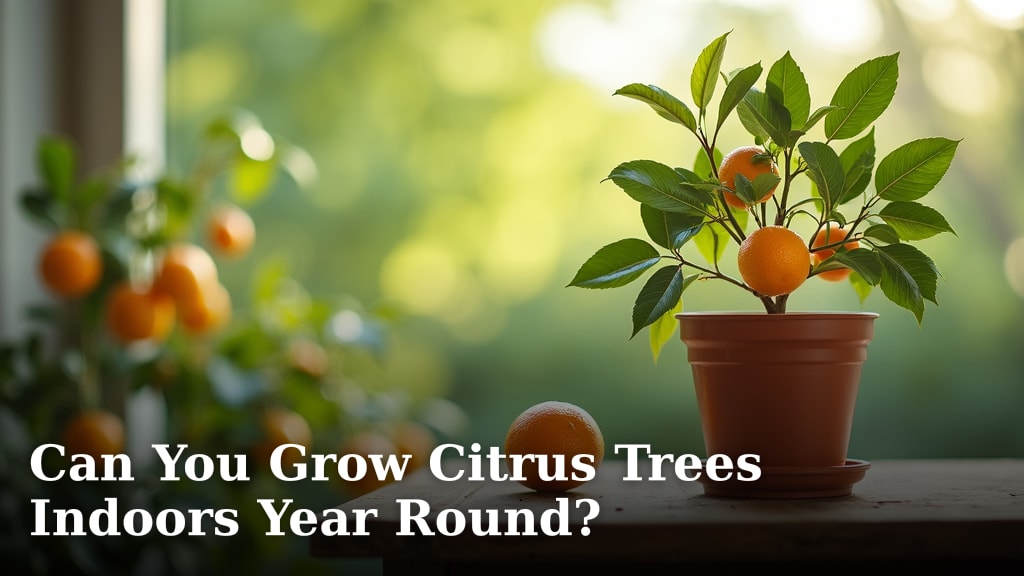
Indoor citrus can remain in your home year-round, though growth and fruit depend on the tree and its conditions. For the broader year-round question, see Can You Grow Citrus Trees Indoors Year Round?.
What kind of lemon tree grows well indoors?
A compact lemon tree suited to container growing is usually the easiest indoor choice. Before buying, check the variety’s mature size and care needs so you can judge whether your home can provide enough light and room.
A grafted nursery tree is a practical option if you hope to harvest fruit. Seed-grown trees can grow into attractive plants, but their size, fruit quality, and time to fruit are less predictable.
If you want to try a seed, follow how to grow a lemon tree from a lemon seed.
Indoor lemon trees still need bright conditions and patience. A tree that grows leaves but doesn’t flower may need more light or a change in care; fruit set also depends on pollination and the plant’s health.
Where should you place an indoor lemon tree?
Put the tree in your brightest available spot, often near a sunny window. Turn the pot occasionally if growth leans toward the light, and leave space around the branches for airflow and routine care.
If natural light is limited, a grow light can supplement it. Set it up according to the light maker’s instructions and keep the tree’s response in view: weak, stretched growth can signal that conditions need adjustment.
Compare options in Best Grow Lights For Vegetative Growth.
A lemon tree may benefit from outdoor time in warm weather, but a sudden move from indoors can stress it. Introduce it gradually to outdoor light and conditions, then bring it inside before temperatures become too cold for the tree.
What pot and soil should you use?
Choose a stable container with drainage holes and a potting mix that lets water pass through. A pot without drainage can leave roots sitting in water, while a container that is too large can hold excess moisture around a small root system.
Move the tree up a pot size when its roots have filled the current container or water runs through unusually quickly. Avoid jumping to a much larger pot; choose one that gives the roots some room without overwhelming them.
When repotting, keep the trunk at about the same soil level it had before. For a step-by-step container guide, see how to plant lemon trees in pots.
How often should you water and feed it?
Check the soil before watering, and water thoroughly when the top layer begins to dry. Let excess water drain away, and empty the saucer so the pot doesn’t stand in water.
Indoor conditions change how quickly soil dries. Warm rooms, bright light, pot size, and active growth can all affect the interval, so use the soil as your guide instead of watering by the calendar.
Feed the tree with a fertilizer labeled for citrus or follow reliable care guidance for your variety. Use the package directions, and avoid adding extra fertilizer to compensate for weak growth before checking light, watering, and root conditions.
How can you support flowers and fruit indoors?
Give the tree enough light and steady care before expecting flowers or fruit. A healthy, established tree is more likely to flower than a young seedling, but indoor fruiting isn’t guaranteed.
Some indoor spaces have few pollinators. If flowers appear, gently moving pollen between them with a small, clean brush may help pollination; follow care advice for your variety and avoid disturbing flowers.
Fruit takes time to develop. Don’t remove healthy leaves or overfeed the tree in an effort to speed it up.
If the plant drops flowers or small fruit, review its light, watering, temperature, and recent changes.
What should you check when indoor growth looks poor?
Start with light, soil moisture, and drainage when leaves yellow or growth slows. These checks can point to common care problems before you make several changes at once.
Yellow leaves can have more than one cause. Check whether the mix is staying wet, whether water drains freely, and whether the tree receives strong light.
Also look under leaves and along stems for pests, especially if leaves curl or have sticky spots.
Make one adjustment at a time and watch the new growth. Avoid moving the tree repeatedly or pruning heavily while it is stressed.
What helps you keep growing indoors?
A lemon tree needs a suitable container and ongoing care, while microgreens offer a separate, quick indoor harvest. They won’t grow lemons or solve citrus care problems, but they can complement an edible indoor garden while your tree matures.
The ZESTIGREENS kit includes a reusable tray, hydroponic insert, blackout felt lid, hemp mats, seeds, and a guide. Its removable insert allows growing with soil instead.
For a guide to growing those small greens, see how to grow microgreens indoors. If you want broccoli seeds for trays or other growing setups, Organo Republic’s pack is described for indoor and outdoor microgreens.
Sprouts are another distinct indoor food crop. The Kitmiido jar set includes 2 jars, sprouting lids, a stand, a drip tray, and blackout sleeves; seeds are not included.
You can also compare indoor fruit growing with Can You Grow Strawberries Indoors All Year?.
How do you keep a lemon tree healthy through the year?
Keep the tree in bright light, water based on soil dryness, and make seasonal changes gradually. Check for pests and drainage as part of routine care, and give the plant time to respond after each adjustment.
Choose a compact container tree if you want a more manageable indoor plant. If your home has limited natural light, plan for supplemental lighting before you bring a tree home.
For growing an indoor lemon tree, the practical decision is simple: start with a suitable tree and a bright location, then match watering and pot size to its growth. Add microgreens or sprouts only if you also want a separate, faster edible crop indoors.
Frequently asked questions
Can a lemon tree grow indoors all year?
Yes, a lemon tree can stay indoors all year if it gets strong light and steady care. Growth and fruiting depend on the tree variety, light, temperature, pollination, and general health.
If you move it outdoors in warm weather, introduce it gradually and bring it back in before cold nights.
How much light does an indoor lemon tree need?
Give an indoor lemon tree the brightest spot you have, such as a sunny window, and watch how it responds. If new growth is weak or the plant leans toward the glass, it may need more light.
A grow light can help when natural light is limited; follow its instructions for placement and timing.
How often should I water an indoor lemon tree?
Water when the top layer of potting mix begins to dry, then let excess water drain from the pot. The interval changes with pot size, room warmth, light, and season, so check the soil instead of following a fixed weekly schedule.
Empty any saucer so the roots don't sit in standing water.
Can I grow a lemon tree from a store-bought lemon?
You can try growing a lemon tree from a seed, but a seed-grown tree may take years to flower and fruit, and its fruit may differ from the parent lemon. A grafted tree is a more predictable choice if you want fruit sooner.
Keep seedlings warm, bright, and evenly moist as they grow.