
Can You Use Grow Lights Year Round for Houseplants?
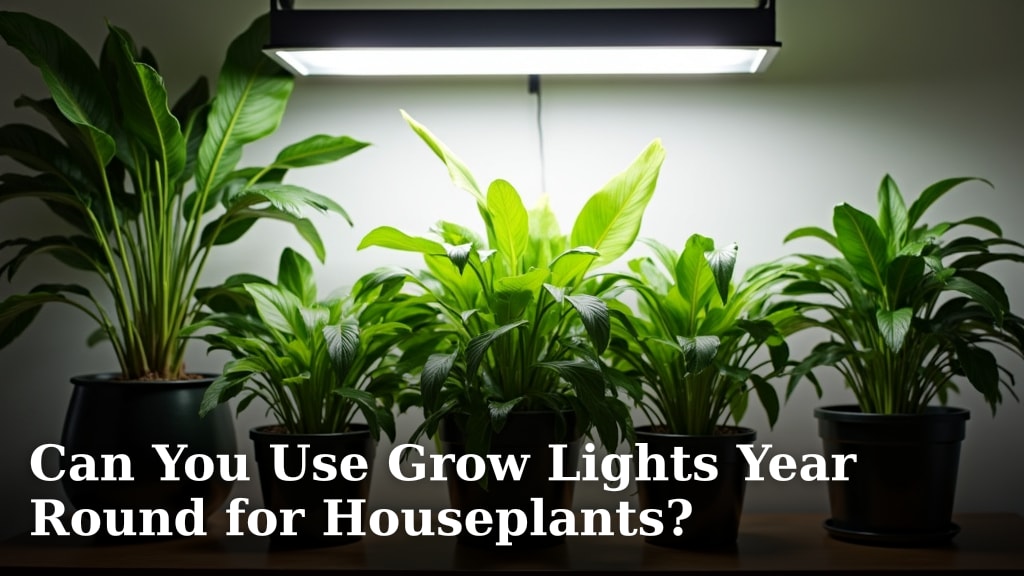
Yes, you absolutely can use grow lights year-round for your houseplants! It’s a fantastic way to ensure your green friends get the light they need, no matter the season or the spot by your window. Think of it as giving your plants a personal sunny vacation, anytime they need one.
Using grow lights year-round means you’re not limited by cloudy days or short winter afternoons. You can keep even your light-loving plants thriving, regardless of your home’s natural light conditions. Many plant parents find this approach keeps their plants healthier and happier all year long.
- Grow lights can be used all year for houseplants.
- They provide consistent light regardless of seasons or window placement.
- This helps keep plants healthy and happy throughout the year.
- You can grow light-loving plants even in darker homes.
Below, we’ll walk you through how to effectively use grow lights year-round to give your houseplants the best possible environment. Below, we’ll walk you through how to choose the best grow light for your houseplants.
“`htmlYear-Round Greenery: Making Grow Lights Work for Your Houseplants
Yes, you absolutely can use grow lights year-round for your houseplants! It’s a fantastic way to ensure your green friends get the light they need, no matter the season or the spot by your window. Think of it as giving your plants a personal sunny vacation, anytime they need one.
Using grow lights year-round means you’re not limited by cloudy days or short winter afternoons. You can keep even your light-loving plants thriving, regardless of your home’s natural light conditions. Many plant parents find this approach keeps their plants healthier and happier all year long.
Why Go All-In on Year-Round Lighting?
Many people worry that grow lights are just for emergencies, like nursing a sad plant back to health during winter. But we found that using them consistently can actually prevent those emergencies from happening in the first place. It’s about proactive plant care!
Your houseplants are used to a specific light environment. When that environment changes drastically, they can show stress. Year-round lighting offers a stable and predictable light source. This consistency helps your plants avoid the shock of fluctuating light levels. We found that plants under consistent lighting often exhibit stronger growth and better overall vigor.
Consistency is Key
Think about how the seasons change outdoor light. Plants adapt, but indoor plants have a harder time. A window that gets bright sun in summer might get very little in winter. Grow lights level the playing field. They provide the same quality of light every day. This is especially beneficial for plants that are picky about their light requirements.
We discovered that plants that received consistent, quality light were less prone to issues like etiolation (stretching for light) and leaf drop. It’s like providing a perfectly balanced diet for your plants. They know what to expect and can focus their energy on growing.
Meeting Diverse Plant Needs
Not all plants are created equal when it comes to light. Some love to bask in direct sun, while others prefer a gentle, dappled glow. Grow lights can be adjusted to meet these varied needs.
You can use different types of grow lights or adjust their intensity and distance from the plants. For example, a bright, direct-light lover might need a more powerful light kept closer. A shade-loving plant will do better with a less intense light placed further away. We found that this targeted approach allows you to create custom light zones for your diverse plant collection. It’s like having a personal sun stylist for each plant!
Choosing the Right Grow Lights for Your Setup
When deciding to use grow lights year-round, the type of light you choose is important. Not all grow lights are created equal, and some are better suited for continuous use than others.
Understanding Light Spectrum and Intensity
Plants need specific wavelengths of light for photosynthesis. This is often referred to as the light spectrum. Full-spectrum lights mimic natural sunlight, providing a balance of all the wavelengths plants need. Many experts recommend full-spectrum LEDs for general houseplants (National Gardening Association). Many experts recommend full-spectrum lights for general houseplants, and our guide reviews the top options.
Intensity, often measured in PPFD (Photosynthetic Photon Flux Density), tells you how much usable light is reaching your plant. For year-round use, you want lights that offer good intensity without being so strong that they scorch your plants. We found that dimmable lights offer the most flexibility for different plant types and growth stages.
Types of Grow Lights for Continuous Use
Here’s a quick look at common types:
- LED Grow Lights: These are energy-efficient and long-lasting. They come in various forms, from bulbs to strips and panels. We found LEDs to be the most popular choice for year-round use due to their low heat output and customizable spectrum options.
- Fluorescent Grow Lights (T5, T8): These are a good option, especially for seedlings and low-light plants. They produce less heat than older incandescent bulbs but are not as energy-efficient as LEDs.
- HID (High-Intensity Discharge) Lights: These are very powerful but produce a lot of heat and consume more electricity. They are typically used for commercial growing or plants with extremely high light demands, and might be overkill for most home setups.
For most home growers looking to use lights year-round, LEDs are the way to go. They provide excellent light quality with minimal heat, making them safe and efficient for continuous operation.
Setting Up Your Year-Round Grow Light System
Getting your grow lights set up correctly is key to success. It’s not just about plugging them in; it’s about creating an optimal environment for your plants.
Placement Matters: Distance and Direction
The distance between your grow light and your plants is critical. Too close, and you risk burning the leaves. Too far, and the light won’t be effective. We found that the ideal distance varies by light type and plant needs.
As a general guideline for most LED grow lights, keeping them 12-24 inches above the plant canopy is a good starting point. Always observe your plants for signs of stress (like yellowing leaves or wilting) and adjust accordingly. Some research suggests that angling the lights slightly can help ensure more even coverage across the plant.
Timing is Everything: The Light Cycle
Plants need a period of darkness to rest and respire. This is called the dark cycle. Most houseplants thrive on a light cycle of 12-16 hours of light per day, followed by 8-12 hours of complete darkness (Cornell University Extension). You can use a simple timer to automate this process.
We found that consistent on/off times are more important than the exact duration. Try to mimic a natural day/night rhythm as much as possible. Avoid placing lights in areas where they might be interrupted by other ambient light sources during the plant’s “night.”
Creating a Checklist for Success
To make sure you’re set up for success with your year-round grow lights, consider this quick checklist:
- Choose the right light: Select full-spectrum LEDs for efficiency and effectiveness.
- Determine placement: Find the optimal distance for your specific lights and plants.
- Set your timer: Establish a consistent daily light and dark cycle.
- Monitor your plants: Watch for any signs of stress and adjust as needed.
- Adjust for growth: As plants grow taller, you may need to reposition the lights.
- Consider air circulation: Ensure good airflow around your plants and lights.
Troubleshooting Common Issues
Even with the best intentions, you might encounter a few hiccups. We’ve researched common problems and their solutions:
- Etiolation (Stretching): If your plant is getting long and leggy with pale leaves, it’s not getting enough light. Move the light closer or increase its intensity/duration.
- Leaf Burn: If leaves look scorched, brown, or crispy, the light is likely too close or too intense. Increase the distance.
- No New Growth: This could be due to insufficient light, but also consider watering, nutrients, and temperature. Ensure all conditions are met.
- Fungal Issues: While less common with LEDs, poor air circulation combined with high humidity can sometimes lead to problems. Ensure your plants are in a well-ventilated area.
Many plant experts suggest that addressing these issues quickly will help your plants recover. It’s all about observation and making small adjustments.
Balancing Grow Lights with Natural Light
You don’t have to go “all-in” on grow lights if you have decent natural light. It’s often about supplementing, not replacing. We found that a hybrid approach can be very effective.
Augmenting Dim Spaces
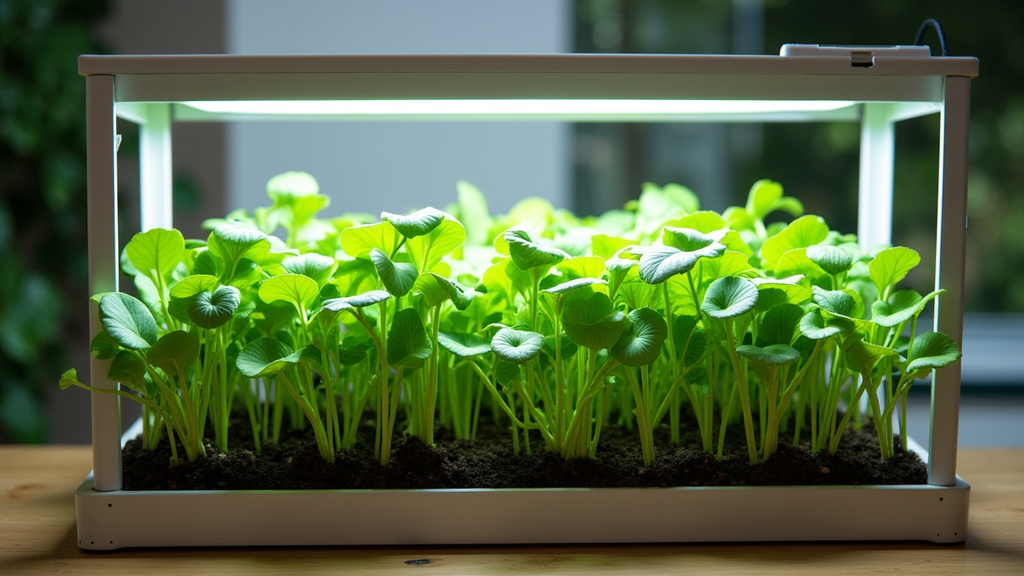
If you have a corner of your home that’s perpetually dim, a grow light can make all the difference. You can place a small LED panel or bulb in that area to boost the available light. It doesn’t need to be on all day; perhaps just for a few hours when natural light is at its weakest.
Seasonal Adjustments
During the darker months, you might find your plants need more help from grow lights than during summer. You can adjust the timer or intensity of your lights to compensate for the shorter days and lower sun angle. This flexibility ensures your plants get what they need when they need it most.
When to Go Full-Time with Lights
Some homes simply don’t have adequate natural light, even in the brightest spots. If your windows face north, are blocked by trees, or you live in a region with prolonged cloud cover, grow lights become essential. We found that for these situations, a dedicated grow light setup, managed with a timer, provides the most reliable results for plant health.
For many, the goal isn’t just survival, but thriving. Year-round grow lights help you achieve that. They allow you to create the perfect microclimate for your plants, regardless of the external environment. Many plant enthusiasts report that their plants look significantly better and grow more consistently once they commit to year-round supplemental lighting (American Horticultural Society).
“`Conclusion
You’ve learned that using grow lights year-round is a smart move for happy, healthy houseplants. It provides the consistent light they need, no matter where you place them or what the weather is like outside. Whether you’re supplementing dim spaces or creating a full indoor jungle, year-round lighting ensures your plants thrive. Ready to give your plants the perfect light conditions every day? Start by choosing the right LED lights and setting up a simple timer. Your green friends will thank you with lush growth!
Frequently Asked Questions
Do grow lights use a lot of electricity all year?
Modern LED grow lights are very energy-efficient. We found they use significantly less electricity than older types of lights. By using a timer to only run them when needed, you can further minimize energy costs.
Can I leave grow lights on 24/7?
No, your plants need a period of darkness to rest and respire. Research shows that most houseplants benefit from a cycle of 12-16 hours of light and 8-12 hours of complete darkness daily.
Will grow lights overheat my plants?
LED grow lights produce very little heat, especially compared to older lighting technologies. We found that as long as you maintain the recommended distance, overheating is rarely an issue for most houseplants.
How do I know if my plant is getting enough light from my grow light?
Observe your plants for signs like stretching (etiolation) or pale, small leaves, which indicate too little light. Conversely, scorched or brown leaf edges suggest the light is too close or intense. Adjust the light’s position or duration based on these cues.
Is it better to use grow lights or put plants by a window?
It depends on your home and your plants’ needs. Windows offer natural light, but it can be inconsistent. Grow lights provide predictable, controlled light, making them ideal for plants with specific needs or in homes with poor natural light. A combination of both can also be very effective.
