Can You Grow Citrus Trees Indoors Year Round?
On this page (12 sections)
- Bringing Citrus Trees Indoors Year-Round: Your Guide to a Fruity Home Oasis
- Choosing the Right Citrus for Indoor Life
- The Sunshine Factor: Lighting Your Citrus Tree
- Watering Wisely: Not Too Much, Not Too Little
- Soil and Potting: The Foundation for Growth
- Humidity and Airflow: Mimicking the Tropics
- Feeding Your Fruiting Friend: Fertilizing Citrus
- Dealing with Pests and Problems
- Pruning for Shape and Productivity
- Your Checklist for Indoor Citrus Success
- Conclusion
- Frequently Asked Questions
Yes, you absolutely can grow citrus trees indoors year-round! With the right care and attention, you can enjoy fresh lemons, limes, or even oranges right in your own home. Many people successfully bring these sunny plants inside to escape colder weather and continue harvesting their delicious fruit. Indoor citrus growing is more achievable than you might think.
Bringing citrus inside means you’ll need to focus on mimicking their ideal outdoor conditions. This includes providing plenty of sunlight, proper watering, and the right soil. You might also consider humidity levels and occasional feeding to keep your trees happy and productive. It’s a rewarding way to have a taste of the tropics all year long.
- You can grow citrus trees indoors year-round.
- It requires providing good light, water, and soil.
- Mimicking outdoor conditions is key for success.
- Expect to manage humidity and fertilize your tree.
- It’s a rewarding way to enjoy fresh fruit at home.
Let’s walk through exactly how to make your indoor citrus grove thrive, from picking the right pot to keeping pests away.
Bringing Citrus Trees Indoors Year-Round: Your Guide to a Fruity Home Oasis
Yes, you can absolutely keep citrus trees thriving indoors all year long. It’s more than just a potted plant; it’s a mini orchard in your living room. You can enjoy the zesty scent and even harvest your own fruit. Many people find great success doing this. Let’s figure out how to make your home a citrus paradise.
Choosing the Right Citrus for Indoor Life
Not all citrus trees are created equal when it comes to indoor living. Some are naturally smaller and more adaptable. Dwarf varieties are your best friends here. They stay manageable in pots. Think about what fruit you love most. Lemons and limes are very popular choices for indoor growers. Kumquats are also a fantastic option. They are small and produce abundant fruit.
Popular Indoor Citrus Varieties
When picking your tree, look for dwarf versions of common fruits. The ‘Improved Meyer’ lemon is a top choice. It’s less acidic than a standard lemon. It also fruits readily indoors. Calamondin oranges are another excellent pick. They produce small, tart fruits and fragrant flowers. Key limes are also well-suited for pots. Their compact size makes them easy to manage. We found that these varieties tend to be more forgiving of indoor conditions.
Where to Find Your Indoor Citrus
You can find suitable citrus trees at most garden centers. Look for trees that are grafted onto dwarfing rootstock. This is usually indicated on the plant tag. Buying from a reputable nursery helps ensure you get a healthy plant. You want a tree that’s been well-cared for. Inspect the leaves and branches before you buy. Avoid any plants with yellowing leaves or visible pests.
The Sunshine Factor: Lighting Your Citrus Tree
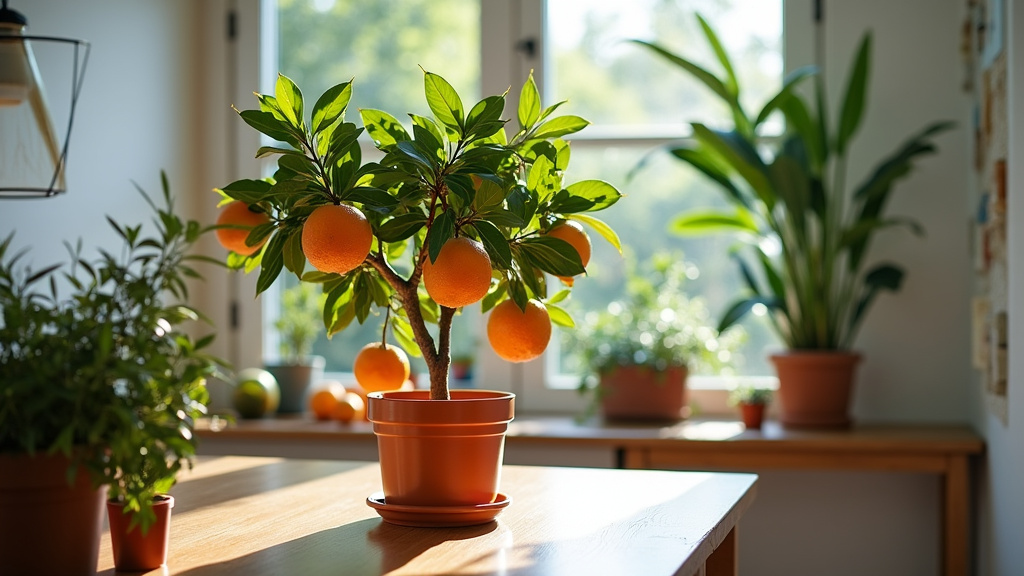
Citrus trees are sun-worshippers. They need a lot of light to produce fruit. Indoors, this means finding the sunniest spot you have. A south-facing window is usually ideal. If you don’t have one, don’t despair. You can supplement with grow lights. This is often necessary during the darker months. Your tree will thank you for the extra rays. If you don’t have a sunny spot, you can supplement with grow lights.
Maximizing Natural Light
Place your citrus tree as close to a window as possible. West or east-facing windows can also work. Rotate the pot every week or two. This ensures all sides of the tree get sunlight. This prevents the plant from growing lopsided. Keep windows clean to allow maximum light penetration. Even a bit of dust can reduce the light reaching your leaves.
When and How to Use Grow Lights
If natural light is insufficient, grow lights are a game-changer. Many experts recommend full-spectrum LED grow lights. They mimic natural sunlight very well. Position the lights a few inches above the plant. Follow the manufacturer’s recommendations for distance and duration. Aim for 10-12 hours of light per day. This can significantly boost your tree’s health and fruiting potential. We found that consistent light exposure is key.
Watering Wisely: Not Too Much, Not Too Little
Watering is where many indoor gardeners run into trouble. Citrus trees hate soggy roots. But they also don’t like to dry out completely. The key is to check the soil moisture. Stick your finger about an inch or two into the soil. If it feels dry, it’s time to water. If it feels moist, wait a bit longer.
The Art of the Water Test
This simple finger test is your best friend. It helps you avoid overwatering and underwatering. When you do water, water thoroughly. Let water drain from the bottom of the pot. Discard any excess water that collects in the saucer. Citrus trees don’t like sitting in water. This can lead to root rot, which is a serious problem. Many horticultural guides stress proper drainage (NCBI).
Seasonal Watering Adjustments
Your tree’s watering needs will change throughout the year. It will likely need less water in the winter. This is when growth slows down. It will need more water during the warmer months. This is when it’s actively growing and producing fruit. Pay attention to your plant. It will often tell you what it needs through its leaves.
Soil and Potting: The Foundation for Growth
The right soil mix is essential for citrus. You need a well-draining potting mix. Standard potting soil can be too dense. It holds too much moisture. Look for mixes designed for citrus or cacti and succulents. These usually contain perlite or sand for better drainage. A good soil mix prevents waterlogging. The right soil mix is essential for citrus, requiring a well-draining potting mix.
Choosing the Right Pot Size and Type
Start with a pot that’s only slightly larger than the root ball. As the tree grows, you’ll need to repot. Move up to a pot that’s about 2 inches wider in diameter. Terracotta pots are a good choice. They allow the soil to breathe and dry out more evenly. Ensure your pot has drainage holes. This is non-negotiable for citrus.
When and How to Repot
Repotting is typically done every 2-3 years. The best time is usually in the spring. Gently remove the tree from its old pot. Inspect the roots. Trim away any dead or circling roots. Place the tree in the new pot with fresh soil. Water thoroughly after repotting. Don’t fertilize immediately. Wait a few weeks for the tree to settle in.
Humidity and Airflow: Mimicking the Tropics
Citrus trees love humidity. Most homes, especially in winter, are quite dry. Low humidity can stress your tree. It can lead to leaf drop and pest problems. You can increase humidity in a few ways. Misting the leaves is a temporary fix. A better solution is to place the pot on a pebble tray. Fill the tray with water and pebbles. The evaporating water will increase humidity around the plant.
Benefits of Proper Air Circulation
Good airflow is also important. It helps prevent fungal diseases. It also discourages some common pests. Avoid placing your citrus tree in a stagnant corner. Ensure there’s some gentle air movement. This could be from an open window on a mild day or a small fan set on low in another part of the room. Just make sure it’s not blowing directly on the plant.
Feeding Your Fruiting Friend: Fertilizing Citrus
Citrus trees are heavy feeders. They need regular fertilization to produce fruit. Use a fertilizer specifically formulated for citrus. These fertilizers contain the right balance of nutrients. They include micronutrients like iron and magnesium. These are vital for healthy leaf color and fruit production.
Fertilizer Schedule and Application
During the growing season (spring through fall), fertilize every 4-6 weeks. Use a slow-release granular fertilizer or a liquid feed. Many growers recommend a balanced fertilizer with a slightly higher middle number (phosphorus) to encourage flowering and fruiting. Follow the package directions carefully. Over-fertilizing can damage the roots. Some research suggests that consistent feeding leads to more abundant harvests (University Extension publications).
Winter Feeding Adjustments
In the winter months, reduce or stop fertilizing. Your tree’s growth slows down. It doesn’t need as many nutrients. Resume feeding in early spring as new growth appears. This schedule helps your tree follow its natural cycles. It conserves energy when light is low.
Dealing with Pests and Problems
Even indoors, citrus trees can attract pests. Common culprits include spider mites, scale, and mealybugs. Regularly inspect your tree’s leaves and stems. Look for any signs of infestation. Early detection is key to easy treatment. Small infestations can often be wiped away with a damp cloth.
Common Indoor Citrus Pests and Treatments
If you spot pests, act quickly. For spider mites, increase humidity and rinse the leaves. For scale and mealybugs, you can use insecticidal soap or neem oil. These are generally safe for indoor use. Always follow the product instructions. Read the label carefully to ensure it’s suitable for your plant. We found that a gentle approach is often best initially.
Troubleshooting Leaf Issues
Yellowing leaves can indicate a few things. It might be overwatering, underwatering, or a nutrient deficiency. If the soil is too wet, let it dry out. If it’s too dry, water more thoroughly. If you’ve ruled out watering issues, try fertilizing. A lack of iron can also cause yellow leaves with green veins. A citrus-specific fertilizer should address this.
Pruning for Shape and Productivity
Pruning helps maintain your tree’s shape. It also encourages better fruit production. You can prune to remove dead or crossing branches. You can also prune to keep the tree a manageable size. Use clean, sharp pruning shears. Make cuts just above a leaf node.
When and How to Prune
The best time to prune is usually in late winter or early spring. This is before the main growth spurt. You can do light pruning anytime to remove suckers or unruly branches. Don’t remove more than one-third of the tree at a time. You want to encourage growth, not shock the plant. Shaping your tree can make it more aesthetically pleasing indoors.
Your Checklist for Indoor Citrus Success
- Provide 10-12 hours of bright light daily.
- Water only when the top inch of soil is dry.
- Use a well-draining potting mix for citrus.
- Fertilize with a citrus-specific feed during growing seasons.
- Monitor for pests and treat them promptly.
- Ensure good airflow and adequate humidity.
Conclusion
You’ve learned that growing citrus trees indoors year-round is completely achievable. By focusing on ample light, careful watering, and the right soil, you can bring a piece of the tropics into your home. Remember to mimic their natural environment by managing humidity and providing consistent feeding. With these practices, you’ll be well on your way to enjoying the delightful aroma and fresh fruit from your own indoor citrus grove. Your next step is to pick out your favorite dwarf variety and find that perfect sunny spot!
Frequently Asked Questions
How much light do indoor citrus trees really need?
Indoor citrus trees are sun-lovers and need about 10-12 hours of bright light daily. A south-facing window is best, but supplementing with full-spectrum grow lights is often necessary, especially during winter months. Consistent light exposure is key for healthy growth and fruit production.
What is the biggest mistake people make when watering citrus indoors?
The most common mistake is overwatering, which leads to root rot. Always check the soil moisture by sticking your finger about an inch or two deep before watering. Only water when the soil feels dry. Thoroughly water until it drains from the bottom, then discard any excess water.
Can I grow a regular-sized citrus tree indoors, or do I need a dwarf variety?
While it’s possible to grow a standard-sized tree, dwarf varieties are highly recommended for indoor growing. They stay much more manageable in pots, are easier to handle, and adapt better to indoor conditions. Varieties like the ‘Improved Meyer’ lemon or Calamondin orange are excellent choices.
What signs should I look for to know if my citrus tree is unhappy?
Yellowing leaves often signal a problem, usually related to watering (too much or too little) or a nutrient deficiency, like lack of iron. Drooping leaves can indicate thirst or too much moisture. Regularly inspecting your tree’s leaves and stems will help you catch issues early.
Do I need special soil for my indoor citrus tree?
Yes, citrus trees need well-draining soil to prevent root rot. Avoid using standard potting soil, which can be too dense. Look for potting mixes specifically designed for citrus, or mixes for cacti and succulents that contain perlite or sand for better aeration and drainage.