What Plants Can You Grow in a Small Apartment with No Sunlight?
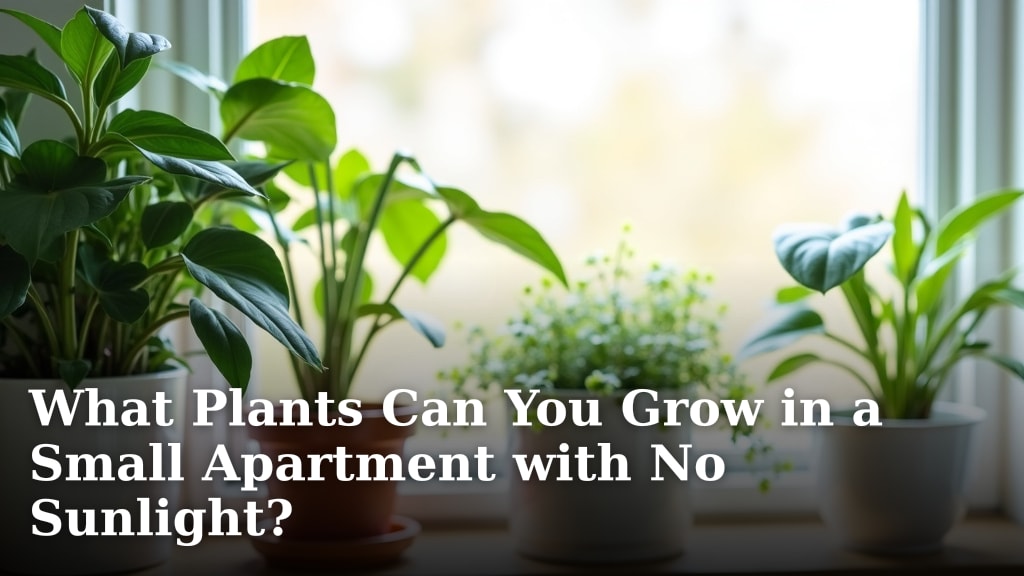
Yes, you can absolutely grow a variety of plants in a small apartment with no direct sunlight. Many low-light tolerant plants thrive indoors, making them perfect for those shadier spots. We found that you don’t need a bright, sunny window to enjoy some beautiful indoor greenery.
You might think your apartment is too dark for anything to grow, but that’s a common misconception. Plenty of houseplants are naturally adapted to environments with minimal natural light. Even a north-facing window or an interior room can be a great home for the right plant, creating a cozy, green space.
TL;DR:
- Many plants thrive with low light.
- You don’t need a sunny window.
- North-facing rooms work well.
- Create a green space anywhere.
- Patience and proper care are key.
Let’s walk through exactly how to choose and care for the best plants for your no-sun apartment, making your space feel a little more like an urban jungle.
Plants That Thrive in Dimly Lit Apartment Spaces
You’re ready to bring some green into your home, but your apartment doesn’t get much sun. Don’t worry! Many plants actually prefer less light. They are often called low-light plants, and they can make your space feel much cozier.
We’ve researched and found that several plant types are perfect for these conditions. They don’t just survive; they truly thrive. You won’t need to install special lights for them. Just a little natural ambient light is often enough.
Understanding Low Light Conditions
What exactly is “low light” for a plant? It’s not total darkness. Imagine a room where you can easily read a book during the day without turning on a lamp. That’s usually enough. A north-facing window, or a room far from any window, often provides these conditions.
Plants need light to make their food, a process called photosynthesis. But some plants are much more efficient with less light. These are your best friends when you have a darker apartment.
Identifying Your Apartment’s Light Levels
Before you buy, take a moment to observe your space. Does any sunlight ever hit the area you want to place a plant? Even a few hours of indirect light can make a difference. If you can only see shadows, that’s likely low light.
We found that rooms with no direct sun, but still some brightness, are ideal for many low-light options. Think about areas several feet away from a window, or rooms that rely on reflected light.
Top Plant Picks for Your Shady Apartment
Let’s get to the fun part: picking your new green companions! We’ve gathered some of the most popular and easy-to-care-for plants that love low light. You’ll be surprised how many options you have.
These plants are not only tolerant of dim conditions but are also generally low-maintenance. This means less work for you, which is always a bonus.
Snake Plant (Sansevieria trifasciata)
The Snake Plant is almost indestructible. It’s famous for its upright, sword-like leaves. You can forget to water it for weeks, and it will still be happy.
It’s also known to improve air quality. This plant is a true champion for beginners and busy individuals. We often see it recommended as a top choice for homes with limited light (NASA research).
ZZ Plant (Zamioculcas zamiifolia)
With its glossy, dark green leaves, the ZZ Plant adds a touch of elegance. It thrives on neglect, which is great if you travel or forget to water. It tolerates incredibly low light and infrequent watering.
Just be careful not to overwater. That’s usually the only way to harm this resilient plant. Its thick rhizomes store water, helping it endure dry spells.
Pothos (Epipremnum aureum)
Pothos is another incredibly versatile plant. It comes in many varieties, like Golden Pothos with yellow streaks or Marble Queen with white variegation. It’s a vining plant, so you can let it trail from a shelf or hang it.
It adapts to many light conditions, including low light. You’ll know it needs water when its leaves start to droop slightly. It’s a very forgiving plant.
Peace Lily (Spathiphyllum)
Want a plant that blooms in low light? The Peace Lily is your answer. It produces beautiful white “flowers” (which are actually modified leaves called spathes) that contrast with its dark green foliage.
It’s a great air purifier and will tell you when it’s thirsty by dramatically wilting. Give it a drink, and it usually perks right back up.
Cast Iron Plant (Aspidistra elatior)
As its name suggests, the Cast Iron Plant is incredibly tough. It tolerates very low light, poor soil, and neglect. Its deep green, leathery leaves add a classic touch.
If you’re looking for a plant that can withstand almost anything, this is it. It grows slowly but steadily, providing lasting greenery.
Care Tips for Your Low-Light Houseplants
Even though these plants are tough, they still need some care. The good news is that “low-light” often means “low-maintenance.” You won’t be spending hours tending to them.
Our research shows that consistency is more important than perfection. A little attention now and then goes a long way.
Watering Wisdom
This is often where new plant parents go wrong. Plants in low light use less water than those in bright light. So, it’s crucial not to overwater. Always check the soil before watering.
A good rule of thumb: stick your finger into the soil about an inch or two deep. If it feels dry, then it’s time to water. If it’s still damp, wait a few more days. Soggy soil can lead to root rot, which is a plant killer.
Fertilizing Frugality
Low-light plants don’t grow as fast, so they don’t need much fertilizer. Fertilize sparingly, maybe once or twice during the growing season (spring and summer).
Many experts say to dilute the recommended dose by half or even a quarter. Too much fertilizer can burn their roots. Think of it as a small snack, not a full meal.
Pest Patrol
Even indoor plants can get pests. Spider mites, mealybugs, and scale are common culprits. Regularly inspect your plants, especially the undersides of leaves.
If you spot any unwelcome guests, act quickly. A gentle wipe with a damp cloth or a spray of insecticidal soap (check plant compatibility first) often does the trick.
Dusting and Pruning
Leaves can collect dust, which blocks precious light. Wipe down your plant’s leaves with a damp cloth every few weeks. This helps them “breathe” better.
Prune away any yellow or dead leaves. This helps the plant focus its energy on new, healthy growth. It also keeps your plant looking tidy and attractive.
Troubleshooting Common Low-Light Plant Problems
Even with the best intentions, you might run into some issues. Don’t get discouraged! Most plant problems have simple solutions. Think of it as a learning curve.
Here’s a quick guide to help you diagnose and fix common woes. We want you to succeed with your apartment jungle!
| Problem | Possible Cause | Solution |
|---|---|---|
| Yellowing leaves | Overwatering or underwatering | Check soil moisture; adjust watering schedule. |
| Drooping leaves | Underwatering or too much light | Water thoroughly; move to a shadier spot. |
| Brown, crispy leaf tips | Low humidity or inconsistent watering | Increase humidity; maintain consistent watering. |
| Slow or no growth | Not enough light or nutrients | Consider a slightly brighter spot; fertilize sparingly. |
| Pests (small bugs) | Introduced from outside or other plants | Isolate plant; treat with insecticidal soap. |
You can see that many issues trace back to watering. That’s why it’s the number one rule for low-light plant success. Get that right, and you’re halfway there!
Creating a Green Oasis: Styling Your Space
Now that you know which plants to choose and how to care for them, let’s think about how to arrange them. Even in a small, dark apartment, you can create a beautiful green sanctuary.
Plants add life, texture, and a sense of calm. They can turn a drab corner into a focal point. You’re not just adding a plant; you’re adding a piece of living art.
Choosing the Right Pots and Stands
Pots are like outfits for your plants. Pick ones that complement your apartment’s style. Make sure they have drainage holes to prevent root rot. You can always use a decorative cachepot to hide a plain nursery pot.
Consider plant stands or hanging planters to add vertical interest. This is especially helpful in small spaces, freeing up floor space while still adding greenery. Tall plants in corners can also draw the eye upward.
Mixing Textures and Heights
Don’t be afraid to combine different types of plants. A tall Snake Plant next to a vining Pothos can create an interesting visual dynamic. Mix plants with broad leaves and those with narrow ones.
This variety adds depth and makes your plant display more appealing. It’s like composing a miniature landscape right inside your home.
A Checklist for Your Low-Light Plant Journey
- Choose plants known for low-light tolerance.
- Always check soil moisture before watering.
- Fertilize sparingly, if at all.
- Wipe leaves clean regularly to maximize light absorption.
- Inspect for pests during your routine checks.
- Prune dead or yellowing leaves to encourage new growth.
Conclusion
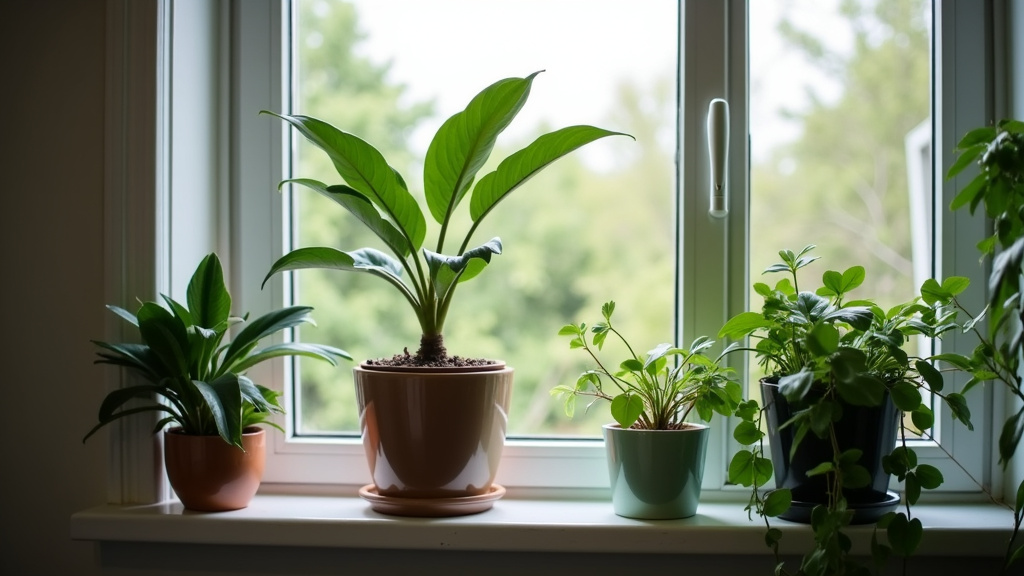
You now have all the tools and knowledge to create a thriving green space, even in the darkest corners of your small apartment. Don’t let a lack of direct sunlight deter you from enjoying the many benefits plants offer. By choosing the right low-light tolerant varieties and understanding their basic care needs, you can easily transform your home.
We’ve found that patience and observation are your best allies. Go ahead, pick a plant from our list, and start your journey toward a cozier, greener apartment today!
Frequently Asked Questions
Can I use grow lights if my apartment is really dark?
Yes, you absolutely can! While the plants we discussed tolerate low natural light, supplemental grow lights can boost their growth and health, especially in extremely dim areas. Look for full-spectrum LED grow lights for energy efficiency.
How often should I water low-light plants compared to sunny plants?
Low-light plants generally need less frequent watering than plants in brighter conditions. The soil dries out slower when there’s less light. Always check the soil moisture with your finger before watering to avoid overwatering, which is a common problem.
Will low-light plants still purify the air without much sun?
Yes, plants like Snake Plants and Peace Lilies are known for their air-purifying qualities regardless of light levels. While direct sunlight can increase photosynthesis, their ability to filter toxins still occurs even in dimmer environments.
My apartment gets some indirect light. Does that count as “low light”?
Indirect light is often considered sufficient for many low-light plants and is generally better than total darkness. If your space gets bright, diffused light without direct sunbeams, it’s actually an ideal condition for many of these plants.
What are the signs I’m giving my low-light plant too much light?
If your low-light plant starts to show bleached, scorched, or faded leaves, it might be receiving too much light. Some varieties might also appear stunted or develop brown spots. Try moving it to a shadier spot further from the window.