How to Grow Indoor Plants without Direct Sunlight?
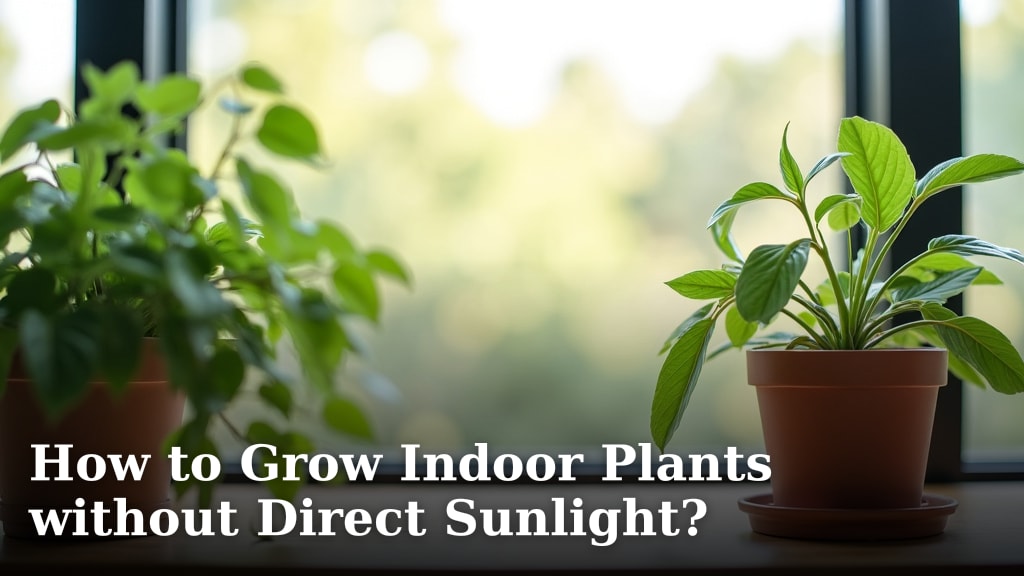
Yes, you can absolutely grow indoor plants without direct sunlight. Many beautiful houseplants actually thrive in low-light conditions, making them perfect for shadier spots in your home.
You don’t need a south-facing window to enjoy lush greenery. We found that choosing the right plants and providing proper care are key to their success.
- Choose the right low-light plant varieties.
- Understand their specific light needs.
- Learn about watering in low-light environments.
- Discover humidity and fertilization tips.
- Troubleshoot common low-light plant issues.
Ready to bring more greenery indoors, no matter how much sun you get? Let’s walk through exactly how to make your plants happy in shadier spots.
Thriving with Indoor Plants in Low-Light Environments
You might be wondering if your home, with its cozy, shaded corners, is suitable for growing plants. The good news is, absolutely! Many beautiful plants actually prefer less direct sun. We’ve found that the secret lies in understanding your plant’s needs and how light, or lack thereof, affects them.
Choosing the Best Indoor Plants for Shady Spots
The first step to success is picking the right plant for your space. Think of it like choosing the right outfit for the weather. Some plants love the beach, others prefer a cool forest. For low-light areas, you need the forest dwellers.
Top Picks for Low-Light Living
We’ve done the research to identify some real champions that thrive without direct sun. These plants are tough and forgiving, perfect for beginners and seasoned plant parents alike.
- The Snake Plant (Sansevieria trifasciata) is incredibly resilient. It tolerates very low light and irregular watering. Many experts say it’s almost impossible to kill.
- ZZ Plant (Zamioculcas zamiifolia) is another superstar. It’s known for its glossy, dark green leaves and ability to handle long periods of neglect.
- The Pothos (Epipremnum aureum), often called “Devil’s Ivy,” comes in many varieties. It’s a vining plant that looks great in hanging baskets and tolerates low light beautifully.
- Peace Lily (Spathiphyllum) produces elegant white flowers even in dim conditions. Just be careful with watering; it likes consistent moisture.
- Spider Plant (Chlorophytum comosum) is easy to grow and produces little “spiderettes” that you can propagate. It’s very adaptable to different light levels.
These are just a few examples. Many other plants will do well, but these give you a great starting point for indoor greenery without bright light.
Understanding Light: What “Low Light” Really Means
When we talk about “low light,” what exactly does that mean for a plant? It doesn’t mean no light at all. Even low-light plants need some ambient light to perform photosynthesis.
Defining Low, Medium, and Bright Indirect Light
Imagine the light in different parts of your home. We can break it down:
- Low Light: This is typically an area far from a window, or in a room with only north-facing windows. You might read comfortably during the day, but it feels dim. Plants here might survive but not grow quickly.
- Medium Light: This is usually a few feet from an east or west-facing window, or near a north-facing window. The light is consistent but not intense. Many plants are happy here.
- Bright Indirect Light: This is near a south-facing window, but with a sheer curtain, or a few feet away where direct sun doesn’t hit the leaves. This is the “sweet spot” for many houseplants.
For plants without direct sunlight, you’re aiming for that low to medium light. Your plant’s leaves are little solar panels, so giving them consistent, even if dim, light is important.
Essential Care Tips for Low-Light Indoor Plants
Growing plants in low light isn’t just about choosing the right variety. Their care routine needs to adjust to their environment. Less light often means less water and nutrients are needed.
Watering Wisdom: Less Is Often More
This is probably the most common mistake we see with low-light plants: overwatering. Without strong sunlight, plants use less water. Their soil stays wet longer, which can lead to root rot.
- Always check the soil moisture before watering. Stick your finger about an inch or two into the soil. If it feels damp, wait.
- Allow the top inch or two of soil to dry out completely for most low-light plants. Some, like the ZZ plant, prefer even drier conditions.
- When you do water, water thoroughly until it drains from the bottom. Then, empty any excess water from the saucer.
Think of it like this: a person resting needs less food than someone running a marathon. Your low-light plant is relaxing, so it doesn’t need as much “drink” as a plant basking in the sun.
Humidity and Air Circulation: Creating a Happy Home
Even without direct sun, plants still appreciate good air quality and appropriate humidity. Many houseplants come from tropical regions and enjoy a bit of moisture in the air.
- Consider a small humidifier if your home is very dry, especially in winter.
- Misting leaves can offer a temporary humidity boost, but it’s not a long-term solution.
- Ensure good air circulation to prevent fungal issues, especially if the air is humid.
We found that a small fan can make a big difference, gently moving air around your plants without creating a strong draft.
Fertilizing Finesse: Slow and Steady Wins the Race
Just like with water, plants in low light grow more slowly, so they need fewer nutrients. Over-fertilizing can harm their roots.
- Fertilize only during the growing season (spring and summer).
- Use a diluted liquid fertilizer, perhaps at half or quarter strength, every 2-4 months.
- Do not fertilize a stressed or dormant plant.
Many experts suggest that for low-light plants, it’s better to under-fertilize than to over-fertilize (National Gardening Association).
Pest Patrol: Keep an Eye Out
Even though your plants aren’t in direct sunlight, pests can still find them. Stress can make plants more susceptible.
- Regularly inspect the tops and bottoms of leaves for any signs of pests.
- Wipe leaves with a damp cloth to keep them clean and prevent dust buildup.
- Address any pest issues quickly with appropriate, often organic, treatments.
Clean leaves also help the plant absorb what little light is available more efficiently.
Troubleshooting Common Low-Light Plant Problems
Even with the best intentions, you might encounter a few hiccups. Don’t worry, many issues are easy to fix once you know what to look for.
| Problem | Likely Cause in Low Light | Solution |
|---|---|---|
| Yellowing Leaves | Overwatering, nutrient deficiency (less common) | Reduce watering frequency; check soil before watering. |
| Stunted Growth | Not enough light, under-fertilizing (rare) | Move to a slightly brighter spot; ensure consistent ambient light. |
| Leggy Stems (stretched out) | Searching for more light | Move closer to a light source; prune to encourage bushiness. |
| Brown Leaf Tips | Low humidity, inconsistent watering | Increase humidity; maintain consistent watering schedule. |
| Drooping Leaves | Underwatering OR overwatering (check soil!) | Feel the soil to determine if it’s dry or waterlogged. |
Boosting Light for Your Indoor Plants (Without Direct Sun)
What if your “low-light” area is really, really dim? You still have options! You don’t need a massive grow light setup to help your plants.
Consider Supplemental Lighting
Small, affordable LED grow lights can make a huge difference. They don’t generate much heat and can provide the specific spectrum of light your plants need for photosynthesis.
- Look for full-spectrum LED lights.
- Place them a foot or two above your plants.
- Use a timer to give your plants 10-12 hours of light per day.
We’ve found that even a few hours under an LED can perk up a struggling plant. It’s like giving them a little energy drink.
Reflect and Rotate
Every little bit of light helps. You can maximize the light your plants get by being strategic.
- Place plants near light-colored walls or mirrors to reflect ambient light.
- Keep windows clean to allow maximum light penetration.
- Rotate your plants weekly so all sides get some exposure to the light. This promotes even growth.
It’s like making the most of a cloudy day; every little ray counts for your plant.
Your Low-Light Plant Success Checklist
Ready to turn your shaded spots into lush green oases? Here’s a quick checklist to keep you on track:
- Choose plants specifically known for low-light tolerance.
- Understand your home’s light zones and match plants accordingly.
- Water less frequently, allowing soil to dry between waterings.
- Maintain adequate humidity, especially in dry environments.
- Fertilize sparingly during the growing season with diluted nutrients.
- Regularly inspect plants for pests and signs of stress.
With these guidelines, you’re well on your way to enjoying a vibrant indoor garden, no matter how much natural sunlight streams through your windows.
Conclusion
Growing indoor plants without direct sunlight is not only possible but can also bring immense joy and beauty into your home. By thoughtfully selecting the right low-light varieties and adjusting your care routine to suit their environment, you can create thriving green spaces. Remember, less light means less water and less frequent fertilization.
You now have the knowledge to turn even the shadiest corners into vibrant havens. Start with one of our recommended plants, observe its needs, and adjust its care as you go. You’ll soon discover the rewarding experience of nurturing happy, healthy plants in any light condition.
Frequently Asked Questions
Can any plant survive without sunlight?
No, no plant can survive without any light at all. Even plants that tolerate “low light” still need some ambient light to perform photosynthesis. They just need much less than plants that thrive in bright, direct sun.
How often should I water low-light plants?
You should water low-light plants less frequently than those in brighter spots. Always check the soil moisture by sticking your finger an inch or two deep. Water only when the topsoil feels dry to the touch, and ensure good drainage to prevent root rot.
Do low-light plants still need fertilizer?
Yes, but sparingly. Low-light plants grow slower, so they need fewer nutrients. Fertilize only during their active growing season (spring and summer) using a diluted liquid fertilizer, perhaps every 2-4 months at half or quarter strength.
What are the signs a low-light plant is not getting enough light?
Common signs include leggy, stretched-out stems as the plant reaches for light, stunted growth, and smaller-than-usual leaves. You might also notice a loss of vibrant color in variegated plants. Try moving it closer to an indirect light source.
Can I use artificial lights for my low-light plants?
Absolutely! Small, full-spectrum LED grow lights are an excellent way to supplement light for your low-light plants. They can be placed a foot or two above the plant and used with a timer for 10-12 hours a day to encourage healthier growth.