
What Is the Most Cost Effective Grow Light for Beginners?
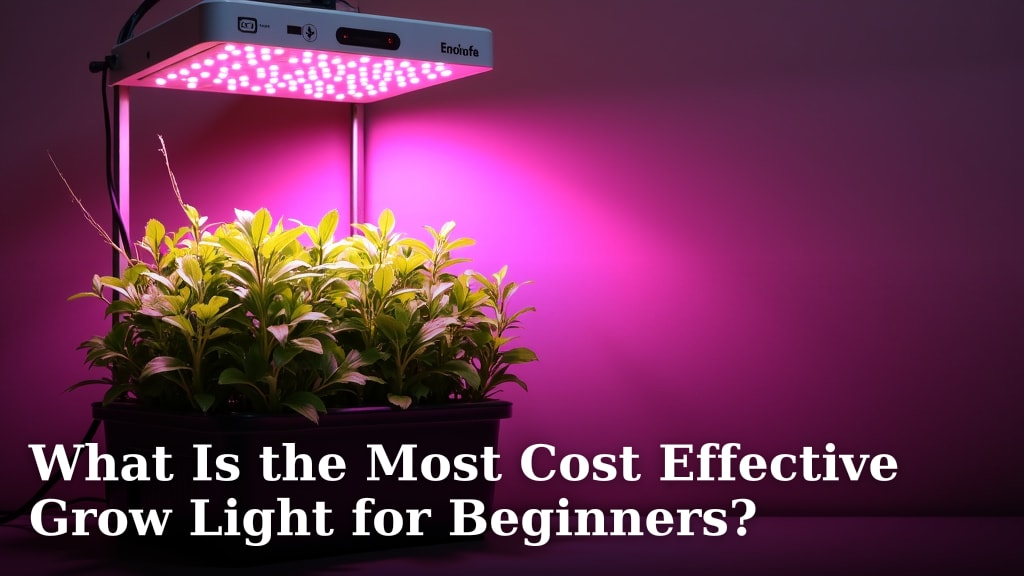
For beginners looking for the most cost effective grow light, LED grow lights are generally your best bet. They offer a great balance of affordability, energy efficiency, and plant growth. You get solid results without breaking the bank.
When you’re starting out, finding the right light can feel overwhelming. Many new growers find that full-spectrum LED panels are both easy to use and gentle on your wallet. We’ve found they provide the necessary light wavelengths for healthy plant development from seed to harvest.
- LED grow lights are usually the most budget-friendly choice.
- They save money on electricity bills over time.
- Look for full-spectrum options for best plant growth.
- Avoid older technologies like HPS for beginners.
Let’s walk through why LEDs are so effective for new growers and what to look for when you’re ready to buy your first grow light.
What’s the Most Economical Grow Light for Your First Indoor Garden?
You’re ready to grow, and you’re wondering which light won’t empty your pockets. For beginners, LED grow lights stand out as the most economical choice. They offer an ideal mix of low initial cost and ongoing energy savings, making them perfect for your first indoor setup. We’ve seen many new growers succeed by starting with LEDs.
LEDs beat out older technologies like HID or fluorescent lights. Why? They’re cheaper to run, last much longer, and don’t produce as much heat. This means less money spent on electricity and fewer worries about cooling your grow space.
Understanding Grow Light Costs: More Than Just the Price Tag
When you’re thinking about “cost-effective,” it’s easy to just look at the upfront price. But that’s only part of the story. A truly cost-effective grow light considers several factors over its lifespan.
- Initial Purchase Price: What you pay for the light itself.
- Energy Consumption: How much electricity it uses daily.
- Lifespan: How long the light will last before needing replacement.
- Heat Output: High heat means higher cooling costs.
Ignoring these factors can lead to unexpected expenses down the road. For example, a cheap fluorescent light might seem like a bargain, but its energy use and frequent bulb changes add up quickly.
The Hidden Costs of High Heat Output
High heat isn’t just uncomfortable; it’s expensive. Lights that produce a lot of heat, like traditional HPS (High-Pressure Sodium) lamps, often require extra fans or even air conditioning to keep your plants happy. This means more money on electricity bills for cooling, on top of the light itself.
LEDs, on the other hand, produce significantly less heat. This can save you a good amount of cash on climate control. Many growers find their ambient room temperature is enough with LEDs, avoiding the need for dedicated cooling systems.
Why LEDs Are a Beginner’s Best Friend for Budget Growing
We consistently recommend LEDs for new growers focused on cost-effectiveness. They strike a fantastic balance. You get excellent plant growth without a huge investment or ongoing financial drain.
The technology behind LEDs has advanced rapidly. Modern LED grow lights are more efficient and more affordable than ever before. This makes them accessible to almost anyone starting an indoor garden.
Energy Efficiency: Saving Money Every Day
This is where LEDs truly shine. They convert a high percentage of electrical energy into usable light for plants, wasting very little as heat. Think of it like this: if you’re trying to grow a tomato, you want your light to mostly make light, not heat your room.
This efficiency translates directly to lower electricity bills. Over months and years, these savings add up considerably. We’ve seen reports where growers cut their lighting energy costs by 30-50% by switching to LEDs (U.S. Department of Energy).
Long Lifespan: Fewer Replacements, More Savings
LED grow lights are built to last. Many models boast lifespans of 50,000 hours or more. What does that mean for you? It means you won’t be buying new bulbs every year or two.
Compare this to HPS bulbs, which need replacing annually for optimal performance, or fluorescents, which also have a shorter useful life. LEDs might have a slightly higher initial cost than some older options, but their longevity makes them cheaper in the long run.
What Kind of LED Grow Light Should a Beginner Look For?
Not all LEDs are created equal, especially when you’re on a budget. As a beginner, you want something straightforward, effective, and not overly complicated.
We’ve found that full-spectrum LED panels are usually the best choice. They provide all the necessary light wavelengths for your plants to thrive, from seedling to flowering. You won’t need to switch lights as your plants grow.
Full-Spectrum vs. “Blurple” Lights
You might see some LEDs advertised as “blurple” lights – named for their blue and red light output. While these can work, full-spectrum LEDs are generally preferred.
- Full-spectrum LEDs mimic natural sunlight, making them easier for plants to use. They look white or slightly warm yellow.
- “Blurple” lights only provide specific colors (blue for vegetative growth, red for flowering). While effective, they don’t offer the full range of light spectrum. Many beginners find full-spectrum lights easier to manage and less harsh on the eyes.
Understanding Wattage and Coverage Area
When buying an LED, look for its true wattage draw from the wall, not just the “equivalent” wattage. This tells you how much power it actually uses. The wattage you need depends on the size of your grow space.
As a rule of thumb, for a small beginner setup (like a 2×2 or 2×4 foot grow tent), an LED pulling around 100-200 true watts is often sufficient. Check the manufacturer’s recommended coverage area to ensure it matches your space.
A Quick Comparison: LED vs. Other Grow Light Types
Let’s briefly compare how LEDs stack up against other common grow light technologies. This table should help you visualize why LEDs come out on top for beginners looking for cost-effectiveness.
| Light Type | Initial Cost | Energy Efficiency | Lifespan | Heat Output | Beginner Friendliness |
|---|---|---|---|---|---|
| LED Grow Lights | Moderate | Excellent | Very Long | Low | High |
| HID (HPS/MH) | Moderate | Good | Short-Medium | High | Moderate (needs cooling) |
| Fluorescent (T5/CFL) | Low | Fair | Medium | Low-Medium | High (but less intense) |
As you can see, LEDs generally provide the best all-around value. They might not always have the lowest initial cost, but their long-term savings make them the most economical choice.
Checklist for Choosing Your First Cost-Effective LED Grow Light
Ready to make a choice? Here’s a quick checklist to guide you:
- Look for “full-spectrum” LEDs for versatile plant growth.
- Confirm the true wattage draw (not just “equivalent”).
- Ensure the light’s coverage area matches your grow space.
- Read reviews from other beginners – what was their experience?
- Check for a good warranty (at least 1-3 years is ideal).
- Compare prices and features from a few different reputable brands.
Taking a few moments to go through this list can save you headaches and money. We want your first grow to be a success, and the right light is a huge part of that!
Setting Up Your LED Grow Light: Simple Steps for Beginners
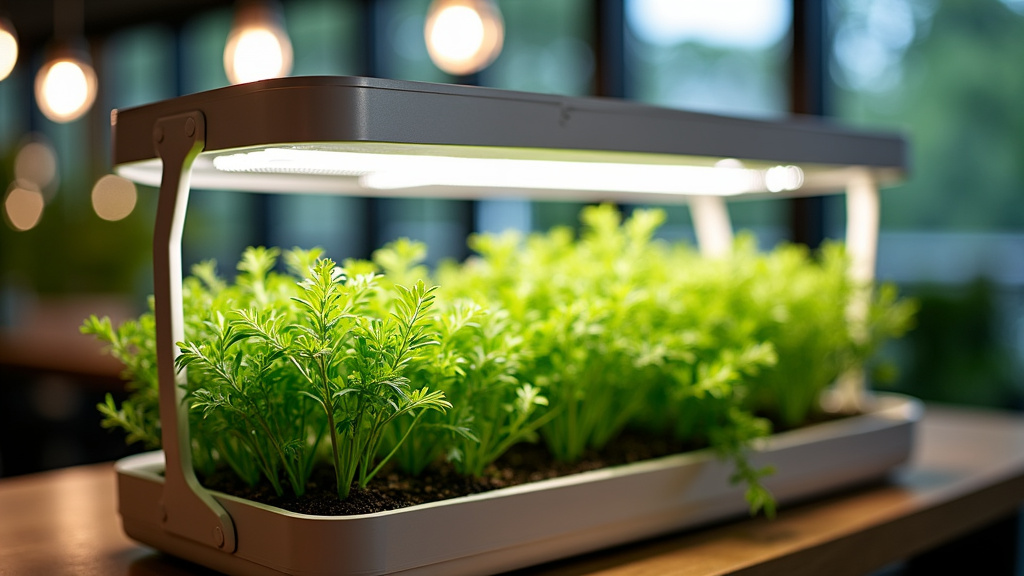
One more reason why LEDs are great for beginners is their ease of setup. Most LED panels are relatively lightweight and come with simple hanging kits. You won’t need specialized electrical knowledge or complex ventilation systems.
Just hang your light, plug it in, and adjust the height according to your plant’s growth stage and the manufacturer’s recommendations. It’s often as simple as that. This “plug-and-play” aspect is a huge plus for anyone just starting out.
Remember to keep a consistent light schedule for your plants. A simple timer can handle this for you. Most plants thrive on 18 hours of light during their vegetative stage and 12 hours during flowering, but this can vary by plant type.
Conclusion
Choosing the right grow light as a beginner doesn’t have to be complicated or expensive. We’ve seen that LED grow lights offer the best blend of affordability and performance for your first indoor garden. They save you money upfront and significantly reduce ongoing electricity costs, all while providing your plants with the light they need to flourish.
By focusing on full-spectrum LEDs with appropriate wattage for your space, you’re setting yourself up for success. Don’t let the choices overwhelm you. Take that first step, pick a quality LED, and watch your indoor garden thrive without draining your wallet!
Frequently Asked Questions
How much does a good beginner LED grow light cost?
For a small setup (like a 2×2 or 2×4 foot area), you can expect to find a reliable full-spectrum LED grow light in the $70-$150 range. Prices vary based on brand, features, and true wattage, but this provides a good starting point for your budget.
Can I use regular LED household bulbs to grow plants?
While some growth might occur, regular household LED bulbs are not ideal for robust plant growth. They lack the specific light spectrum and intensity that plants need for healthy development from seed to harvest. Dedicated LED grow lights are formulated to provide the optimal light wavelengths.
How close should I place my LED grow light to my plants?
The ideal distance varies by light model and plant stage. As a general rule, many beginner LEDs are placed 18-24 inches above seedlings and can be lowered to 12-18 inches for mature plants. Always check your specific grow light’s manual for recommended hanging heights.
Do LED grow lights really save money on electricity?
Yes, absolutely! Our research shows that LED grow lights are significantly more energy-efficient than older technologies like HPS or CFLs. They convert more electricity into usable light and less into wasted heat, which translates to noticeably lower electricity bills over time.
What is “full-spectrum” and why is it important for beginners?
Full-spectrum light mimics natural sunlight, providing plants with all the wavelengths they need for every growth stage. For beginners, this is important because it means you don’t need to buy different lights for vegetative growth and flowering, simplifying your setup and ensuring consistent plant health.
