
What Is the Best Grow Light Distance for Seedlings?
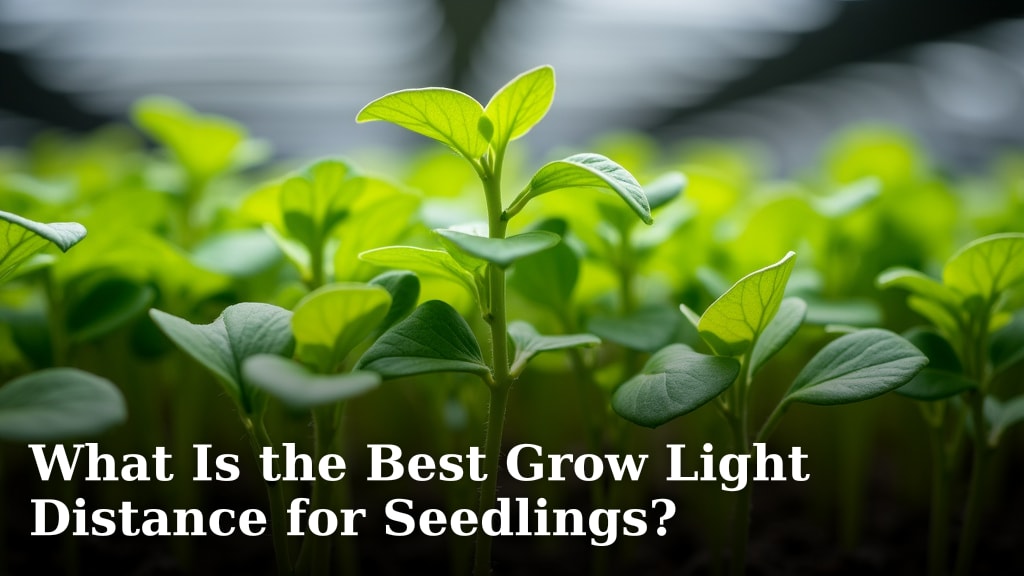
When starting seeds indoors, the best grow light distance for seedlings is typically 2-4 inches above the plant tops. This close proximity ensures your tiny plants get enough light energy to grow strong and healthy, preventing them from becoming tall and spindly. Getting this right is key for a successful start to your gardening season.
Seedlings need plenty of light, but too much can cause heat stress or burning. Finding that sweet spot means your seedlings will develop robust stems and deep green leaves, setting them up for a great transplanting day. This distance can vary slightly based on the type of grow light you’re using, so it’s always good to know your specific light’s intensity.
- Seedling lights should be 2-4 inches away.
- This distance prevents legginess and burning.
- Adjust based on your grow light’s power.
- Proper distance leads to strong, healthy plants.
Let’s walk through exactly how to find that perfect distance for your seedlings and keep them happy and thriving.
You’ve got your seedlings started, and they’re looking so promising! Now comes the art of lighting them just right. It’s a delicate balance, isn’t it? Too far, and they get leggy. Too close, and they might get scorched. Let’s figure out that perfect grow light distance for your little green sprouts.
Finding the Sweet Spot: Grow Light Height for Young Plants
Determining the ideal grow light distance for seedlings is all about matching light intensity to your plants’ needs. Think of it like finding the perfect spot on a sunny windowsill. You don’t want them baking in direct midday sun, but you also don’t want them in a dark corner. Research and gardening experts generally recommend keeping lights 2 to 4 inches above the tops of your seedlings (National Gardening Association).
This close proximity is generally for seedling growth stages. It ensures they receive adequate Photosynthetically Active Radiation (PAR). This is the light spectrum plants use for photosynthesis. Higher intensity lights require a greater distance. Lower intensity lights need to be closer. Always consult your light’s manufacturer recommendations if available.
Why Distance Matters So Much for Seedlings
Seedlings are incredibly sensitive. They are just starting their journey and haven’t developed sturdy stems or a full set of leaves yet. The light distance directly impacts their development in a few key ways:
- Preventing Legginess: If lights are too far away, seedlings stretch out in search of more light. This causes them to become tall, thin, and weak, a condition known as “legginess.” These spindly plants often can’t support themselves.
- Avoiding Light Burn: Conversely, placing lights too close can cause heat stress and physical damage. Even LED lights can generate enough heat to burn delicate seedling leaves. This looks like brown or crispy edges on the leaves.
- Encouraging Stocky Growth: The right distance provides enough light energy for robust, compact growth. Your seedlings will develop thick stems and healthy, deep green leaves. They’ll look strong and ready to go.
Understanding Light Intensity and Heat Output
Not all grow lights are created equal. The wattage, type, and brand of your light fixture will determine its intensity and how much heat it produces. This is a major factor in setting the correct distance.
LED Grow Lights
LEDs are very popular for seedling growth. They are energy-efficient and produce less heat than older lighting technologies. Because they run cooler, you can often place LEDs closer to your plants. For most full-spectrum LED panels designed for seedlings, the 2-4 inch range is a good starting point. Our guide on whether you can use regular LED lights to grow plants discusses their suitability for seedlings.
However, even LEDs have different spectrums and intensities. Some high-output LEDs might still require a bit more distance. Always check the manufacturer’s specifications. They will often provide a recommended hanging height for seedlings and mature plants. Many growers find that a 2-inch gap is perfect for many LED setups.
Fluorescent Grow Lights (T5 and CFLs)
Fluorescent lights, like T5 fluorescents and Compact Fluorescent Lamps (CFLs), are also common for starting seeds. T5 bulbs are generally more efficient and produce less heat than CFLs. They are a great, budget-friendly option.
Fluorescent lights typically produce less intense light than many LEDs. This means they can often be placed closer to the seedlings. For T5 fluorescent fixtures, a distance of 3-6 inches is often cited. CFLs, which can get a bit warmer, might need a slightly larger gap, perhaps 4-8 inches, depending on their wattage and how many are clustered together.
Other Light Types (HID, etc.)
High-Intensity Discharge (HID) lights, such as Metal Halide (MH) and High-Pressure Sodium (HPS), are typically too powerful and too hot for delicate seedlings. These are more suited for the vegetative or flowering stages of mature plants. If you happen to be using them, you would need to maintain a much greater distance, often 12 inches or more. For seedlings, it’s generally best to stick with LEDs or fluorescents.
How to Test and Adjust Your Grow Light Distance
The best way to find that perfect distance is by observing your plants and making adjustments. It’s a bit of a hands-on approach. Think of yourself as a light-level detective!
The Hand Test: A Quick and Easy Method
This is a time-honored method many gardeners use. Place the back of your hand between the grow lights and the tops of your seedlings. Hold it there for 30 seconds to a minute.
- If your hand feels comfortable and not too warm: The lights are likely at a good distance.
- If you feel significant heat or discomfort: The lights are too close. Raise them immediately.
- If your hand feels cool with no heat: The lights might be too far away, especially if your plants are already showing signs of stretching.
This test works because your skin is sensitive to heat. It gives you an immediate sensory feedback. It’s a great way to get a baseline. Remember, seedlings are more sensitive than your hand, so if it feels warm to you, it’s definitely too warm for them.
Visual Cues: What Your Seedlings Are Telling You
Your plants are remarkably good communicators. You just need to learn their language. Pay close attention to their appearance.
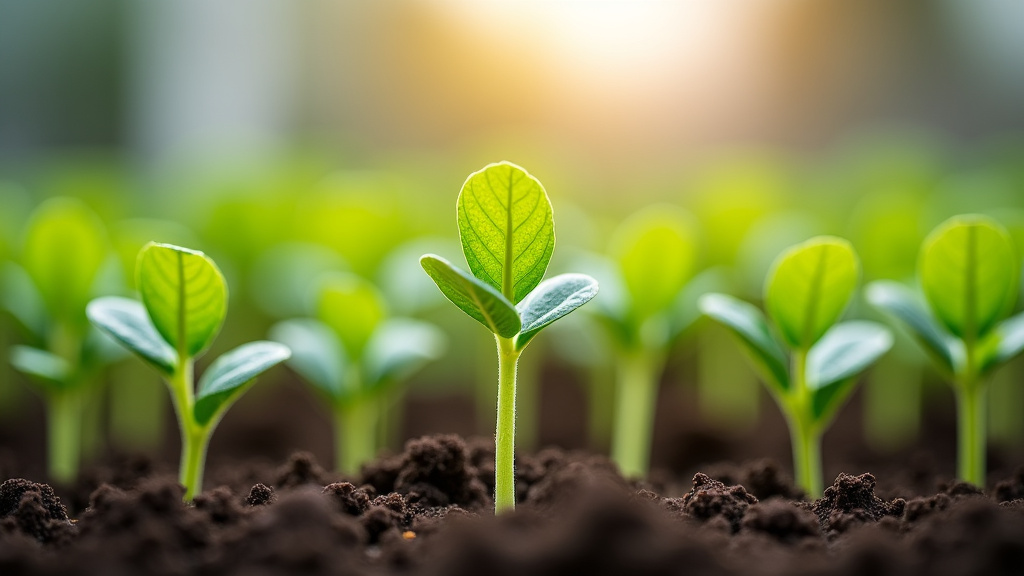
- Healthy Seedlings: They will be short, stocky, and have vibrant green leaves. The stem will be sturdy. They look solid and well-proportioned.
- Stretching (Leggy): If seedlings are getting tall and thin with large gaps between their leaves, the lights are too far away. You’ll see them leaning towards the light source.
- Wilting or Yellowing: If the leaves are drooping, curling, or developing brown spots or crispy edges, the lights are likely too close. They might also appear yellowed or bleached.
These visual cues are your most important indicators. Don’t be afraid to make small adjustments, an inch here or there, and then observe for a day or two. Patience is key.
Using a Light Meter (Optional but Helpful)
For those who want to be more precise, a light meter can be a helpful tool. These devices measure the amount of light falling on a specific area. You can measure the light intensity at the canopy level of your seedlings.
Many horticulturalists recommend a light intensity of around 100-300 PPFD (Photosynthetic Photon Flux Density) for seedlings. You can use a meter to ensure you are within this range. This takes some of the guesswork out of it. It’s especially useful if you have very powerful lights.
Adjusting Lights for Different Growth Stages
The ideal distance isn’t static. It needs to change as your seedlings grow. What’s perfect for a tiny sprout is too close for a plant with a few sets of true leaves.
From Germination to True Leaves
Right after germination, seedlings are at their most delicate. They’ve just emerged from the seed coat and have only their first baby leaves (cotyledons). During this initial stage, keeping the lights at the lower end of the recommended range (e.g., 2-3 inches for LEDs) is usually best. This ensures maximum light energy for initial development.
As Seedlings Develop
Once your seedlings have developed their first set of “true leaves” (the leaves that resemble the adult plant’s foliage), they can tolerate slightly more light and might need the lights raised a little. This is when you might move to the higher end of the range (e.g., 3-4 inches for LEDs) or slightly more for fluorescents. As they get bigger and their stems grow longer, you’ll need to continue raising the lights to maintain that optimal distance.
A good rule of thumb is to raise the lights whenever you see the plants reaching towards them or when the plant height significantly increases between light adjustments. A consistent observation routine will help you stay ahead of their growth.
Common Pitfalls to Avoid
Even with the best intentions, it’s easy to make a few common mistakes when setting up your seedling lights. Being aware of these can save you from a lot of frustration.
- Setting and Forgetting: The biggest mistake is placing your lights and never adjusting them. Seedlings grow quickly, and their light needs change daily.
- Using the Wrong Light Type: Trying to start seeds under a standard household bulb or a grow light not designed for vegetative growth can lead to poor results.
- Ignoring Heat: Even LED lights can generate heat, especially if they are enclosed or have fans running. Always check for warmth.
- Overwatering/Underwatering: While not directly related to light distance, these common seedling issues can be exacerbated by poor lighting. Stressed plants are less forgiving.
Think of it like a parent adjusting their child’s car seat. As they grow, the seat needs to be adjusted. Your seedlings are no different. Regular checks and gentle adjustments are your best friends.
A Quick Checklist for Optimal Seedling Lighting
Here’s a simple checklist to help you get it right:
- Check your grow light’s manufacturer recommendations for seedlings.
- Start with lights 2-4 inches above seedling tops (adjust for light type).
- Perform the “hand test” to check for heat.
- Watch seedlings for signs of stretching or burning.
- Raise lights gradually as seedlings grow taller.
- Adjust lights every few days if needed.
Conclusion
Getting the grow light distance right for your seedlings is a simple but vital step. You’ve learned that the 2-4 inch sweet spot is a great starting point, especially for LEDs, and that visual cues like stretching or leaf crispiness are your best guides. Remember to always observe your plants and adjust your lights as they grow, performing the hand test regularly. By paying attention to these details, you’re setting your young plants up for a strong start, ensuring they develop robust stems and healthy leaves ready for their next stage of growth. Keep observing, keep adjusting, and you’ll have sturdy seedlings in no time!
Frequently Asked Questions
How often should I adjust my grow lights for seedlings?
You should check and potentially adjust your grow lights every 2-3 days. Seedlings grow quickly, and their height can change significantly in just a few days. Maintaining the optimal distance prevents legginess and avoids burning.
Can I use my regular household lamps as grow lights for seedlings?
Regular household lamps, like incandescent or standard LEDs, usually don’t provide the right spectrum or intensity of light that seedlings need. They often lack the necessary Photosynthetically Active Radiation (PAR) and can lead to weak, leggy growth.
What if my seedlings are starting to lean towards the light?
If your seedlings are leaning, it’s a clear sign they are stretching for more light, meaning your grow lights are too far away. Immediately lower your lights to the recommended 2-4 inch distance to encourage more direct and sturdy growth.
Is the 2-4 inch rule different for different types of seedlings?
While 2-4 inches is a general guideline, some very delicate seedlings might benefit from being at the higher end of that range initially. Conversely, very robust seedlings might tolerate the lower end. Always observe your specific plants.
My LED lights don’t feel hot, so can I place them very close?
Even though LEDs produce less heat than older lights, they can still cause light burn or stress if placed too close. It’s best to stick to the recommended 2-4 inch distance and use the hand test or visual cues to ensure it’s perfect for your specific seedlings.
