Is Indoor Gardening Expensive?
On this page (6 sections)
Is indoor gardening expensive? The answer is: it doesn’t have to be. While you can certainly spend a lot on fancy equipment, starting an indoor garden can be surprisingly affordable. Many common household items can be repurposed, and basic supplies are often budget-friendly.
Many people imagine a high-tech setup with grow lights and hydroponic systems when they think of indoor gardening. This can indeed add up. But research and found that simpler methods exist. You can grow herbs and vegetables on a small budget with just a sunny windowsill and some basic pots.
- Indoor gardening can be cheap if you start small.
- You don’t need expensive gear to get started.
- Sunny windowsills are your best free tool.
- Repurposing household items saves money.
- Growing herbs is a great low-cost option.
We’ll walk you through how to set up your own indoor garden without breaking the bank. Let’s get those green thumbs working! We’ll walk you through how to set up your own indoor garden without breaking the bank.
When you picture indoor gardening, do you see a sprawling greenhouse or a high-tech setup with blinking lights and whirring pumps? It’s easy to think that growing plants indoors automatically means a huge financial commitment. But what if I told you that you can absolutely grow your own food and beautiful greenery without spending a fortune?
Starting Your Indoor Garden on a Budget
You can indeed start an indoor garden without needing to take out a loan. Many common items around your house can be repurposed. Basic gardening supplies are often quite affordable. Think of it like this: you’re not buying a whole new hobby, you’re just giving some old things a new purpose!
The Essential Starting Gear: What You Really Need
Let’s break down the absolute must-haves for any indoor garden. You’ll find that these core items are surprisingly easy on your wallet.
Containers for Your Plants
You might have a collection of plastic containers, old yogurt cups, or even tin cans gathering dust. These can make excellent starting pots! Just be sure to poke some drainage holes in the bottom. Without drainage, your plant’s roots can drown. Research suggests proper drainage is key for plant health (NCBI).
If you do need to buy pots, look for inexpensive plastic ones. Terracotta pots are lovely, but they dry out faster, meaning you’ll water more often. For a budget-friendly start, plastic is your friend. You can often find multipacks of small pots for just a few dollars.
The Right Soil for the Job
You can’t just use dirt from your backyard; it compacts too much in pots. You’ll need a good quality potting mix. Bagged potting soil is readily available at garden centers and even grocery stores. Look for brands that mention they are for containers or indoor plants.
A standard bag of potting mix usually costs between $5 and $15. This bag can fill many small pots, making it a cost-effective choice. Some gardeners swear by mixing in perlite or vermiculite to improve drainage, but for beginners, a good all-purpose potting mix is perfectly fine. You can always upgrade later if you get more serious.
Seeds or Seedlings: Where to Start
Starting from seed is almost always the cheapest option. A packet of seeds can contain dozens or even hundreds of potential plants for under $5. You’ll have to wait longer for them to grow, but the cost savings are significant. Think of it as a patient gardener’s reward!
If you’re eager to get growing faster, you can buy small starter plants, often called seedlings or “starts.” These are more expensive per plant, but they give you a head start. Many nurseries and even some supermarkets sell these in spring and summer. For a budget garden, focus on seeds!
Lighting: Making the Most of What You Have
This is often where people think costs skyrocket. But do you really need fancy grow lights right away? Not necessarily!
The Power of a Sunny Windowsill
Your sunniest windowsill is your most powerful and completely free tool. South-facing windows in the Northern Hemisphere typically receive the most direct sunlight throughout the day. Many herbs and some vegetables, like lettuce and spinach, can thrive with just a few hours of good sunlight each day. We found that plants like basil, mint, and chives do exceptionally well on a bright windowsill.
Consider the direction your windows face. East-facing windows get morning sun, which is great for some plants. West-facing windows get strong afternoon sun, which can be too intense for delicate seedlings. North-facing windows offer the least direct light, best suited for low-light houseplants.
When Supplemental Light Might Be Needed
If your home doesn’t get enough natural light, or if you want to grow plants that need more intense light (like tomatoes or peppers), you might need supplemental lighting. But this doesn’t have to be expensive. You can find affordable LED grow lights that use less energy and produce less heat than older types of lights. You can often find basic LED grow bulbs that fit into standard lamps.
A simple clamp lamp with an LED grow bulb can be purchased for around $20-$30. This is a one-time investment that can dramatically improve your gardening success, especially in darker months. Many sources suggest LED lights are the most energy-efficient option for indoor gardening (USDA).
Watering Your Indoor Garden: Simple and Cheap
Water is essential for plant life, but keeping your plants hydrated doesn’t need a complex system.
Basic Watering Techniques
A simple watering can or even a repurposed plastic bottle with holes poked in the cap will do the trick. The key is to water consistently. Check your soil moisture by sticking your finger about an inch deep. If it feels dry, it’s time to water. If it feels moist, wait a bit longer.
Overwatering is a common mistake that can harm plants. Many experts advise watering until you see a little water drain from the bottom of the pot, then emptying any excess water from the saucer (Gardening Know How). This ensures the roots get moisture without sitting in water.
Self-Watering Pots: A Smart Upgrade
If you tend to forget to water or travel often, self-watering pots can be a good investment. These pots have a reservoir at the bottom that wicks water up to the soil as needed. You can find them at garden stores, and while they cost a bit more upfront than basic pots, they can save you headaches and prevent plant loss.
You can even find DIY tutorials online to make your own self-watering containers using plastic bottles, which can be a fun and frugal project. This is a great example of how a little creativity can save you money.
Affordable Plants to Grow Indoors
Some plants are naturally better suited for indoor growing and are more forgiving for beginners. Focusing on these can keep your initial investment low and your success rate high.
Herbs: The Beginner’s Best Friend
Herbs are fantastic for indoor gardening because they are relatively small, grow quickly, and many don’t require intense sunlight. Plus, who doesn’t love fresh herbs for cooking? You’ll save money compared to buying fresh herbs at the grocery store.
Popular and easy-to-grow options include:
- Basil
- Mint (can be invasive, so best kept in its own pot!)
- Parsley
- Chives
- Cilantro
- Oregano
Leafy Greens: Quick and Rewarding
Lettuce, spinach, arugula, and kale can all be grown indoors. They tend to grow faster than fruiting plants and don’t need as much direct light as, say, a tomato plant.
You can grow them in shallow containers or window boxes. Many varieties are “cut-and-come-again,” meaning you can harvest the outer leaves, and the plant will continue to grow. This gives you a continuous harvest from a single planting. Research indicates that continuous harvesting can extend the yield from your plants (University Extension Services).
Root Vegetables: A Bit More Space Required
While most root vegetables like carrots and potatoes need more space and light, some smaller varieties can be grown indoors. Radishes are a great option as they grow very quickly, often ready for harvest in less than a month. You’ll need a slightly deeper pot for these.
Sweet potatoes can also be grown indoors, though they tend to take up more space. The focus here is on choosing varieties that are compact or known for faster growth. When selecting plants, think about the size of the pot you have available. A shallow container won’t be suitable for a plant that needs deep roots.
Saving Money with DIY and Repurposing
This is where the real savings can happen. Your creativity is your greatest asset.
Repurposing Household Items
Think outside the basic pot. Old plastic bottles, food containers, buckets, even old shoes can be transformed into planters. Just remember to add those drainage holes! Old colanders can also make excellent planters with built-in drainage.
Light fixtures can be adapted for plant use. Old desk lamps can be fitted with grow bulbs. Even a simple shelf can be turned into a “grow station” with the right lighting added. This approach cuts down significantly on the need to buy specialized gardening equipment.
Making Your Own Fertilizer and Soil Amendments
While you might buy initial potting soil, you can supplement and improve it over time without much cost. Composting kitchen scraps (like vegetable peels and coffee grounds) can create nutrient-rich material for your plants. Many guides suggest that a simple compost bin can be made from an old plastic bin (EPA).
Coffee grounds, when used in moderation, can add nitrogen to the soil. Eggshells, when crushed finely, can add calcium. Research points out that while these home amendments can be beneficial, it’s important to use them correctly to avoid imbalances (Michigan State University Extension).
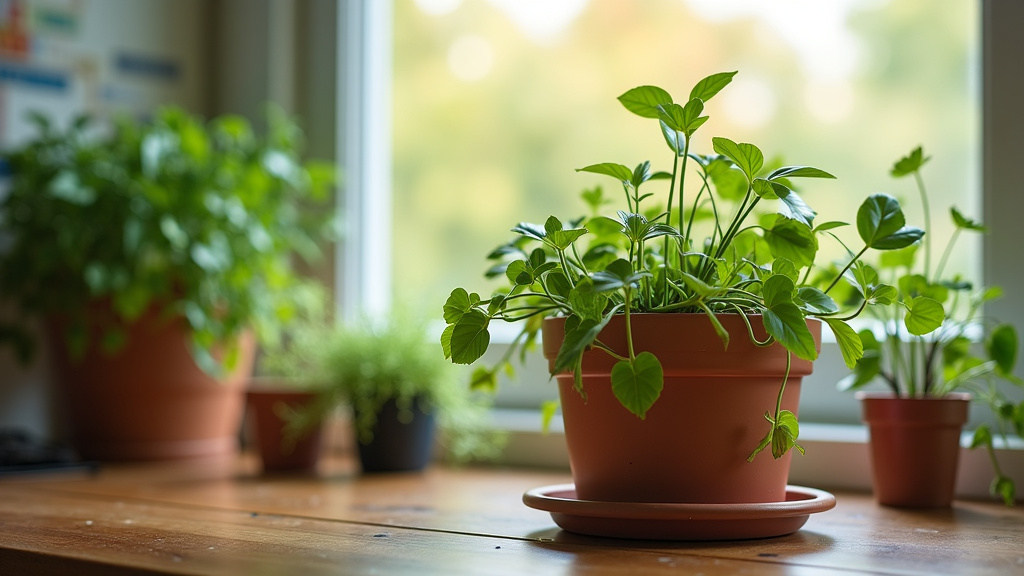
Your Indoor Garden Success Checklist:
- Start with seeds for the lowest cost.
- Use repurposed containers with drainage holes.
- Maximize natural sunlight with sunny windows.
- Choose easy-to-grow plants like herbs and leafy greens.
- Water judiciously – avoid overwatering!
- Consider DIY solutions for lighting and soil.
Conclusion
So, is indoor gardening expensive? We’ve shown you that it doesn’t have to be. You can start your indoor garden with simple, budget-friendly items you likely already own. By repurposing household goods, utilizing sunny windowsills, and choosing affordable plants like herbs, you can grow your own greens without a big financial outlay. Remember, patience and creativity are your best tools for a thriving, inexpensive indoor garden. Ready to get started? Pick one easy herb to plant this week!
Frequently Asked Questions
What’s the absolute cheapest way to start indoor gardening?
The cheapest way is to start from seed using repurposed containers with drainage holes. Maximize your free natural light from a sunny windowsill. Herbs and leafy greens are excellent, low-cost options that grow quickly.
Do I really need special grow lights, or can I use my regular lamps?
For many beginner plants like herbs and leafy greens, a bright, sunny windowsill might be enough. If you need supplemental light, you can purchase affordable LED grow bulbs that fit into standard lamps for a low-cost solution.
How much does basic indoor gardening soil usually cost?
A standard bag of quality potting mix typically costs between $5 and $15. This amount is usually enough to fill many small pots, making it a cost-effective purchase for starting multiple plants.
Are store-bought seedlings more expensive than starting from seed?
Yes, starting from seed is almost always cheaper. Seed packets are very inexpensive and contain many seeds, while seedlings offer a quicker start but cost more per plant. For a budget-conscious gardener, seeds are the way to go.
What are some common household items that make good planters?
Many items can be repurposed! Think about old yogurt cups, plastic bottles, tin cans, or even old buckets. Just remember to poke drainage holes in the bottom so your plant’s roots don’t drown.