Why Are My Seedlings Leggy Under Grow Lights?
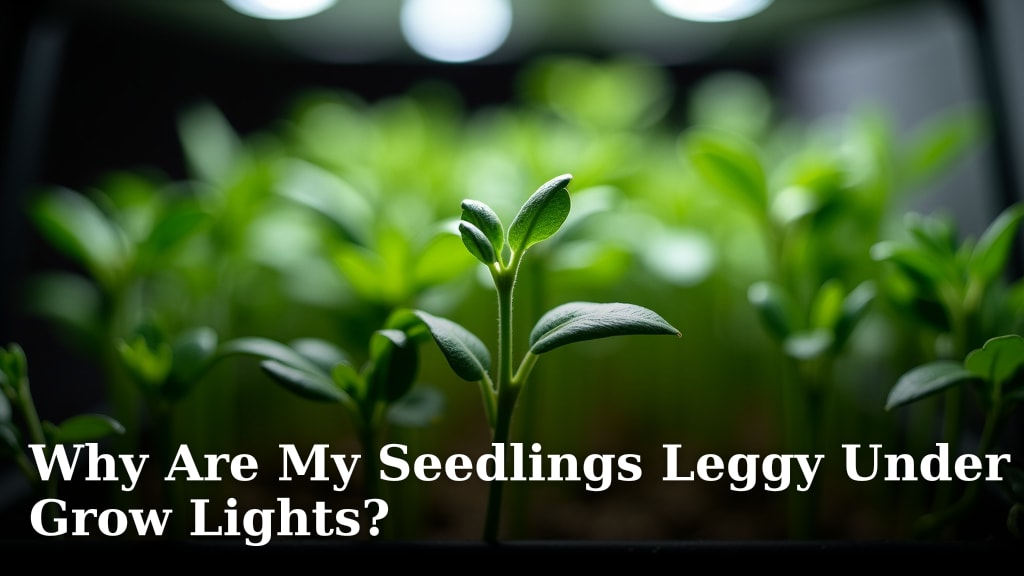
Your seedlings are leggy under grow lights primarily because they are not getting enough light intensity or the light source is too far away. This causes them to stretch and become weak, desperately searching for a brighter environment.
It’s a common issue for indoor gardeners, and we understand how frustrating it can be when your little plants look more like thin strings than sturdy sprouts. We’ve found that improper light distance and duration are often the main culprits behind leggy seedlings.
- Too little light
- Light placed too far from seedlings
- Incorrect light spectrum
- Longer light exposure needed
- Weak air circulation
Don’t worry, we’re here to help you turn those spindly seedlings into strong, healthy plants. Let’s walk through exactly how to fix this common problem and give your seedlings the best start possible.
Understanding Leggy Seedlings Under Grow Lights
Leggy seedlings are plants that have stretched excessively tall and thin. This happens when they are searching for more light. They often have weak stems and small leaves. It’s a clear sign your grow light setup needs adjusting.
You want your seedlings to be short and stout, not long and spindly. Strong, compact plants are much more resilient. They transplant better and grow into healthier mature plants.
The Science Behind Seedling Stretch
Plants are masters of adapting to their environment. When light is scarce, they prioritize stem growth. This helps them reach brighter areas. This process is called phototropism.
A plant’s stem contains cells that elongate quickly when exposed to certain light conditions. When there isn’t enough light, these cells stretch excessively. They’re trying to get the leaves closer to the light source. It’s a survival mechanism, but not ideal for robust seedlings.
Light Intensity: Not All Light is Equal
You might think any light will do, but light intensity matters greatly. Think of it like drinking water; some sips are refreshing, but a full glass truly quenches your thirst. Seedlings need a “full glass” of light.
Intensity refers to the brightness or power of the light reaching your plants. If the light is too dim, your seedlings will stretch. They’ll try to get closer to what little light there is. It’s a common mistake, even for experienced growers.
Measuring Light Intensity
How do you know if your light is intense enough? You can use a lux meter or a PAR meter. Lux meters measure visible light. PAR meters measure photosynthetically active radiation, which is what plants actually use. PAR meters are more accurate for grow lights.
For most seedlings, you’re aiming for a specific PAR range. Many experts suggest a PAR reading of 150-300 µmol/m²/s for healthy seedling growth (Journal of Horticultural Science & Biotechnology). This might sound technical, but it’s important for success.
Optimal Grow Light Distance and Placement
The distance between your grow light and your seedlings is perhaps the most critical factor. Too far, and they stretch. Too close, and you risk burning them. It’s a delicate balance, like finding the perfect temperature for a bath.
Think of light as water spraying from a hose. The closer the hose, the more water hits the target. The farther away, the more it spreads out and loses force. Grow lights work similarly; their intensity drops off rapidly with distance.
General Guidelines for Light Distance
Different types of grow lights have different optimal distances. There isn’t a one-size-fits-all answer. It’s like comparing a flashlight to a spotlight; both produce light, but their effective range varies greatly.
- Fluorescent Lights (T5, T8): These lights are not very intense. You’ll typically need to place them quite close, often 2-4 inches above your seedlings. You can usually tell if they’re too close if leaves start to curl or look scorched.
- LED Grow Lights: LEDs vary widely in power. Low-wattage LEDs might need to be 6-12 inches away. High-power LEDs could be much further, sometimes 18-24 inches. Always check the manufacturer’s recommendations.
- High-Intensity Discharge (HID) Lights (MH, HPS): These are very powerful. They are usually placed 24-36 inches or more from seedlings. They also generate a lot of heat, which is another factor to consider.
We’ve found that monitoring your seedlings daily is the best way to adjust distance. Are they stretching? Move the light closer. Are leaves looking pale or crispy? Raise the light slightly.
The Importance of Light Uniformity
It’s not just about the distance from the center of the light. You also want to ensure the light is distributed evenly across all your seedlings. If some seedlings are getting more light than others, you’ll see uneven growth.
Consider the “footprint” of your grow light. This is the area it effectively covers. If your light has a small footprint, you might need to use multiple lights. Or, rotate your trays frequently to ensure all plants get their turn under the sweet spot.
Light Duration and Spectrum
Beyond intensity and distance, how long your lights are on and the type of light they emit also play crucial roles. It’s like providing a balanced diet; you need enough food, the right kind of food, and for the right amount of time.
How Long Should Grow Lights Be On?
Seedlings need a good amount of “daylight.” Most seedlings thrive with 14-16 hours of light per day. They also need a period of darkness to rest and carry out other important biological processes, often 8-10 hours.
Don’t fall into the trap of thinking “more is always better.” Constant light can actually stress some plants. It can disrupt their natural cycles and lead to other problems. A consistent schedule helps them develop properly. Using a simple timer is highly recommended for this.
Understanding Light Spectrum
Light isn’t just “white.” It’s made up of a spectrum of colors, just like a rainbow. Plants use different parts of this spectrum for different functions. For seedlings, the blue spectrum is especially important.
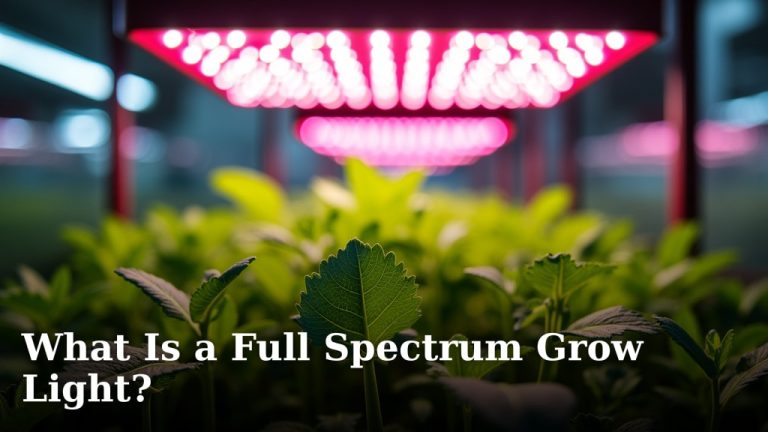
Blue light promotes compact, bushy growth. It helps prevent stretching. Red light, on the other hand, can sometimes encourage stretching if it’s the only dominant wavelength. Many grow lights are “full spectrum” and provide a good balance. If you’re using older fluorescent tubes, look for those labeled “cool white” or “daylight” which have more blue light.
Other Factors Causing Leggy Growth
While light is the primary culprit, other environmental factors can contribute to leggy seedlings. It’s like baking a cake; even with the perfect oven temperature, if your ingredients are off, the result won’t be ideal.
Lack of Air Circulation
This might seem unrelated, but good air movement is surprisingly important. Gentle air circulation helps to strengthen seedling stems. It mimics the natural swaying they’d experience outdoors.
Without air movement, stems grow weaker. They don’t have to support themselves against a breeze. A small oscillating fan, set on a low setting and not blowing directly on the plants, can make a big difference. Aim for a gentle rustle of leaves. This tiny bit of “stress” builds strength.
Overcrowding Your Seedlings
When you plant too many seeds too close together, they start competing. They’re all fighting for the same limited resources: light, water, and nutrients. This competition often results in taller, weaker seedlings as they try to outgrow their neighbors.
Thinning your seedlings early is vital. Once they’ve germinated and have their first true leaves, remove the weaker ones. Leave only the strongest, healthiest plants. Give them room to breathe and grow without competition. It feels harsh, but it’s for their own good.
Your Checklist for Fixing Leggy Seedlings
Here’s a quick list to help you troubleshoot and prevent leggy seedlings. Go through these steps systematically, and you should see an improvement in your plant’s health.
- Move Lights Closer: This is often the quickest fix. Bring your light source closer to your seedlings. Start with the manufacturer’s recommendation and adjust from there.
- Increase Light Duration: Ensure your seedlings are getting 14-16 hours of light each day. Use a timer for consistency.
- Check Light Spectrum: If possible, opt for full-spectrum lights or those with a higher blue light component, especially for initial growth.
- Introduce Air Movement: Place a small fan nearby to create a gentle breeze. This strengthens stems and helps prevent disease.
- Thin Out Seedlings: If you have multiple seedlings in one cell, snip off the weaker ones. Give the strongest plants space to thrive.
- Observe and Adjust: Daily observation is key. Watch how your seedlings respond to changes and adjust distance or duration as needed.
| Problem | Sign in Seedlings | Primary Solution |
|---|---|---|
| Too Little Light | Tall, thin stems; small, pale leaves; reaching | Move grow light closer; increase duration |
| Wrong Light Spectrum | Excessive height, especially with red-heavy lights | Switch to full-spectrum or “cool white” bulbs |
| Overcrowding | Multiple thin seedlings competing for space | Thin seedlings to one per cell/pot |
| Lack of Airflow | Weak, floppy stems; easily fall over | Introduce a gentle oscillating fan |
By understanding these common causes and implementing the solutions, you’ll be well on your way to growing robust, healthy seedlings. Remember, gardening is a learning process, and every challenge is an opportunity to grow your skills!
Conclusion
You now have the tools to tackle leggy seedlings head-on. Remember, proper light intensity and distance are your most powerful allies. Adjusting your grow lights, providing good air circulation, and thinning crowded plants will make a huge difference. By being observant and consistent, you can help your seedlings grow strong. You’ll be setting them up for a thriving life in your garden.
Frequently Asked Questions
Can leggy seedlings recover?
Yes, most leggy seedlings can recover if you act quickly. The key is to correct the light conditions and other environmental factors causing the problem. You might also need to bury the stretched stem deeper when transplanting.
What does “burying leggy seedlings” mean?
When transplanting leggy seedlings, you can bury a portion of their long, weak stems. Many plants, like tomatoes, will develop new roots along the buried stem. This helps create a sturdier plant with a stronger root system.
Is it okay for seedlings to touch the grow light?
No, it’s generally not okay for seedlings to touch the grow light. Even fluorescent lights can generate enough heat to burn delicate leaves. Always maintain a small gap, following the recommended distance for your specific light type.
How do I know if my grow light is too strong for seedlings?
If your grow light is too strong, you might see signs like scorched or bleached leaves, especially on the tips. Seedlings may also appear stunted, rather than growing quickly. Raise the light slightly if you notice these symptoms.
Can a weak fan hurt my seedlings?
A weak fan, if used improperly, could potentially dry out seedlings too quickly. Ensure the fan provides only a gentle breeze, causing leaves to rustle slightly. Avoid aiming it directly at your plants, and make sure your soil doesn’t dry out excessively.