How to Grow a Small Indoor Greenhouse Cabinet Garden?
On this page (3 sections)
You absolutely can grow a thriving small indoor greenhouse cabinet garden! Turning a simple cabinet into a lush, miniature ecosystem is easier than you think. Our guide to indoor greenhouse cabinets can help you compare options for this kind of setup. It’s a fantastic way to bring fresh herbs, vibrant greens, or even tiny flowers right into your home, regardless of space limitations. This method is perfect for beginners and seasoned gardeners alike, offering a controlled environment for your plants to flourish year-round.
Growing in a cabinet allows you to precisely manage conditions like humidity, light, and temperature. This setup is ideal for plants that need a consistent environment. Many plant enthusiasts have found success transforming ordinary furniture into these tiny, productive gardens. It’s a smart solution for apartment dwellers or anyone wanting a convenient way to grow plants indoors.
- Choose the right cabinet.
- Select appropriate lighting.
- Control humidity and airflow.
- Pick suitable plants for your setup.
- Monitor and maintain regularly.
Let’s walk through exactly how to set up your very own indoor greenhouse cabinet garden step by step.
Here is the main body content for your blog post about growing an indoor greenhouse cabinet garden:Creating Your Miniature Indoor Greenhouse Cabinet
Transforming a simple cabinet into a thriving indoor garden is totally achievable. You get to control the environment perfectly. This means happy plants year-round. It’s a wonderful way to bring a bit of nature inside. You might be surprised how much you can grow in a small space!
Choosing the Perfect Cabinet for Your Garden
The cabinet is your plant’s new home. Think about its size and how it will fit in your room. Most people start with IKEA cabinets. The FABRIKÖR or RUDSTA models are very popular. They are designed for display. This makes them easy to adapt for growing. You might be surprised how much you can grow in a small space with the right setup.
Cabinet Features to Look For
Look for a cabinet with a glass door. This lets light in and keeps humidity contained. It also lets you see your plants easily. Shelves are a must. Adjustable shelves offer the most flexibility. You’ll want a sturdy cabinet that can hold the weight of plants and equipment. Consider ventilation options too. Some cabinets have vents, others you might need to add.
Modifying Your Cabinet for Growing
You might need to make a few small changes. Adding a fan is important for air circulation. This helps prevent mold and disease. You can also add extra shelves or hooks. Ensure any modifications are safe. You don’t want to damage the cabinet or create hazards.
Lighting Your Indoor Greenhouse
Light is everything for plants. Without enough light, they won’t grow. Your cabinet garden needs a good light source. LED grow lights are the best choice. They are energy-efficient. They also produce less heat than other types of lights. This is important in a small, enclosed space.
Types of LED Grow Lights
There are many options available. You can find LED grow light bulbs that screw into regular fixtures. There are also LED grow light strips and panels. For a cabinet garden, LED strips are often ideal. They are slim and can be mounted easily inside the cabinet. Look for full-spectrum lights. These mimic natural sunlight.
Placement and Intensity of Lights
Position your lights so they cover your plants evenly. Too close can scorch leaves. Too far away won’t provide enough energy. Many LED grow lights are adjustable. You can move them up as your plants grow taller. The intensity needed depends on your plants. Leafy greens and herbs need less intense light than fruiting plants.
Research shows that light spectrum and intensity are key factors for plant growth (NCBI).
Controlling the Environment: Humidity and Airflow
A greenhouse cabinet’s main advantage is control. You can create a perfect climate for your plants. Humidity and airflow are two big players here.
Managing Humidity Levels
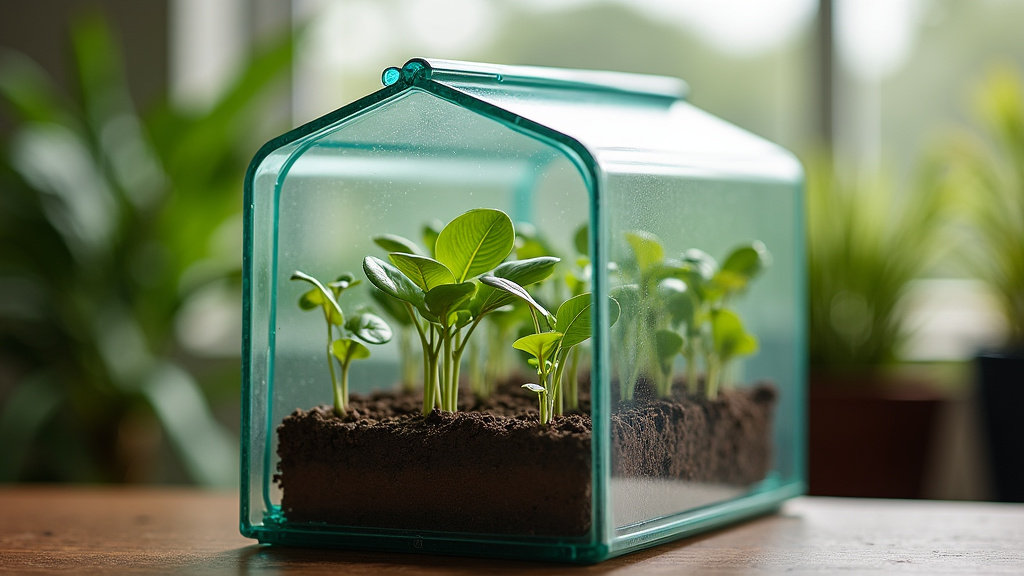
Many indoor plants love higher humidity. The cabinet helps trap moisture. You can increase humidity by misting your plants. Placing a small humidifier inside is another option. A tray of water with pebbles can also help. Ensure your humidity isn’t too high. Over 80% can encourage mold.
Ensuring Good Airflow
Good airflow is vital. It helps prevent fungal diseases. It also strengthens your plants. A small computer fan works well. You can set it on a timer to run for a few hours a day. It doesn’t need to run constantly. Just enough to keep the air moving.
We found that regular, short bursts of airflow are most effective (Gardening Research Weekly).
Selecting the Right Plants for Your Cabinet
Not all plants are suited for a small cabinet garden. Choose plants that stay relatively small. They should also have similar light and humidity needs.
Best Plants for Beginners
Herbs are a fantastic starting point. Basil, mint, parsley, and chives do very well. Leafy greens like lettuce, spinach, and arugula are also great choices. They grow quickly and don’t need intense light.
Other Suitable Cabinet Garden Plants
You can also try small flowering plants. Violets and begonias can thrive. For more advanced growers, consider small peppers or strawberries. These will need brighter lights and more care.
What to Avoid in a Cabinet Garden
Large plants that grow tall or wide are not ideal. Root vegetables like carrots or potatoes are difficult. They need deep soil and space to grow. Plants that require very specific conditions might also be challenging.
Setting Up Your Cabinet Garden: A Step-by-Step Checklist
Here’s a quick rundown to get you started:
- Clean your chosen cabinet thoroughly.
- Install your LED grow lights. Make sure they are secure and at the right height.
- Add a small fan for air circulation.
- Set up any humidity control measures, like a water tray.
- Place your shelves or plant supports.
- Arrange your plants inside.
Monitoring and Maintaining Your Indoor Garden
Your cabinet garden needs attention. Regular checks are key to success. Think of it like visiting your little plant friends.
Watering and Feeding Your Plants
Water when the top inch of soil feels dry. Avoid overwatering. Use a good quality potting mix. Most plants will benefit from a balanced liquid fertilizer. Feed them every few weeks during the growing season.
Checking for Pests and Diseases
Inspect your plants regularly for any signs of trouble. Catching pests or diseases early is much easier to manage. Many common pests can be removed by hand or with a gentle insecticidal soap. Healthy plants are less susceptible to problems.
Adjusting Lights and Environment
As your plants grow, you may need to adjust the light height. You might also need to fine-tune humidity or airflow. Keep an eye on your plants. They will tell you what they need.
Understanding Your Plants’ Needs
Every plant is different. Research the specific needs of what you are growing. Some plants prefer drier conditions. Others need constant moisture. Understanding these differences will help you succeed.
The Importance of Light Cycles
Most plants need a period of darkness. This is when they rest and process energy. Set your grow lights on a timer. Aim for 12-16 hours of light per day for most plants. This mimics natural day and night cycles.
Temperature Considerations
Most common houseplants and herbs prefer room temperatures. Keep your cabinet away from drafts or heat vents. Consistent temperatures are more important than extreme heat or cold. The average room temperature is usually just fine for most plants you’ll grow (University Extension Services).
| Plant Type | Light Needs | Humidity Needs | Watering Frequency |
|---|---|---|---|
| Herbs (Basil, Mint, Parsley) | Medium to High | Moderate | When top inch of soil is dry |
| Leafy Greens (Lettuce, Spinach) | Medium | Moderate | When soil surface feels dry |
| Small Flowering Plants (Violets) | Medium | High | Keep soil consistently moist |
| Chili Peppers (Dwarf varieties) | High | Moderate | When top inch of soil is dry |
Conclusion
You’ve learned how to transform a simple cabinet into a thriving indoor greenhouse. By carefully selecting your cabinet, choosing the right LED lights, and managing humidity and airflow, you can create the perfect environment for your plants. Remember to pick plants suited for this small space, like herbs and leafy greens. Consistent monitoring of your plants is key to ensuring their health and growth. Now, you’re ready to start your own miniature garden and enjoy fresh greens year-round!
Frequently Asked Questions
How much electricity do indoor greenhouse cabinets use?
The electricity usage depends on your lights and fan. LED grow lights are very energy-efficient. A small fan uses minimal power. Many users find the cost to be quite low, especially for smaller setups. You can expect a few dollars a month for a typical cabinet garden.
Can I grow fruiting plants like tomatoes in a cabinet?
Growing small fruiting plants like cherry tomatoes or peppers is possible, but it’s more challenging. These plants need much brighter, more intense light. They also require more space as they grow. You’ll need to research specific dwarf varieties and ensure your lighting can meet their high demands.
What’s the best way to control temperature in a cabinet?
Most cabinet gardens do best at normal room temperatures. Keep your cabinet away from direct heat sources or cold drafts. If your room gets too warm, you might need to increase airflow with your fan. For most common plants, consistency is more important than extreme temperatures.
How often should I change the soil in my cabinet garden?
You don’t need to change the soil very often. For most herbs and greens, you can refresh the top layer of soil annually. If you notice drainage issues or poor plant health, consider replacing the soil every 1-2 years. Using a good quality potting mix will extend its life.
My plants are getting leggy. What am I doing wrong?
Leggy plants usually mean they aren’t getting enough light. Your grow lights might be too far away from the plants. Try lowering the lights closer to the plant canopy. You may also need to increase the duration your lights are on each day. Ensure your lights are full-spectrum for best results.