Grow Lights vs Sunlight: Which Is Better for Plants? (November 2026)
Sunlight is the simplest choice when a plant gets enough bright, suitable light; grow lights help when windows fall short or conditions need more control. The better option depends on your plant, room and ability to keep light consistent.
On this page (8 sections)
- Grow light vs sunlight: which is better for indoor plants?
- How do window direction and distance affect sunlight?
- Can grow lights replace sunlight?
- Is a grow light more consistent than sunlight?
- Which light source is easier to set up?
- Does sunlight or a grow light use less energy?
- How should you choose for houseplants?
- What should you choose for your setup?
Sunlight is the easiest choice when a plant gets enough suitable light; grow lights help when windows fall short or conditions need more control. For a grow light vs sunlight decision, consider plant needs, window exposure, available space and how steady you want the schedule to be.
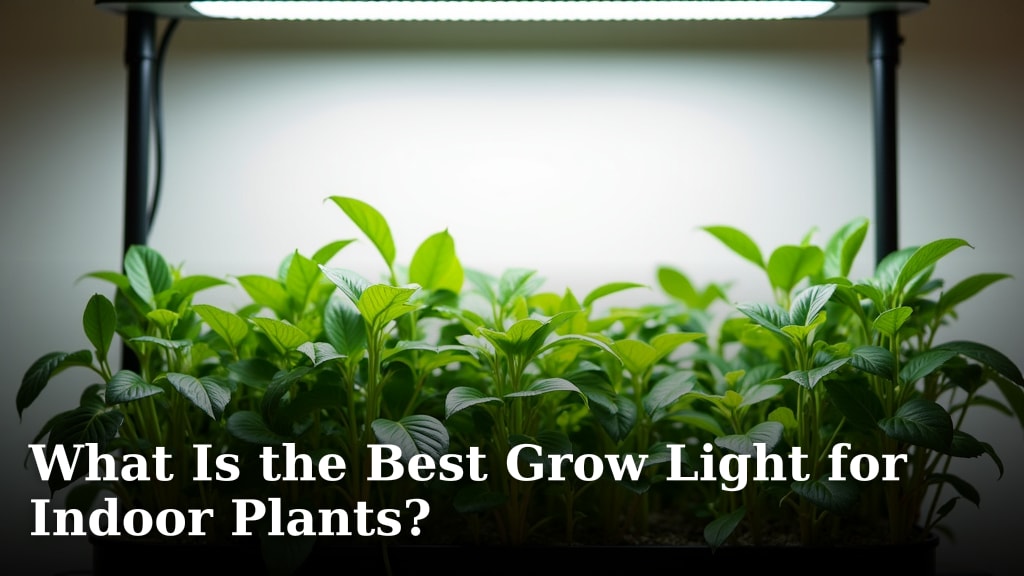
Natural sunlight covers a broad range of light, but the amount your plant receives varies with the season, weather, window direction and distance from the glass. An indoor grow light can make timing and placement more predictable, though you still need to match it to the plant and growing area.
Grow light vs sunlight: which is better for indoor plants?
Sunlight is better when your plant already gets the right amount of light; a grow light is better when the window spot is too dim or inconsistent. Neither source is automatically best for every indoor plant.
A bright window may be enough for a plant that tolerates its conditions. But a room can look bright to you while delivering less light to a plant several feet from the window.
A lamp gives you more control over where light falls and when it runs. To understand how the lamp produces light for plant growth, read how grow lights work.
What does sunlight offer that a lamp may not?
Sunlight is readily available and can illuminate a broad area near a window. If it suits your plants, you don't need to mount a lamp, manage a timer or arrange power cords.
Its drawback is variation. A sunny spot can change as the sun moves, trees leaf out, clouds pass or daylight hours shift through the year.
Strong direct sun through glass may also be too much for some plants. Watch for signs of stress and move the pot or filter the light if the plant isn't coping well.
What can a grow light control?
A grow light gives you a source you can position near the plant and schedule for regular use. Some models also let you change brightness or light modes.
That control can help in a dim room, on a shelf away from windows or when several plants need a steady routine. It doesn't mean every lamp covers every shelf, so compare the light's shape and placement with the growing area.
For a closer look at available options, see what makes a good grow light for indoor plants. If you're choosing a lamp for a specific plant, how to choose the right grow light for your plants can help you narrow the fit.
How do window direction and distance affect sunlight?
Window direction and plant distance affect how much light reaches a leaf. A pot on the sill often gets a different amount than one on a table across the room.
Observe the spot through the day before deciding that sunlight is enough. Note when direct sun reaches the leaves, whether nearby buildings or trees block the view and how conditions shift with the season.
A north-facing window in the Northern Hemisphere often provides less direct sun than a south-facing one, but the building, latitude, shading and season all matter. Use the actual conditions in your room, not direction alone, to make the call.
Plants near glass may face heat or cold from the window as well as changing light. Keep foliage from touching a cold pane, and follow the needs of the plant you're growing.
When is a window likely enough?
A window may be enough when the plant's light needs match the brightness and duration of the spot. Plants that tolerate lower light may do well farther from a bright window than sun-loving plants.
Watch new growth over time. Long gaps between leaves, leaning toward the window or weak growth can signal that a plant needs a brighter position, although watering and other care issues can also affect it.
Rotate the pot occasionally if growth leans toward one side. If the plant still struggles after you adjust its position, consider whether a grow light can fill the gap.
When does distance from the window become a problem?
Light drops as you move away from a window, even if the room still looks bright. A plant placed behind furniture or on a deep shelf may receive less useful light than one near the glass.
Move the plant closer if the spot is suitable and the leaves aren't getting too much direct sun. If you can't use the brighter area, a lamp can bring light closer to the plant.
Can grow lights replace sunlight?
A suitable grow light can provide the light a plant needs indoors, but the lamp must fit the plant, distance and area. A grow light isn't a one-size-fits-all replacement.
Look for guidance about the light's coverage, intensity and recommended distance, then set the lamp up around the actual plants. Keep track of growth and adjust position or duration based on plant response and the manufacturer's instructions.
The University of Minnesota Extension's indoor plant lighting guide explains how indoor light conditions affect plant growth. It can help you think through placement before you add artificial light.
What plants do well under grow lights?
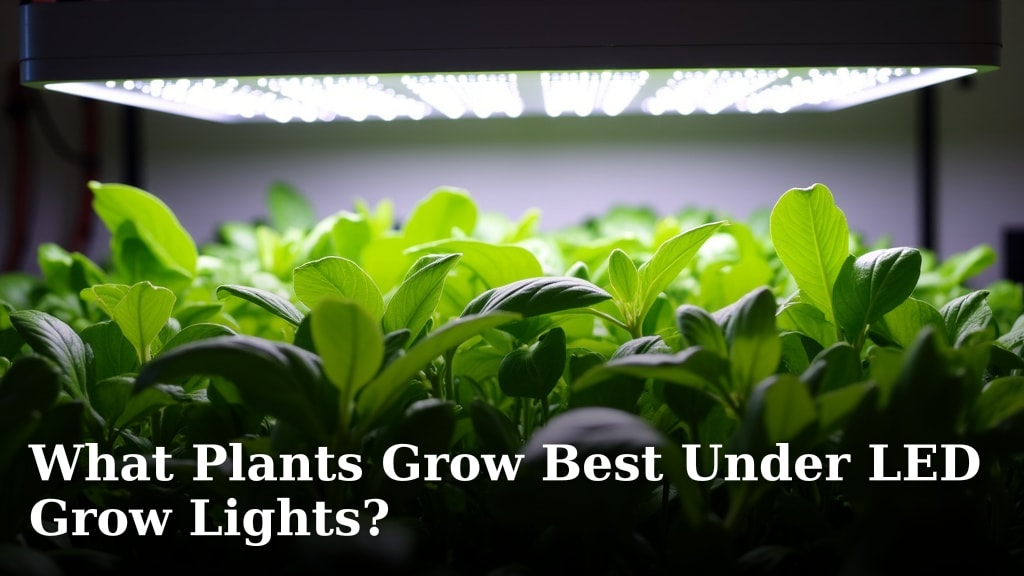
Many plants can grow under artificial light if the setup meets their needs. Seedlings, herbs and houseplants may all benefit from supplemental lighting, but their preferred conditions differ.
A compact clamp lamp can make sense for a single plant or a few pots. A shelf of plants may need several lights spaced across its length instead of one lamp aimed at the middle.
Browse plants that grow well under LED grow lights for examples. Then check the light requirements of each plant you're considering.
Is a grow light more consistent than sunlight?
A grow light can follow a more consistent schedule; sunlight changes with the time of day and season. That makes artificial light useful when you need to control a routine.
Set the lamp to run at a schedule that fits the plant and the light's instructions. Avoid assuming that more hours or a higher brightness setting will always help, since a plant's needs and the lamp's distance both matter.
A timer can reduce the need to switch a lamp on and off by hand. The LEOTER Grow Light for Indoor Plants has a 3H, 9H or 12H timer and 10 dimmable levels for a single adjustable setup.
The GooingTop Grow Light has a flexible gooseneck, clamp, 2 intensity settings and a repeating 4H, 8H or 12H timer. It may suit a small group of pots within the lamp's reach.
Which light source is easier to set up?
Sunlight takes less equipment when a suitable window spot is available; a grow light needs a safe place to mount or stand and a power source. Consider the room before choosing.
For a lamp, make sure the clamp or mounting clips can attach securely where you plan to use them. Keep cords arranged so they don't snag, and follow the setup and clearance instructions that come with the light.
The Barrina Grow Light for Indoor Plant comes as four 1 ft strips with separate switches, clips, tape and cable ties. That layout can suit a narrow shelf where you want more than one light position.
The TYAGMAM Grow Light includes four 2 ft strips, clips and cable ties, with the option to link up to 8 lights in series. Its longer strips may fit a broader shelf or grow area.
Does sunlight or a grow light use less energy?
Sunlight uses no household electricity; a grow light adds power use while it runs. The amount depends on the light, its power draw and how long you operate it.
The GooingTop lamp is listed at 10 watts, while the TYAGMAM set is listed at 100 watts total. These figures describe those products, not every lamp or a complete estimate of your household's energy cost.
If you use a lamp for several hours each day, include that use in your electricity planning. A timer can help prevent the light from running longer than your intended schedule.
How should you choose for houseplants?
Choose sunlight if your plant's current spot supports healthy growth; add a grow light when the spot can't provide enough suitable light. Start with the plant and location, then decide whether you need a lamp.
Group plants with similar light needs near the same window or grow light. This makes it easier to give them suitable conditions without moving pots every day.
Plants that tolerate lower light may not need a lamp if they already grow well in your room. If a lower-light plant still needs supplemental lighting, grow lights for low-light plants can help you explore suitable options.
Spider plants can often adapt to different indoor conditions, but their placement still affects growth. See grow lights for spider plants if yours needs extra light away from a window.
What should you choose for your setup?
Pick sunlight when the window gives your plants enough light and the spot works year-round; pick a grow light when you need closer placement or a steadier schedule. If you're unsure, observe the plant's growth and adjust one part of the setup at a time.
A window-side plant that grows well can stay there. A dim corner, crowded shelf or changing seasonal spot may benefit from a lamp that fits its coverage and schedule needs.
For one plant, a flexible clamp lamp may be easier to position. For a row of pots, short or longer strips may spread light over the shelf more evenly.
Use the plant's needs and the room's real conditions to make the final call. The right choice is the one that provides suitable light with a setup you can maintain.
Frequently asked questions
Are grow lights as good as sunlight?
Grow lights can support indoor plant growth when you choose a suitable light and place it at the right distance for the plant. Sunlight is free and broad, but window light changes with season, weather and room direction.
Neither source suits every plant or setup.
Can plants grow with only artificial light?
Many indoor plants can grow under artificial light when it supplies enough usable light for the plant and runs on a suitable schedule. Check the plant's needs, light placement and coverage, then watch for changes in growth.
A lamp's name or color alone doesn't guarantee a good fit.
Is sunlight better than LED grow lights?
Sunlight is often the easiest option when a plant gets adequate light in a suitable location. LED grow lights can help when the available window light is weak or inconsistent, and they let you choose placement and timing.
The better option depends on the plant and room.
How do I choose between a grow light and a window?
Start by checking how much direct or bright indirect light reaches the plant through the day, then compare that with the plant's needs. If the window provides enough light, use it.
If growth stalls or the spot changes with the season, a grow light can add control.