
Can You Grow Tomatoes Indoors without a Greenhouse?
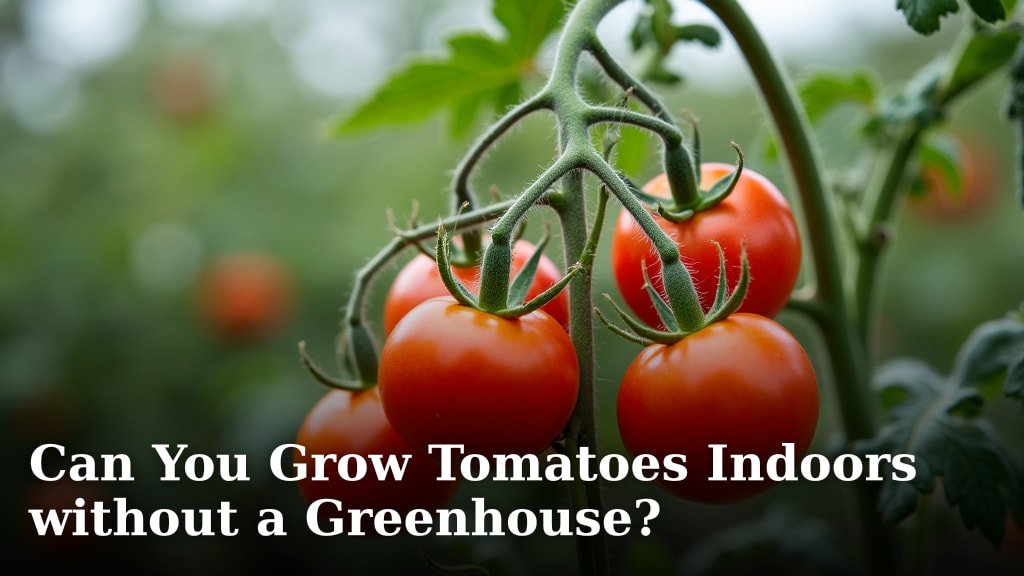
Yes, you absolutely can grow tomatoes indoors without a greenhouse! It’s entirely possible to get delicious, fresh tomatoes right from your kitchen or living room. You just need to provide the right conditions, like plenty of light and the correct type of plant. Many gardeners have success with this, and you can too!
Growing tomatoes indoors means you’re not dependent on the weather or a large outdoor space. It opens up the possibility for fresh produce year-round, even if you live in a tiny apartment. Many experts agree that with a bit of care, even beginners can achieve a satisfactory harvest from container-grown tomato plants.
- Yes, indoor tomato growing is achievable.
- You’ll need good lighting and the right plant variety.
- It’s a great way to get fresh tomatoes year-round.
- Success is possible even in small spaces.
Let’s walk through exactly what you need to do to make your indoor tomato-growing dreams a juicy reality.
“`htmlBringing the Sunshine Indoors: Growing Tomatoes Without a Greenhouse
You’re probably wondering if it’s truly possible to get those juicy red tomatoes from your own home, even without a fancy greenhouse. The short answer is a resounding YES!
Many gardeners have found immense joy and success in growing tomatoes indoors. It’s about creating a mini-ecosystem that mimics what your tomato plants crave. You don’t need acres of land or a specialized structure to enjoy fresh, homegrown tomatoes. Let’s get started.
Choosing the Right Tomato Varieties for Indoor Success
Not all tomato plants are created equal when it comes to indoor growing. Some varieties are simply better suited to smaller spaces and less direct sunlight.
Opt for Dwarf and Determinate Types
When you’re picking out seeds or seedlings, look for terms like “dwarf,” “bush,” or “determinate.” These types of tomatoes are bred to be compact and stop growing at a certain height. They produce their fruit all at once, which is perfect for a single harvest period, much like you’d expect from an indoor setup.
We found that determinate varieties are easier to manage indoors. They won’t vine all over your living room. Their contained growth habit makes them ideal for pots and containers.
Consider “Patio” or “Container” Varieties
Many seed packets are specifically labeled for container or patio growing. These are often the same determinate or dwarf types. They are bred for smaller yields but thrive in pots. Think of them as the low-maintenance cousins of their sprawling outdoor relatives.
Examples we often see recommended include ‘Tiny Tim,’ ‘Patio Princess,’ and ‘Red Robin.’ These are fantastic starting points for beginners. They tend to be less fussy and more forgiving.
The Essential Ingredient: Light, Light, and More Light!
Tomatoes are sun-worshippers. They need a lot of light to grow and produce fruit. Indoors, this is often your biggest challenge. Your windows might not provide enough direct sunlight.
Maximize Natural Light
Place your tomato plants in the sunniest spot you have. A south-facing window is usually the best option. Even then, you might only get a few hours of direct sun. This is where supplemental lighting becomes key.
We found that even the brightest window sill is often not enough on its own. Tomatoes need at least 6 to 8 hours of direct sunlight per day. If your home doesn’t naturally offer that, artificial light is your best friend. If your home doesn’t naturally offer that, artificial light is your best friend.
Investing in Grow Lights
This is where most indoor growers find their success. Grow lights are designed to provide the full spectrum of light that plants need for photosynthesis. They are not just fancy lamps; they are engineered for plant growth.
There are several types of grow lights:
- LED Grow Lights: These are very popular. They are energy-efficient and come in various spectrums. Many people find them to be a great balance of cost and effectiveness.
- Fluorescent Grow Lights: T5 or T8 fluorescents can also work, especially for seedlings and smaller plants. They are less powerful than LEDs but can be a more budget-friendly option to start.
- HID Lights: High-Intensity Discharge lights (like Metal Halide or High-Pressure Sodium) are powerful but generate a lot of heat. They are generally overkill for a few indoor tomato plants and might be too much for a typical home setup.
Soil and Potting: Giving Your Tomatoes a Happy Home
Just like you need a comfortable bed, your tomato plants need the right soil and a suitable pot to thrive indoors.
The Importance of Potting Mix
Don’t just grab any dirt from your yard. Indoor plants need a special kind of soil. A good quality potting mix is lighter and drains better. This prevents waterlogging, which can lead to root rot. Root rot is a common problem for indoor plants if the soil stays too wet (U.S. Department of Agriculture).
We recommend a potting mix designed for containers. You can also amend it with perlite or vermiculite to improve drainage and aeration. Adding a bit of compost can give your plants a nutrient boost. Think of it as adding a little something extra to your plant’s diet.
Choosing the Right Container Size
Your tomato plant’s roots need space to grow. A pot that’s too small will stunt its growth and limit its fruit production. For most dwarf or bush varieties, a pot that is at least 5 gallons in size is a good starting point.
Make sure your pots have drainage holes! This is non-negotiable. Water needs to escape. If you’re worried about water staining your furniture, place the pot in a saucer. We found that terracotta pots are good because they breathe, but plastic pots retain moisture better. Choose what fits your aesthetic and watering habits.
Watering and Feeding: Keeping Your Plants Hydrated and Nourished
Consistent watering and feeding are critical for healthy tomato plants, especially indoors where conditions can change quickly.
Watering Wisely
Indoor plants can dry out differently than outdoor plants. Check the soil moisture regularly. Stick your finger about an inch or two into the soil. If it feels dry, it’s time to water. If it feels moist, wait a day or two.
Avoid overwatering. This is a common mistake that can lead to fungal diseases and root problems. Water thoroughly until you see water drain from the bottom of the pot. Then, empty the saucer. We’ve found that a consistent watering schedule prevents stress for the plant.
Feeding Your Tomato Plants
Tomatoes are heavy feeders. They need nutrients to produce those delicious fruits. Since they are in pots, they will deplete the nutrients in the soil over time.
Start with a balanced fertilizer when you plant. Once your plant starts to flower and set fruit, switch to a fertilizer that is higher in phosphorus and potassium. These nutrients are essential for flowering and fruiting (National Gardening Association). Look for fertilizers specifically formulated for tomatoes or fruiting plants.
Follow the package directions carefully. Over-fertilizing can harm your plants. Many growers use a liquid fertilizer every 2-4 weeks. It’s like giving your plants a regular vitamin boost.
Pollination: Helping Your Tomatoes Set Fruit
This is a step often overlooked for indoor gardening. Outdoors, wind and insects do the pollination work for you. Indoors, you’ll need to lend a hand.
The Pollination Process Explained
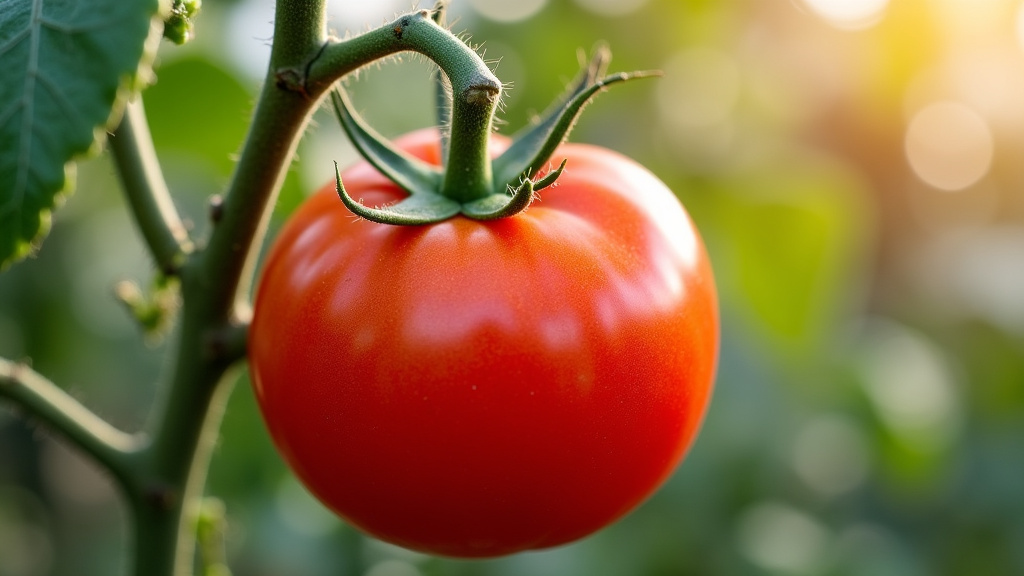
Tomato flowers have both male and female parts. Pollen needs to move from the male part (anther) to the female part (stigma) for fertilization to occur. Without this, you won’t get any tomatoes.
If your plants are receiving enough light and the right nutrients, they should flower. You’ll see small yellow blooms. These are the flowers that will potentially turn into tomatoes.
How to Hand-Pollinate
You have a few options for helping nature along:
- Gentle Shaking: Sometimes, gently shaking the plant or tapping the flower stems is enough to dislodge pollen. Do this when the flowers are open.
- Electric Toothbrush or Vibrator: A small, battery-operated toothbrush or even a small electric vibrator can be used to gently vibrate the flower. This mimics the buzzing of a bee, helping to release pollen. Just touch the vibrating tip to the flower stem.
- Small Brush or Cotton Swab: You can also use a small, soft brush or a cotton swab to gently tickle the inside of the flower. This helps to move pollen around.
We found that the electric toothbrush method is remarkably effective and quite fun! Just a little vibration is all it takes. Do this daily when flowers are present.
Troubleshooting Common Indoor Tomato Problems
Even with the best care, you might encounter a few bumps in the road. Here are some common issues and how to fix them.
Yellowing Leaves
Yellow leaves can indicate a few things. It might be a sign of overwatering or underwatering. Check your soil moisture. It could also be a nutrient deficiency, particularly nitrogen. If your soil is moist and you haven’t fertilized recently, try a balanced liquid fertilizer.
Leggy Plants
If your plants are stretching tall and thin with large gaps between leaves, they are likely not getting enough light. Move them closer to your grow light or increase the light intensity. You can sometimes trim back leggy stems and encourage bushier growth.
No Flowers or Fruit
This usually comes down to light or pollination. Ensure your plants are getting at least 6-8 hours of adequate light. If they are flowering but not producing fruit, pollination is likely the culprit. Go back to those hand-pollination techniques!
Your Indoor Tomato Growing Checklist
Ready to give it a try? Here’s a quick checklist to get you started:
- Choose compact, determinate, or dwarf tomato varieties.
- Select a pot at least 5 gallons with drainage holes.
- Use a high-quality, well-draining potting mix.
- Provide 6-8+ hours of intense light daily (grow lights are usually necessary).
- Water when the top inch of soil feels dry, and don’t overwater.
- Fertilize regularly, especially once flowering begins.
- Hand-pollinate the flowers to ensure fruit set.
Growing tomatoes indoors is a rewarding experience. It brings a touch of nature and fresh flavor right into your home. With the right attention to light, water, and a little bit of help for your flowers, you’ll be enjoying your own homegrown tomatoes before you know it!
“`Conclusion
You’ve learned that growing tomatoes indoors without a greenhouse is totally achievable. By picking the right compact tomato varieties, ensuring they get plenty of light—often with grow lights—and tending to their soil, watering, and feeding needs, you can achieve a satisfying harvest. Don’t forget to lend a hand with pollination!
It’s a rewarding project that brings fresh flavor right to your kitchen. So, gather your supplies and get ready to enjoy your very own homegrown tomatoes. Your first step? Choose a dwarf or determinate variety and a good-sized pot!
Frequently Asked Questions
How many hours of light do indoor tomatoes really need?
Your indoor tomato plants need a minimum of 6 to 8 hours of intense light each day. We found that natural window light alone is often not enough. Investing in a quality grow light is usually necessary to meet this demand and ensure good fruit production.
What kind of soil is best for growing tomatoes in pots indoors?
You should use a high-quality, well-draining potting mix designed for containers. We recommend a mix that includes perlite or vermiculite for better aeration. This helps prevent waterlogging, a common issue that can lead to root rot in indoor plants.
Will my indoor tomato plants need help to produce fruit?
Yes, they will likely need your help with pollination. Unlike outdoor plants that benefit from wind and insects, indoor tomatoes require manual pollination. Gently shaking the plant or using a small brush or electric toothbrush on the flowers will help transfer pollen.
Can I grow tomatoes indoors in the winter?
Absolutely! Growing tomatoes indoors is an excellent way to enjoy fresh produce year-round, including during the winter months. As long as you can provide consistent light, water, and nutrients, your plants can thrive and produce fruit regardless of the outdoor season.
What’s the biggest mistake new indoor tomato growers make?
One of the most common mistakes we see is underwatering or overwatering. Indoor conditions can be tricky, so it’s important to check soil moisture regularly by sticking your finger about an inch or two down. Water thoroughly when dry, and always ensure your pots have drainage.
