
Can You Grow Herbs without a Grow Light?
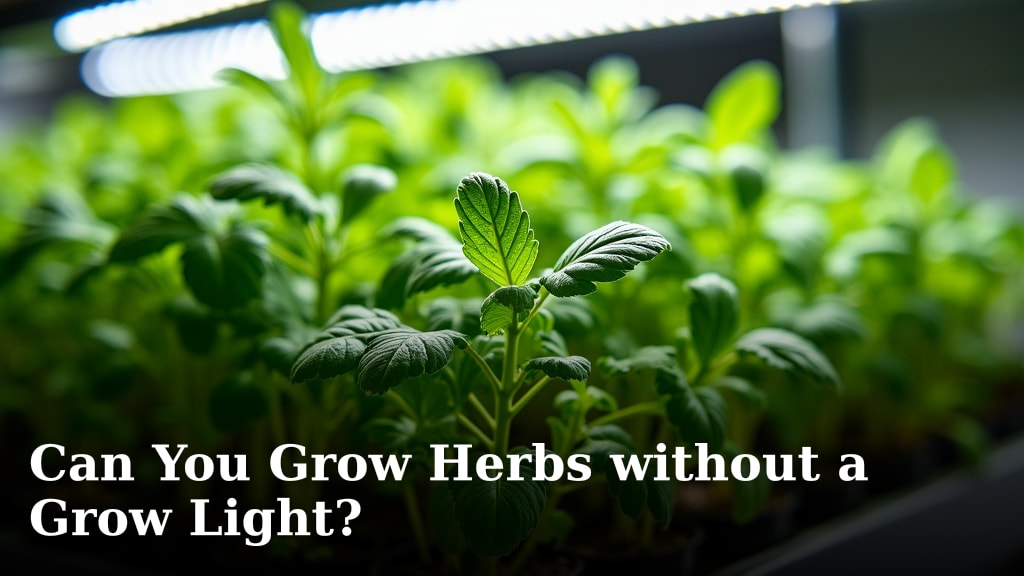
Yes, you absolutely can grow herbs without a grow light, as long as you can give them enough You can absolutely grow herbs without a grow light; learn what herbs grow best indoors without sunlight.natural sunlight. Most herbs thrive with at least 6 to 8 hours of direct sunlight each day. If your home doesn’t offer this, you might need to get creative with your herb choices or explore other options.
Many common kitchen herbs, like basil and rosemary, are sun-worshippers and need that bright, direct sun to grow strong and flavorful. If your windows only get a few hours of weak light, your herbs might end up a bit leggy and less potent. Understanding your herb’s needs is key to success, even without artificial help.
- Most herbs need 6-8 hours of direct sunlight daily.
- Basil, rosemary, and thyme are popular choices that love sun.
- Low light can lead to leggy, less flavorful herbs.
- Consider shade-tolerant herbs if you have less sun.
- Window placement is critical for natural light.
Let’s dive into what you need to know to help your herbs thrive using just the sun’s power.
Growing Herbs Successfully Without Artificial Lights
You can absolutely grow herbs without a grow light! The biggest secret is understanding your herb’s love for the sun. Most herbs are little sun-worshippers. They need plenty of bright, direct light to grow strong and flavorful. If your home doesn’t get enough natural sunlight, don’t despair. There are still ways to enjoy fresh herbs.
Understanding Your Herbs’ Light Needs
Think of your herbs as tiny solar panels. They convert sunlight into energy for growth. The more sunlight they get, the happier and more robust they become. Many common herbs, like basil, rosemary, and thyme, are sun-lovers. They truly thrive with at least 6 to 8 hours of direct sunlight each day.
If your herbs are not getting enough light, you’ll notice changes. They might start to look pale and stretched out. This is called “legginess.” Their leaves might also be smaller and less aromatic. This tells you they are struggling to get the energy they need (University of Minnesota Extension). It’s their way of saying, “I need more sunshine!”
The Power of a Sunny Window
Your windows are your primary tool for growing herbs naturally. Not all windows are created equal, though. The direction your window faces plays a huge role. A south-facing window in the Northern Hemisphere is usually the sunniest spot. It provides the most direct sunlight throughout the day.
East-facing windows get good morning sun. West-facing windows get afternoon sun, which can be quite warm. North-facing windows typically offer the least amount of direct light. They might be suitable for herbs that tolerate some shade.
Maximizing Natural Light Exposure
Even with the best windows, you can do a few things to help your herbs soak up more rays. Keep your window panes clean. Dust and grime can block a surprising amount of light. Also, avoid placing large objects or thick curtains that cast shadows on your plants.
Consider rotating your pots regularly. This ensures all sides of the plant get exposure to the light. A quarter turn every few days can make a big difference. Think of it like turning your steak on the grill for even cooking!
Signs Your Herbs Aren’t Getting Enough Light
It’s important to be observant. Your herbs will tell you when they’re not getting what they need. Are the stems long and spindly? That’s a classic sign of legginess. The plant is reaching for light.
Are the leaves small and pale green, or even yellowish? This can indicate a lack of photosynthesis. Healthy herbs usually have vibrant green leaves. Another sign is slow or stunted growth. If your herbs aren’t growing much, even with good care, light might be the issue.
Finally, look at the flavor and aroma. Herbs grown in low light often have a weaker scent and taste. For example, basil grown indoors with insufficient light might not have that strong, peppery kick you expect.
Choosing the Right Herbs for Your Light Conditions
This is where understanding your home’s light levels becomes super important. If you have a very sunny spot (6+ hours of direct sun), you’re in luck! You can grow almost any herb. Basil, rosemary, thyme, oregano, sage, and chives are fantastic choices.
What if your sunny spot is a bit more limited? Maybe you only get 4-5 hours of direct sun. Some herbs can still do reasonably well. Mint and parsley are often more tolerant of partial shade. They might not grow as vigorously as they would in full sun, but they can still be productive.
For areas with very little direct sun, you might need to stick to herbs that can handle shadier conditions. Examples include chives and mint. Some leafy greens, like lettuce and spinach, can also grow in these conditions. However, for true sun-loving herbs, consistent light is key. Many experts suggest that herbs like chives and mint can tolerate as little as 4 hours of sun per day (North Carolina State University Extension).
Tips for Herbs That Tolerate Less Sun
If you’re working with a shadier spot, managing expectations is helpful. Herbs like mint, parsley, and chives are your best bet. They won’t necessarily die, but their growth will be slower. The flavor might also be a little less intense.
Ensure the soil stays consistently moist but not waterlogged. Plants in lower light conditions tend to use water more slowly. Avoid overwatering, which can lead to root rot. Good air circulation is also important, even in shadier spots.
Considering Other Growing Locations
Beyond windowsills, think about other places in your home that receive good light. Do you have a sunny balcony or patio? This is often the ideal spot for herbs in warmer months. Even a well-lit kitchen counter can work if it gets several hours of direct sun.
Consider a small greenhouse or cold frame if you’re serious about maximizing natural light, especially in cooler climates. These structures can extend the growing season and provide excellent light exposure.
Creative Solutions for Low-Light Homes
If your home is consistently dim, you might need to get a little creative. One option is to purchase herbs from a grocery store or nursery when you need them. This avoids the frustration of trying to grow them in less-than-ideal conditions.
Another idea is to try different methods of enjoying herbs. You could grow herbs outdoors in pots during the summer when sunlight is abundant. Then, bring them inside to enjoy what you can, or dry them for later use. Drying herbs preserves their flavor, making them usable even when fresh growth is limited (Oregon State University Extension).
Can Herbs Adapt to Lower Light?
Herbs are resilient, but they have their limits. While some plants can adapt to slightly lower light levels, it’s not ideal for most culinary herbs. They might survive, but they won’t thrive. This means you’ll likely have less flavorful and less abundant harvests.
Think of it like trying to run a marathon on a diet of only crackers. You might keep moving, but you won’t perform at your best. For strong, flavorful herbs, adequate sunlight is non-negotiable. It’s the fuel they need to produce those wonderful aromas and tastes (University of Massachusetts Amherst).
A Quick Checklist for Success
Here’s a simple checklist to help you gauge your setup:
- Assess Your Light: How many hours of *direct* sunlight do your potential herb spots get daily?
- Choose Wisely: Match herbs to your available light (sun-lovers for sunny spots, others for less light).
- Maximize Sun: Clean windows, rotate pots, and avoid obstructions.
- Watch for Signs: Look for legginess, pale leaves, or slow growth.
- Be Realistic: Understand that less light means slower growth and less intense flavor.
- Consider Outdoor Options: Utilize balconies or patios during sunny seasons.
Conclusion
Growing herbs without a grow light is entirely possible, but it hinges on one critical factor: sunlight. Your ability to provide 6 to 8 hours of direct sun daily will determine your success. By understanding your herbs’ light needs and carefully assessing your home’s sunny spots, you can make informed choices. Pay attention to window direction and keep those panes clean! If your natural light is limited, don’t get discouraged; select shade-tolerant herbs or explore seasonal outdoor growing. Your next step is to scout your sunniest windowsills and choose your first herb to grow naturally!
Frequently Asked Questions
How many hours of direct sunlight do most herbs need to grow indoors?
Most culinary herbs thrive with at least 6 to 8 hours of direct sunlight each day. This intense light fuels their growth and produces those lovely aromatic oils that give them their flavor and scent. If your herbs get less than this, you might notice they become leggy and less potent.
What are the signs my indoor herbs aren’t getting enough light?
Look for long, spindly stems where the plant is reaching for light (this is called legginess). You might also see small, pale, or yellowish leaves, and the overall growth will be slow. The herb’s scent and flavor will also be much weaker than expected.
Which herbs are best for windows with less direct sun?
If you only have spots with partial shade (around 4-5 hours of direct sun), focus on herbs like mint and parsley. Chives are also quite adaptable and can tolerate lower light conditions. While they might not grow as vigorously, they can still provide a decent harvest.
Can I grow herbs on an east or west-facing window?
Yes, you can! An east-facing window will give you gentle morning sun, which is great for many herbs. A west-facing window provides warmer afternoon sun. Both can work well, especially if you rotate your plants to ensure even exposure throughout the day.
What if my home has very little natural light for growing herbs?
If your home is quite dim, consider growing herbs outdoors on a balcony or patio during the warmer months when sunlight is abundant. You can also dry the herbs you harvest to preserve their flavor for later use. For consistent indoor growing, you may eventually need to consider a grow light.
