How to Grow a Windowsill Herb Garden without Grow Lights?
On this page (3 sections)
Yes, you can absolutely grow a thriving windowsill herb garden without grow lights, even in a less-than-sunny spot. The key is to choose the right herbs and give them the best possible conditions. Many herbs are surprisingly adaptable and can flourish with just a little help from nature’s most powerful light source: the sun.
Many people worry about insufficient light when starting an indoor herb garden. Fortunately, several popular herbs are known for their ability to tolerate partial shade or grow well with just a few hours of good sunlight daily. We’ve found that selecting herbs that naturally grow in woodlands or under taller plants can be a smart move for your indoor space.
- Choose herbs that don’t need intense sun.
- Give them a spot with the most light you have.
- Water them correctly, but don’t overdo it.
- Use good quality potting soil.
- Consider the pot size for your herbs.
Ready to bring fresh flavor into your kitchen without fancy equipment? Let’s walk through exactly how to set up your perfect windowsill herb garden, no grow lights required. Ready to bring fresh flavor into your kitchen without fancy equipment? Let’s walk through exactly how to set up your perfect windowsill herb garden, no grow lights required.
Cultivating Your Windowsill Herb Garden Without Artificial Lights
You don’t need fancy grow lights to enjoy fresh herbs indoors. With the right approach, your windows can become a vibrant source of flavor. Many common herbs are quite adaptable. They can thrive with the natural light that streams through your windows. We’ve researched and found that success hinges on smart plant choices and providing the best conditions possible.
Selecting the Right Herbs for Your Sunny Spot
The first step is choosing herbs that naturally prefer or tolerate less intense light. Think about herbs that might grow on the forest floor or under taller plants. These are often good candidates for a windowsill garden. We’ve found that herbs known for their resilience are often the best bet. This ensures you have a higher chance of success, even if your window isn’t a sun magnet.
Shade-Tolerant Champions
Some herbs are wonderfully forgiving. They can produce well even with only a few hours of direct sunlight each day. Mint is a prime example. It’s known for its vigorous growth and ability to handle some shade. Parsley, especially flat-leaf varieties, also does quite well. It prefers a bit of shade during the hottest part of the day. Cilantro is another excellent choice. It can bolt (go to seed) quickly in intense sun, so partial shade is ideal for it.
Herbs That Need a Little More Sun (But Can Still Work)
While we’re focusing on no-grow-lights, some herbs prefer more sun. You can still try growing them if you have your sunniest windowsill. Basil is a popular choice. It loves warmth and light. If you have a south-facing window that gets at least 4-6 hours of direct sun, basil might just thrive. Oregano and thyme are also sun-lovers. They will do best with the most light you can provide. Rosemary also enjoys plenty of light. However, research suggests it can be grown indoors with good natural light and careful watering.
| Herb | Light Preference | Notes for Windowsill Growth |
|---|---|---|
| Mint | Partial Shade to Full Sun | Very adaptable, can spread quickly. Consider a dedicated pot. |
| Parsley | Partial Shade | Prefers cooler temperatures and moderate light. |
| Cilantro | Partial Shade | Tends to bolt in heat and intense sun. Harvest often. |
| Chives | Full Sun to Partial Shade | Easy to grow. Keep well-watered. |
| Basil | Full Sun (4-6+ hours) | Needs warmth and consistent moisture. May struggle without bright light. |
| Oregano | Full Sun (4-6+ hours) | Drought tolerant once established. Prefers well-drained soil. |
Finding the Perfect Spot for Your Herb Garden
The location of your windowsill is incredibly important. Think of it as the main ingredient for your herb’s success. We’ve found that the brightest window available is your best bet. South-facing windows are usually the warmest and brightest. They receive sunlight for the longest duration each day. East-facing windows get morning sun, which is gentler. West-facing windows get hot afternoon sun. North-facing windows offer the least direct light. They might only be suitable for the most shade-tolerant herbs.
Assessing Your Windowsill’s Light
Spend a day observing your windows. Note how many hours of direct sunlight each one receives. Also, consider if the light is direct or indirect. For herbs that need more sun, aim for at least 4 to 6 hours of direct light daily. Herbs that prefer partial shade can do well with 2 to 4 hours of direct sun, or bright, indirect light throughout the day. Many gardening guides suggest that even 2-3 hours of direct sunlight can be enough for some herbs.
Maximizing Available Light
Even if your windows aren’t perfectly positioned, there are ways to help. Keep your windows clean. Dust and grime can significantly reduce light penetration. Avoid placing tall plants or obstructions outside the window that might block light. You can also rotate your pots regularly. This ensures all sides of the plant receive some light. Consider using light-colored walls or surfaces near your windowsill. These can reflect light back onto your plants.
The Importance of Proper Potting and Soil
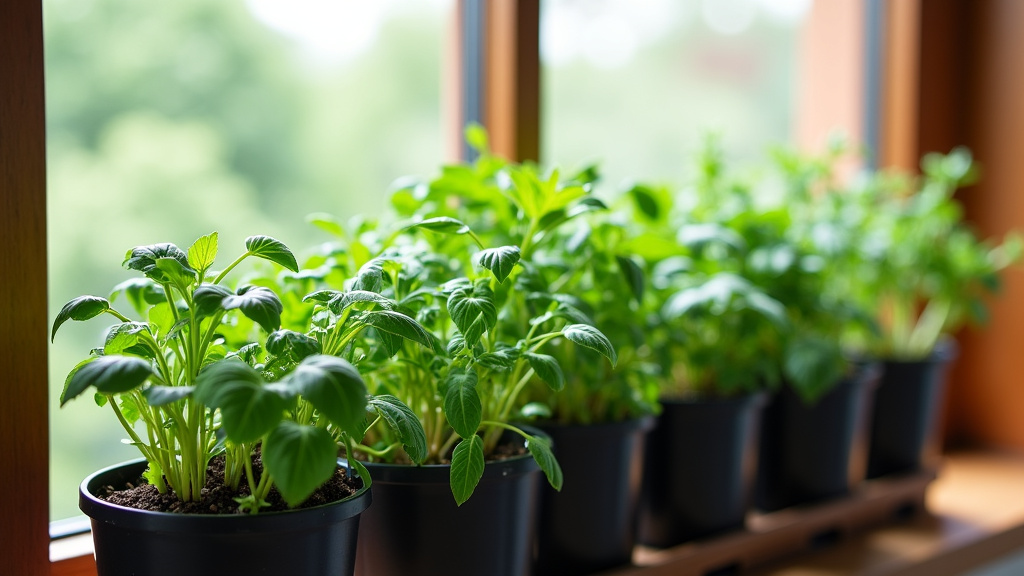
Choosing the right pots and soil is essential for healthy herb growth. Herbs don’t like to sit in soggy soil. This can lead to root rot. Good drainage is key. We’ve found that pots with drainage holes at the bottom are non-negotiable. Terracotta pots are a great option. They allow the soil to dry out more quickly than plastic pots.
Pot Size Matters
Start with pots that are appropriately sized for your herbs. For seedlings or small herbs, a 4-6 inch pot is often sufficient. As your herbs grow, you may need to repot them into larger containers. Overcrowding can stunt growth and make plants more susceptible to disease. We recommend checking the root ball of your herb. If roots are circling tightly around the bottom, it’s likely time to repot.
Choosing the Right Potting Mix
Don’t use garden soil for your indoor herb garden. Garden soil can be too dense. It also may contain pests or diseases. Opt for a high-quality, well-draining potting mix. Many potting mixes are specially formulated for containers. You can also create your own by mixing equal parts peat moss or coco coir, perlite, and compost. Many horticultural sources advise using a mix that offers good aeration.
Watering Your Herbs Wisely
Watering is one of the trickiest parts of indoor gardening. It’s easy to overwater or underwater. The general rule is to water when the top inch of soil feels dry to the touch. Stick your finger into the soil. If it feels dry, it’s time to water. If it feels moist, wait a bit longer. We’ve found that smaller pots dry out faster than larger ones. Also, herbs in sunnier spots will need water more frequently than those in shadier locations.
Techniques for Effective Watering
When you water, do so thoroughly. Water until you see excess water draining from the bottom of the pot. Discard any water that collects in the saucer after about 30 minutes. This prevents the roots from sitting in standing water. Avoid getting water directly on the leaves. This can encourage fungal diseases. Watering the soil directly is best. Many plant care guides suggest watering early in the day.
Don’t Forget Air Circulation and Feeding
Good air circulation is vital for preventing fungal issues. Even without strong breezes, try to ensure some airflow around your plants. Avoid overcrowding them. If you notice your herbs looking a bit pale or growing very slowly, they might need nutrients. Most potting mixes contain starter fertilizer. However, after a few months, you may need to supplement. We’ve found that a balanced liquid fertilizer diluted to half strength, applied every 4-6 weeks during the growing season, works well.
Quick Checklist for Your Windowsill Herb Garden
- Choose shade-tolerant herbs like mint or parsley.
- Place plants on your sunniest available windowsill.
- Use pots with drainage holes and a good potting mix.
- Water only when the top inch of soil is dry.
- Ensure good air circulation around your plants.
- Fertilize sparingly during the growing season.
Conclusion
Growing your own herb garden on a windowsill without grow lights is entirely achievable. You’ve learned that selecting the right herbs, like mint and parsley, is key. Placing them in your sunniest spot and using well-draining pots with quality soil will set you up for success. Remember to water wisely, checking the soil before you drench, and ensure good airflow. With these simple steps, you can enjoy the fresh flavors of home-grown herbs year-round. Your next step? Gather your supplies and pick out your first few herbs to get started!
Frequently Asked Questions
Can I really grow herbs on a north-facing windowsill?
Yes, but your options will be limited to the most shade-tolerant herbs. Mint and parsley are your best bets for a north-facing window. You might see slower growth compared to sunnier spots, but it’s still possible to get a harvest.
How often should I water my windowsill herbs?
Water when the top inch of soil feels dry. This usually means watering every few days to a week, depending on your light, humidity, and pot size. It’s better to underwater slightly than to overwater, as soggy soil can kill your herbs.
What if my herbs start to look yellow and leggy?
Yellow and leggy growth typically indicates a lack of light. Try moving your herbs to a brighter location if possible. You can also rotate the pots regularly to ensure all sides get some light exposure. Your herbs might also benefit from a diluted fertilizer feeding.
Can I grow herbs from seeds on my windowsill?
You can absolutely grow herbs from seeds! For less sunny windowsills, starting with herbs that tolerate shade is wise. Be patient, as germination can take time, and ensure the soil stays consistently moist but not waterlogged until seedlings emerge.
My terracotta pots seem to dry out too quickly. What can I do?
Terracotta pots are great for drainage but do dry out fast. If you find yourself watering daily, consider using slightly larger pots. You could also try a pot with a glaze on the inside, or even place your terracotta pot inside a larger, solid decorative pot to help retain some moisture.