How to Grow an Indoor Vegetable Garden in Winter?
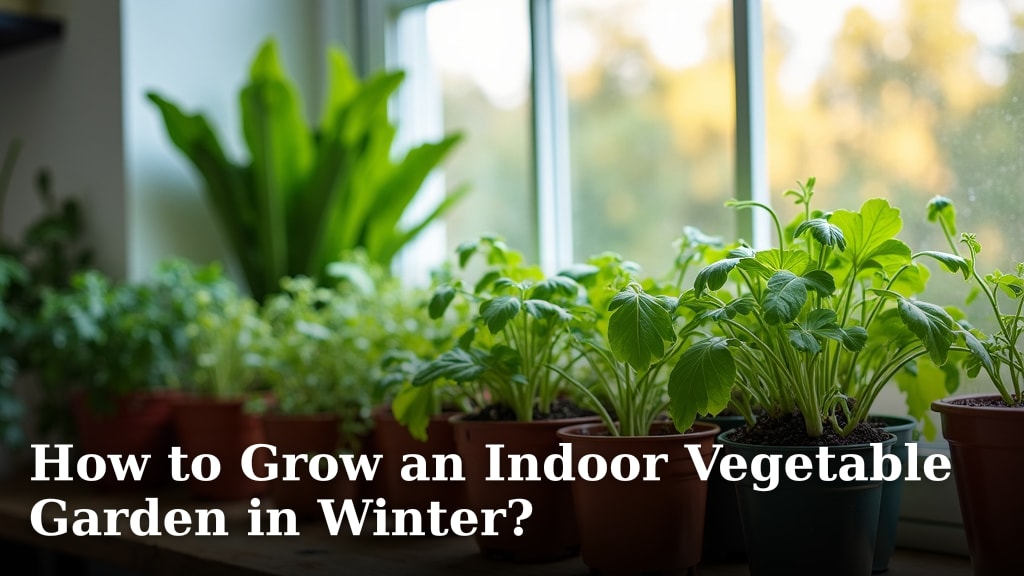
You can grow an indoor vegetable garden in winter by providing plants with the right conditions. This means controlling light, temperature, and water. With a little setup, you can enjoy fresh produce all year round.
Many people think gardening stops when the snow falls. But with an indoor setup, you can keep your green thumb active. We found that simple systems work best for beginners. You can grow herbs, leafy greens, and even some root vegetables right in your home.
- Choose the right crops for indoor growth.
- Understand your plants’ light needs.
- Control temperature and humidity.
- Learn proper watering and feeding.
- Harvest regularly for continuous growth.
Ready to turn your home into a winter oasis? Let’s walk through exactly how to set up your indoor vegetable garden, step by step.
Setting Up Your Indoor Edible Garden
Starting your indoor garden is simpler than you might think. You’ll want to think about location first. Where can your plants get the most natural light?
Even with good natural light, you’ll likely need supplemental lighting. We found that proper planning saves time and money in the long run.
Choosing the Right Spot for Your Plants
Location is key. Look for a south-facing window if you have one. These windows get the most consistent sunlight during winter months.
However, natural light might not be enough. Even a bright spot can be too dim for many vegetables, especially on cloudy winter days.
Consider temperature and drafts. Avoid placing plants directly next to cold windows or heating vents. Big temperature swings can stress your plants.
Selecting Your Indoor Garden System
There are many ways to grow vegetables indoors. Your choice depends on your space, budget, and how hands-on you want to be.
We found that soil-based systems are great for beginners. They are forgiving and familiar. Hydroponic systems offer faster growth but require more initial setup.
Soil-Based Gardening
This is the most common and easiest method to start. You use pots, soil, and a tray for drainage. It’s very similar to outdoor gardening.
Choose good quality potting mix. It should be light, airy, and drain well. Don’t use garden soil from outside; it can harbor pests and diseases.
Make sure your pots have drainage holes. This prevents roots from sitting in water, which can lead to rot.
Hydroponic Systems
Hydroponics grows plants without soil. Roots sit in nutrient-rich water. This method often yields faster growth and uses less water.
There are simple hydroponic kits available for home use. These can be a fun project once you’ve mastered soil gardening.
Many systems use a pump to circulate water. This adds a bit more complexity but can be very rewarding. We found that leafy greens thrive in hydroponics (National Gardening Association).
Providing Optimal Conditions for Growth
Plants need light, water, and consistent temperatures to grow well. Indoors, you have full control over these factors. This is a big advantage over outdoor gardening.
Think of yourself as a plant caretaker, providing everything they need. Your efforts will be rewarded with fresh produce.
Understanding and Managing Light Needs
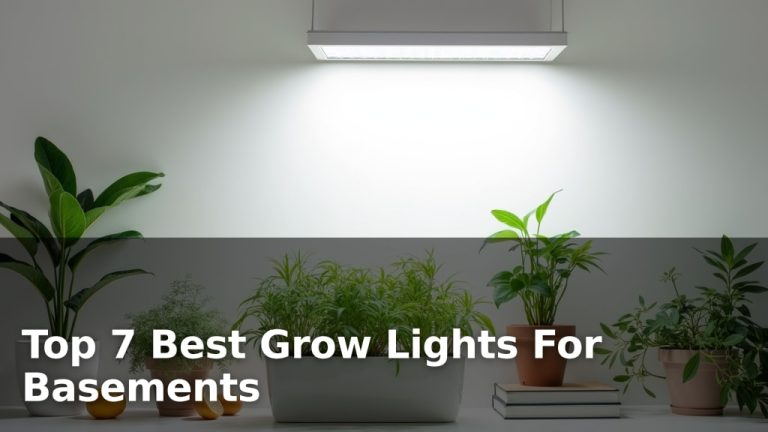
Light is probably the most important factor for indoor plants. Sunlight decreases dramatically in winter. This means artificial light is often essential.
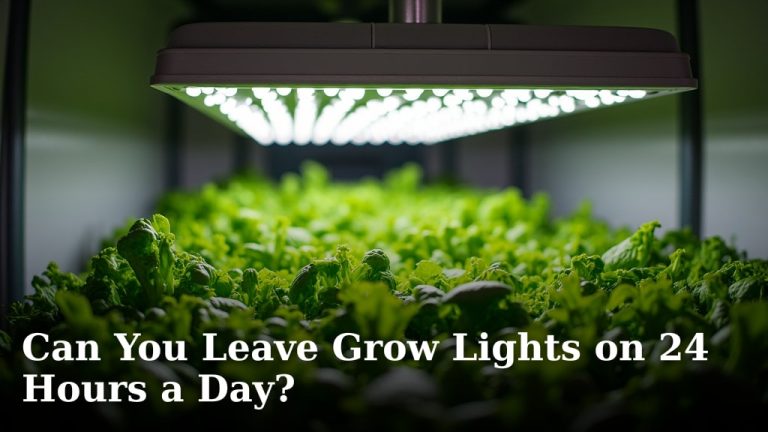
Most vegetables need at least 12-16 hours of light per day. Some, like fruiting plants, need even more. We found that grow lights make a huge difference.
Types of Grow Lights
Several types of grow lights are available. Each has pros and cons. Consider what works best for your setup.
- Fluorescent Lights (T5 or T8): Good for leafy greens and herbs. They are energy-efficient and don’t produce much heat. They need to be close to plants.
- LED Grow Lights: Very energy-efficient and long-lasting. They come in full-spectrum options, suitable for all plant stages, including fruiting. They can be a higher initial cost.
- High-Intensity Discharge (HID) Lights: Powerful, but generate a lot of heat and use more energy. Best for large-scale setups or fruiting plants.
Place your grow lights on timers. This ensures your plants get a consistent amount of light every day. It also makes your life easier.
Temperature and Humidity Control
Most vegetables prefer temperatures similar to what humans enjoy: 65-75°F (18-24°C). Keep your growing area away from cold drafts or hot radiators.
Humidity is also important. Indoor air can be very dry in winter, especially with heating on. Many plants prefer moderate humidity.
You can increase humidity by misting plants, using a pebble tray, or running a small humidifier. We found that a little humidity helps prevent crispy leaves.
Watering and Fertilizing Your Indoor Garden
Watering correctly is critical. Overwatering is a common mistake that can lead to root rot. Underwatering can cause plants to wilt and die.
The best way to tell if your plants need water is to check the soil. Stick your finger about an inch or two into the soil. If it feels dry, it’s time to water.
When you water, do it thoroughly until water drains from the bottom of the pot. This ensures all roots get moisture. Empty any excess water from the drainage tray after 30 minutes.
Indoor plants need nutrients. Their potting mix doesn’t get replenished like outdoor soil. Use a balanced liquid fertilizer designed for vegetables.
Follow the directions on the fertilizer bottle. It’s often best to use a weaker solution more frequently than a strong solution rarely. We found that monthly feeding works for most plants.
Choosing the Best Vegetables for Indoor Winter Growing
Not all vegetables are suited for indoor growing. Focus on varieties that are compact, have lower light requirements, and produce quickly.
This approach maximizes your chances of success and helps you enjoy fresh harvests sooner.
| Crop Type | Recommended Varieties | Light Needs (Daily Hours) |
|---|---|---|
| Leafy Greens | Lettuce (Romaine, Butterhead), Spinach, Arugula, Kale (Baby) | 12-14 hours |
| Herbs | Basil, Chives, Mint, Parsley, Cilantro, Thyme | 10-12 hours |
| Root Vegetables (Mini) | Radishes (French Breakfast), Carrots (Thumbelina), Green Onions | 12-14 hours |
| Fruiting Plants (Dwarf) | Cherry Tomatoes (Micro Tom), Small Peppers (Mini Belle) | 14-16 hours |
Quick-Growing Greens and Herbs
Leafy greens and herbs are fantastic for indoor gardens. They grow fast, don’t need intense light, and you can harvest them repeatedly.
Think about what you use often in your cooking. Fresh basil for pasta? Cilantro for tacos? Homegrown is always better.
Many herbs can be grown from cuttings too. This is a fun and economical way to expand your garden. Just place a cutting in water until roots form, then plant it.
Compact Root Vegetables and Fruiting Plants
Don’t dismiss root vegetables entirely. Smaller varieties like radishes and mini carrots can do well in deeper pots.
Fruiting plants, like tomatoes and peppers, are more challenging. They need more light, heat, and space. Look for dwarf or “micro” varieties specifically bred for containers.
Pollination can be an issue for fruiting plants indoors. You might need to hand-pollinate using a small paintbrush to transfer pollen.
Maintaining and Harvesting Your Garden
Once your garden is growing, ongoing care is important. Regular maintenance helps keep your plants healthy and productive.
Harvesting correctly encourages more growth. It’s a continuous cycle of planting, growing, and enjoying.
Pest and Disease Management
Even indoors, pests can find your plants. Common indoor pests include aphids, spider mites, and fungus gnats. Inspect your plants regularly.
Catching problems early makes them easier to solve. Look for tiny bugs, sticky residue, or damaged leaves.
We found that neem oil spray is a good organic option for pest control. Always read product labels carefully. Good air circulation also helps prevent fungal diseases.
Pruning and Pinching for Better Yields
Pruning means removing parts of the plant. Pinching involves removing just the very tip of a growing stem. Both encourage bushier growth.
For herbs like basil, pinching off flower buds makes the plant produce more leaves. For leafy greens, simply harvest the outer leaves first. This allows the inner leaves to continue growing.
Harvesting Your Hard Work
The best part of indoor gardening is the harvest! Harvest regularly to encourage new growth. Don’t wait for plants to get too big or woody.
Use clean scissors or a sharp knife to harvest. This minimizes damage to the plant. Enjoy your fresh, home-grown produce!
Indoor Gardening Checklist:
- Choose appropriate plants for indoor growing.
- Ensure adequate light, using grow lights if needed.
- Maintain consistent room temperature (65-75°F).
- Water only when the top inch or two of soil is dry.
- Fertilize regularly with a balanced liquid feed.
- Monitor for pests and diseases, and act quickly.
Conclusion
Growing an indoor vegetable garden in winter is more accessible than you might think. By providing the right light, consistent temperatures, and proper watering, you can enjoy fresh produce all year. Remember to choose appropriate plants and monitor them for any issues. We found that a bit of planning and consistent care lead to rewarding harvests.
You now have all the tools to get started. Why not pick a few favorite herbs or greens and begin your indoor gardening journey today? Your kitchen will thank you.
Frequently Asked Questions
Do I need special seeds for indoor vegetable gardening?
No, you generally don’t need special seeds for indoor gardening. You can use most standard vegetable and herb seeds. However, choosing varieties that are compact or known to do well in containers will increase your success.
How can I tell if my plants are getting enough light indoors?
If your plants are stretching, looking pale, or have very long stems between leaves, they are likely not getting enough light. Strong, compact growth with good color indicates sufficient light. You may need to adjust your grow light’s height or duration.
What’s the easiest indoor vegetable to grow for beginners?
Leafy greens like lettuce (especially loose-leaf varieties), spinach, and arugula are some of the easiest indoor vegetables. Herbs such as basil, mint, and chives are also very forgiving and grow quickly, making them great for new gardeners.
Can I use regular garden soil for my indoor plants?
We do not recommend using regular garden soil for indoor plants. Garden soil can compact too much in pots, hindering drainage and aeration. It may also contain pests, diseases, or weed seeds that you don’t want in your home.
How often should I fertilize my indoor vegetable garden?
Most indoor vegetables benefit from fertilization every 2-4 weeks, depending on the plant and fertilizer strength. Always use a balanced liquid fertilizer formulated for edibles and follow the product’s instructions. Under-fertilizing is better than over-fertilizing.