What Is the Best Indoor Plant for Beginners?
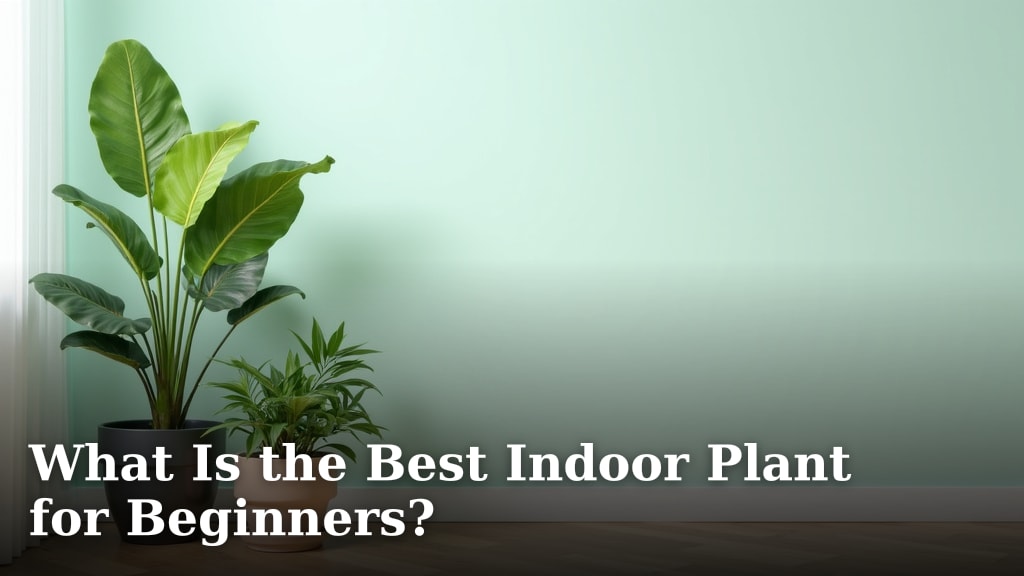
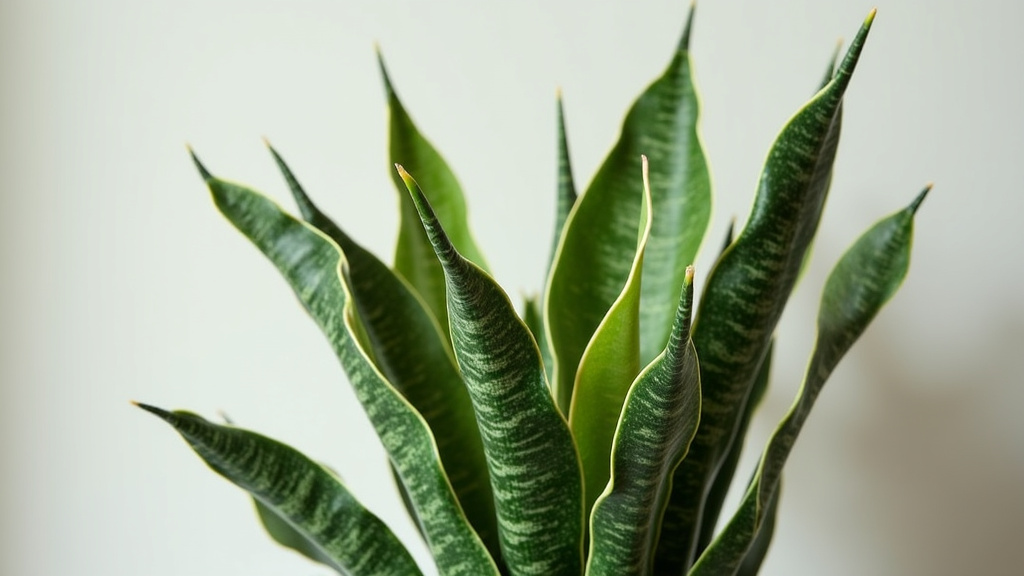
The best indoor plant for beginners is often the Snake Plant (Sansevieria trifasciata) because it’s incredibly forgiving and low-maintenance. You can forget to water it for weeks, and it will still thrive. It truly is a tough little survivor.
Many new plant parents worry about killing their green friends, but with a Snake Plant, those worries can fade. They adapt well to various light conditions, from bright indirect to low light. Plus, they help clean your indoor air, making your home a healthier place.
- Snake Plants are ideal for beginners.
- They need very little water.
- They tolerate different light levels.
- Snake Plants improve air quality.
Ready to bring some effortless greenery into your life? Let’s dive into why the Snake Plant is your perfect match and explore a few other fantastic options for new plant parents.
Your First Perfect Plant: The Snake Plant Deep Dive
The Snake Plant, also known as Sansevieria or Mother-in-Law’s Tongue, is renowned for its resilience and striking appearance. It’s often at the top of the list for new plant parents, and for good reason. Let’s explore what makes it such a star.
The Many Faces of Sansevieria
You might be surprised to learn there are many types of Snake Plants. While all share hardy traits, their looks can vary. The most common is Sansevieria trifasciata ‘Laurentii’, with its tall, sword-like leaves edged in yellow.
Other popular varieties include the compact ‘Hahnii’ (Bird’s Nest Sansevieria) and the sleek, cylindrical ‘Cylindrica’. Each brings a unique texture and form to your space, but they all offer the same easy-care benefits.
Why Snake Plants Excel for Beginners
It’s not just hype; Snake Plants genuinely are easy keepers. They tolerate many conditions that would send other plants into a dramatic decline. This makes them perfect for learning the ropes of plant care without constant stress.
Think of it as your plant training wheels. You can experiment a little without fear of instant failure. We’ve found this plant allows you to build confidence as a plant parent.
Watering Schedule: Less is More
This is where many new plant owners go wrong: they overwater. With a Snake Plant, underwatering is almost always better than overwatering. They are succulents, meaning they store water in their leaves.
Only water your Snake Plant when the soil is completely dry. You can stick your finger about two inches deep into the soil. If it feels dry, then it’s time for a drink. In winter, you might only water once a month or even less. Err on the side of caution.
Light Requirements: Adapts to Your Home
Snake Plants are incredibly flexible regarding light. They will be happiest in bright, indirect light. However, they can also survive and even do well in low-light conditions. This means you can place them in many spots in your home.
Avoid direct, intense sunlight for extended periods, as this can scorch their leaves. But a north-facing window, a shaded corner, or even an office desk with fluorescent lights can work. This adaptability is a HUGE win for beginners.
Soil and Potting: Keep it Draining
Good drainage is crucial for Snake Plants. Use a well-draining potting mix designed for succulents or cacti. If you only have regular potting soil, you can mix in some perlite or coarse sand to improve drainage.
Always choose a pot with a drainage hole. If the pot doesn’t have one, either drill one or use it as a cachepot (decorative outer pot) with your plant in a smaller, draining nursery pot inside. Root rot is the enemy!
Temperature and Humidity: No Fussy Demands
Your Snake Plant will be happy in average room temperatures, generally between 65-80°F (18-27°C). They don’t need high humidity, making them ideal for dryer indoor environments. They are truly undemanding companions.
Beyond the Snake Plant: Other Beginner-Friendly Choices
While the Snake Plant often takes the crown, it’s not the only easy-care plant out there. If you’re looking to expand your indoor jungle, here are a few other fantastic options that are very forgiving for new plant parents.
ZZ Plant (Zamioculcas zamiifolia)
The ZZ Plant is another super-resilient choice. It shares many characteristics with the Snake Plant, including its ability to thrive on neglect. It has thick, waxy, dark green leaves that store water, much like a succulent.
- Watering: Similar to Snake Plants, only water when the soil is completely dry. They can go weeks without water.
- Light: Prefers bright indirect light but tolerates very low light conditions well. Avoid direct sun.
- Appearance: Offers a different texture than the Snake Plant, with upright stems covered in glossy, oval-shaped leaves.
Pothos (Epipremnum aureum)
Pothos is often called the “Devil’s Ivy” because it’s so hard to kill. It’s a vining plant, which means it will trail beautifully from shelves or hanging baskets. There are many varieties with different variegation patterns, from solid green to speckled white or yellow.
- Watering: Water when the top inch or two of soil feels dry. It will tell you when it’s thirsty by slightly drooping its leaves.
- Light: Prefers medium to bright indirect light, but can tolerate low light. Variegated varieties might lose some of their coloring in very low light.
- Growth: Pothos grows quickly and is easy to propagate, meaning you can make new plants from cuttings!
Spider Plant (Chlorophytum comosum)
Spider Plants are classic houseplants known for their arching leaves and little “spiderettes” that dangle from the mother plant. These babies can be easily removed and propagated, making them great for sharing with friends.
- Watering: Keep the soil consistently moist but not waterlogged. Allow the top inch of soil to dry out between waterings.
- Light: Thrives in bright to medium indirect light. Direct sun can scorch its leaves.
- Pet-Friendly: A bonus for pet owners, Spider Plants are generally considered non-toxic to cats and dogs (ASPCA).
Choosing Your First Green Friend: A Quick Checklist
With so many great options, how do you pick? Here’s a simple checklist to guide your decision. No matter your choice, beginning with one of these plants sets you up for success and a rewarding journey into plant parenthood.
- Do you often forget to water plants? (Choose Snake Plant or ZZ Plant)
- Do you have a brightly lit spot, or is your home a bit dim? (All options are flexible, but Snake and ZZ tolerate low light best)
- Do you prefer an upright plant or something that trails? (Upright: Snake, ZZ; Trailing: Pothos)
- Do you want a plant that produces “babies” for sharing? (Spider Plant is perfect for this)
- Are you looking for something very visually striking or more understated? (Variety is available in all these options)
Common Beginner Mistakes and How to Avoid Them
Even with easy-care plants, you might encounter a hurdle or two. It’s all part of the learning process! Don’t get discouraged. Here are some common pitfalls and easy ways to sidestep them.
Overwatering: The Silent Killer
This is by far the most common mistake. Beginners often water too frequently because they think plants need constant moisture. For most indoor plants, especially those we’ve discussed, soggy roots lead to root rot, which is deadly.
Solution: Always check the soil moisture before watering. Use your finger or a moisture meter. When in doubt, wait another day or two. It’s easier to revive an underwatered plant than an overwatered one.
Ignoring Drainage Holes
A pot without drainage is a recipe for disaster. Excess water sits at the bottom, creating a swamp for your plant’s roots. This often leads to the aforementioned root rot, even if you’re careful with watering frequency.
Solution: Always use pots with drainage holes. If you love a decorative pot without a hole, use it as a cachepot. Keep your plant in a simple nursery pot with drainage, then place that inside your pretty outer pot. Remove the plant when you water it, let it drain completely, then put it back.
Too Much Direct Sunlight
While plants need light, many indoor plants, especially those that naturally grow on forest floors or under canopies, don’t appreciate harsh direct sunlight. It’s like sending them to a desert when they’re used to a jungle’s dappled shade.
Solution: Most of these beginner plants prefer bright, indirect light. This means a spot near a window but not directly in the path of the sun’s strongest rays. If the light feels intense on your hand, it might be too strong for your plant.
| Plant Name | Ease of Care Rating (1-5, 5=Easiest) | Key Benefit for Beginners |
|---|---|---|
| Snake Plant | 5 | Extremely forgiving, pest-resistant |
| ZZ Plant | 5 | Thrives on neglect, drought-tolerant |
| Pothos | 4 | Very adaptable, easy to propagate |
| Spider Plant | 4 | Pet-friendly, produces plantlets |
Conclusion
Bringing a plant into your home doesn’t have to be intimidating. As you’ve seen, options like the Snake Plant, ZZ Plant, Pothos, and Spider Plant are incredibly forgiving. They’re perfect for building your confidence as a plant parent.
Remember to prioritize proper watering practices and good drainage; these are your secret weapons against common mistakes. Pick the plant that best fits your space and lifestyle. You’re now ready to grow your green thumb and enjoy the many benefits of indoor plants!
Frequently Asked Questions
How do I know if my beginner plant needs water?
For most beginner plants like Snake Plants or ZZ Plants, the best way to check is by feeling the soil. Stick your finger about two inches deep. If it feels completely dry, it’s time to water. Overwatering is a common mistake, so when in doubt, wait another day.
Can I put a beginner plant in a pot without drainage holes?
It’s generally not recommended to plant directly into a pot without drainage holes. Water will collect at the bottom, leading to root rot. Instead, use a nursery pot with drainage for your plant and place it inside your decorative pot as a “cachepot.”
What’s the easiest way to get more beginner plants without buying them?
Many beginner-friendly plants, especially Pothos and Spider Plants, are very easy to propagate. You can often take cuttings and root them in water or soil to create new plants. This is a fun and free way to expand your collection or share with friends.
My new plant’s leaves are turning yellow. What could be wrong?
Yellowing leaves often signal an issue with watering, most commonly overwatering. Check the soil moisture carefully. It can also sometimes be a sign of too little light or a nutrient deficiency, but start by assessing your watering routine.
Are these beginner plants safe for pets?
Some popular beginner plants, like Snake Plants and Pothos, are considered toxic if ingested by pets. Always research your chosen plant on a reputable site like the ASPCA. Spider Plants are a great choice if you have curious cats or dogs, as they are generally non-toxic.