How to Set Up a Grow Light for Indoor Plants?
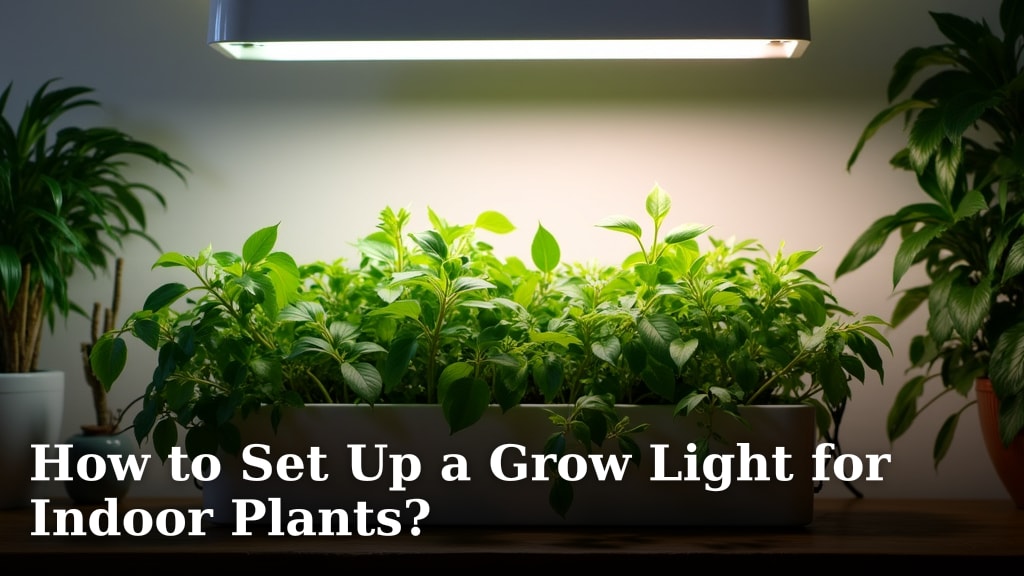
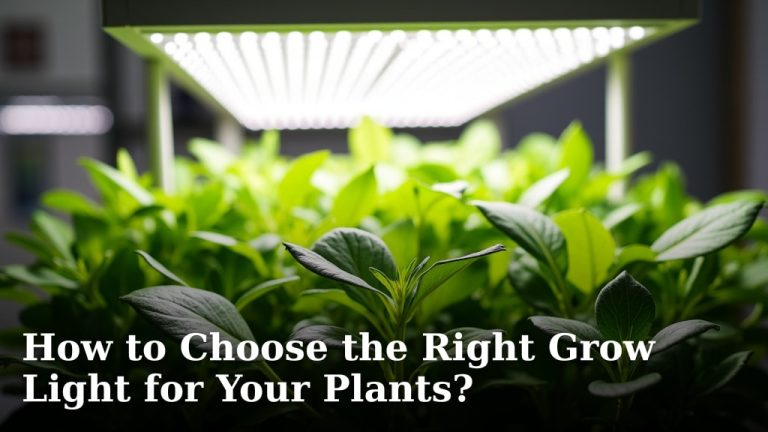
To set up a grow light for indoor plants, you need to first choose the right light, position it at the correct height, and then set a proper lighting schedule for your specific plants. We found that proper setup ensures your plants get the optimal light spectrum and intensity they need to thrive indoors.
Many experts say that selecting the best type of grow light, like LED or fluorescent, depends on your plant’s needs and your budget. Getting the height right is also super important; too close and you burn leaves, too far and they stretch. We will help you understand the ins and outs of grow lights for happy, healthy indoor plants.
- Choose the right grow light type.
- Understand light spectrums and intensity.
- Position lights at the correct height.
- Set an appropriate lighting schedule.
- Avoid common setup mistakes.
Ready to give your indoor garden the best light possible? Let’s walk through how to set up a grow light, step by step, so your plants can flourish.
Setting Up Your Indoor Grow Lights for Success
Setting up your indoor grow lights correctly is key. You want to give your plants the best chance to grow strong and healthy. This means picking the right light type, placing it correctly, and setting a good schedule.
Choosing the Right Grow Light for Your Plants
The first step is picking the right grow light. Different plants need different light. Your budget and space also play a role.
LED Grow Lights
LEDs (Light Emitting Diodes) are very popular. They are energy-efficient and have a long lifespan. We found that you can customize the light spectrum for various plant growth stages.
- Pros: Low heat output, energy-saving, long-lasting, customizable spectrum.
- Cons: Higher upfront cost, can be very intense if not dimmed or raised.
Fluorescent Grow Lights (T5/CFL)
Fluorescent lights are a good choice for smaller plants. They are also great for seedlings and leafy greens. T5 HO (High Output) bulbs are the most common type for growing.
- Pros: Affordable, low heat, good for starting seeds.
- Cons: Less intense than LEDs, bulbs need replacing periodically.
High-Intensity Discharge (HID) Grow Lights
HID lights, like Metal Halide (MH) and High-Pressure Sodium (HPS), are powerful. They are often used for large-scale growing. MH lights are for vegetative growth, and HPS lights are for flowering.
- Pros: Very powerful, good for large operations.
- Cons: High heat output, use more energy, shorter lifespan than LEDs.
Here’s a quick comparison to help you decide:
| Light Type | Key Benefit | Best For | Cost (Upfront) |
|---|---|---|---|
| LED | Energy Efficiency | All growth stages, customizable | High |
| Fluorescent | Low Heat & Cost | Seedlings, leafy greens | Low |
| HID | High Intensity | Large, flowering plants | Medium |
Understanding Light Spectrum and Intensity
Plants don’t just need any light. They need specific colors, or a light spectrum, and a certain amount of it, which is intensity. Think of it like a specialized diet for your plants.
The Importance of Light Spectrum
The light spectrum refers to the colors of light emitted. Plants mostly use red and blue light for photosynthesis. Red light helps with flowering and fruiting. Blue light is good for leafy growth and strong stems.
- Full-spectrum lights mimic natural sunlight. They contain all colors.
- Your plants will thank you for providing the right “color food” at the right time.
Measuring Light Intensity (PPFD)
Light intensity is how much light reaches your plants. We measure this in PPFD (Photosynthetic Photon Flux Density). This tells you how many usable light particles hit the plant per second.
Too little light, and plants stretch or become weak. Too much light, and they can get stressed or burned. It’s a delicate balance, just like giving them the right amount of water.
Many experts say specific PPFD levels are crucial (American Society for Horticultural Science). For example, seedlings might need 100-200 PPFD, while mature, flowering plants could need 600-900 PPFD.
Correct Positioning: Where to Hang Your Grow Lights
Once you have your light, where do you put it? This is super important! The distance from the light to your plants affects intensity and coverage.
Finding the Optimal Hanging Height
The right height depends on your light type and the plant’s needs. We found that most manufacturers provide a recommended hanging height. Always check your light’s manual first.
- LEDs: Often hung 12-36 inches above the canopy. Stronger LEDs need to be higher.
- Fluorescents: Typically 4-12 inches above the plants due to lower intensity.
- HIDs: Usually 24-48 inches above, as they are very powerful and produce more heat.
Adjusting for Plant Growth
As your plants grow, you’ll need to adjust the light height. This is a continuous process. You can use adjustable hangers or chains to make this easy.
A simple test: Place your hand under the light at canopy level for 30 seconds. If it feels uncomfortably hot to your hand, it’s too hot for your plants. Raise the light.
Setting the Right Lighting Schedule
Plants need a “day” and “night” cycle, just like us. This schedule tells their internal clock when to grow and when to rest. It’s truly a big deal for their health.
Understanding Photoperiod for Different Plants
The length of light (photoperiod) directly affects plant development. Different plants have different needs:
- Vegetative Growth: Most plants need 16-18 hours of light and 6-8 hours of darkness. This encourages leafy growth.
- Flowering/Fruiting: Many flowering plants need 12 hours of light and 12 hours of uninterrupted darkness to trigger flowering.
- Seedlings/Clones: Often benefit from 18-24 hours of light. Constant light can speed up early growth but some experts suggest a brief dark period.
Research the specific needs of your plant type. This information is readily available for most common indoor plants.
Using a Timer for Consistency
A simple timer is your best friend here. It ensures your plants get a consistent schedule daily. This predictability reduces stress on your plants and makes your life easier. No need to turn lights on and off every day!
Consistency is paramount. Uninterrupted darkness is just as important as light during the dark cycle. Even a small light leak can confuse your plants’ internal clocks.
Common Grow Light Setup Mistakes to Avoid
Even with the best intentions, mistakes can happen. Knowing what to watch out for can save your plants from stress or worse.
Ignoring Heat Management
Grow lights, especially HIDs, generate heat. Excessive heat can burn leaves and stunt growth. Ensure good airflow and ventilation in your grow space. Fans can help dissipate heat and strengthen plant stems.
Many guidelines suggest keeping your grow room temperature in a comfortable range for humans, usually between 68-78°F (20-25°C) (University of Florida IFAS Extension).
Misjudging Light Coverage
Make sure your light covers all your plants evenly. A single light might not be enough for a wide grow area. Look for hot spots (areas directly under the light) and areas that are too dim. If plants in the corners are stretching, they’re not getting enough light.
Forgetting Routine Maintenance
Lights get dusty. Bulbs degrade over time. Regularly wipe down your light fixtures and reflectors. Replace older fluorescent or HID bulbs as they lose efficiency. LEDs usually last much longer but can still collect dust.
This simple habit can make a big difference in light output. Think of it like cleaning your eyeglasses – clearer vision for your plants!
Your Grow Light Setup Checklist
Ready to get started? Use this quick checklist to ensure you’ve covered all the bases for your indoor grow light setup.
Choose the correct grow light type for your plants and space.
Research your plants’ specific light spectrum and intensity needs (PPFD).
Adjust the hanging height of your light for optimal coverage and intensity.
Set a consistent light/dark schedule using a reliable timer.
Ensure proper ventilation and temperature control in your grow area.
Regularly clean your light and monitor plant health for any signs of stress.
Conclusion
Setting up your grow lights might seem like a lot to learn, but with the right choices, your indoor plants will truly thrive. You’ve now got the tools to select the best light type, understand its spectrum and intensity, and position it perfectly for growth.
Remember to keep a consistent schedule and manage heat to avoid common pitfalls. By following these steps, you’re not just setting up a light; you’re creating an optimal environment for happy, productive indoor gardening. Get ready to watch your green friends flourish under your expert care!
Frequently Asked Questions
How do I know if my plants are getting too much light?
If your plants are getting too much light, you’ll often see their leaves turning yellow or developing brown, crispy spots. You might also notice them curling at the edges, as if trying to protect themselves. This usually means the light is too intense or too close, so try raising it a bit.
Can I use regular household LED bulbs as grow lights?
While regular household LEDs provide light, they typically lack the specific spectrum and intensity plants need for proper growth. We found that dedicated grow lights are formulated with the right balance of red and blue light to support photosynthesis effectively. Household bulbs usually won’t give your plants enough ‘food’.
Do I need different grow lights for different stages of plant growth?
For best results, yes, different light spectrums can be beneficial for different stages. Blue light helps with leafy development (vegetative growth), while red light encourages flowering and fruiting. Many full-spectrum LED grow lights today offer adjustable spectrums to cater to these different needs.
How far should a grow light be from seedlings?
Seedlings are delicate and don’t need as much intensity as mature plants. For most fluorescent lights, about 2-4 inches is a good starting point. For LEDs, it might be more like 12-18 inches, depending on their power. Observe your seedlings closely for any signs of stretching or burning and adjust accordingly.
Is it okay to run my grow lights 24 hours a day?
While some plants, like seedlings, can tolerate extended light periods, most plants need a period of darkness to complete their growth cycles. This “night” period is crucial for processes like respiration. Running lights 24/7 can stress plants and prevent optimal development, especially for flowering varieties.