What Is the Best Grow Light for Indoor Plants?
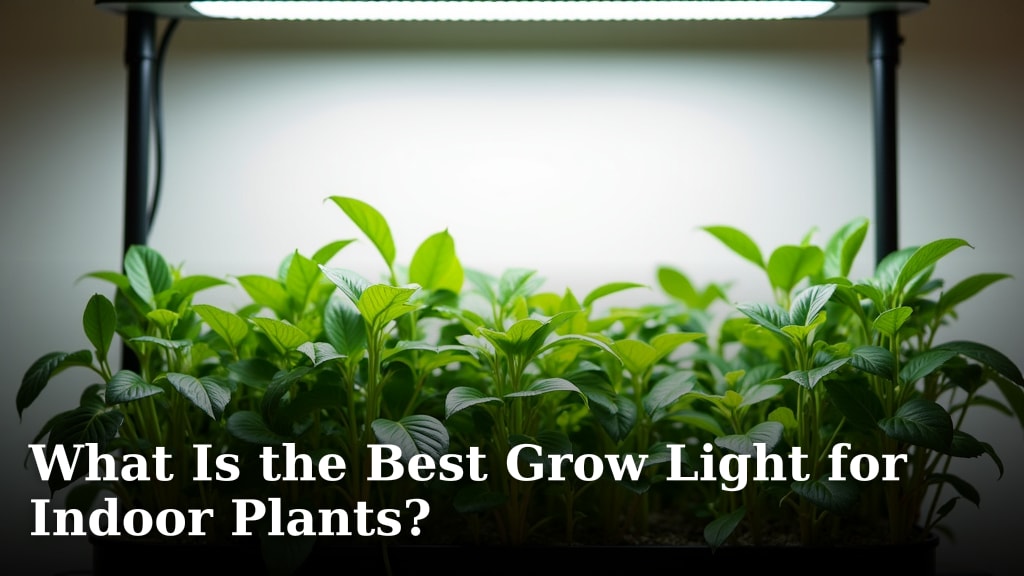
The best grow light for indoor plants is usually a full-spectrum LED light. We found these offer the ideal balance of brightness and energy efficiency for most houseplants. They mimic natural sunlight very closely.
You want a grow light that provides the right kind of light for your plants to thrive. We discovered that the light’s spectrum and intensity are super important. Not all grow lights are created equal, so choosing wisely saves you frustration later.
- Full-spectrum LEDs are often best.
- Light spectrum and intensity matter most.
- Different plants might need different lights.
- LEDs are energy efficient and long lasting.
- Consider your space and plant types.
Below, we break down everything you need to know about choosing the perfect grow light for your green friends. Let’s make your indoor garden flourish!
Choosing the Optimal Grow Light for Your Indoor Plants
The optimal grow light for most indoor plants is a full-spectrum LED light. This type provides the complete range of light wavelengths plants need, mimicking natural sunlight.
You might be wondering, “Why does this matter so much?” Well, plants need light not just for growing big, but for all their vital processes. Think of light as their food source and their energy. Different types of plants can have slightly different needs, but full-spectrum pretty much covers all your bases.
Understanding Light Spectrum: More Than Just Brightness
When we talk about the light spectrum, we’re discussing the individual “colors” of light. Just like a rainbow shows you all the colors in sunlight, a grow light’s spectrum shows you which colors it emits. Your plants “see” and use these colors in specific ways.
The Role of Red Light
Red light is super important for flowering and fruiting. If you have plants that bloom, like orchids or African violets, or grow fruits like tomatoes, red light encourages them to produce those beautiful blossoms and tasty treats. We found it’s also essential for stem growth (National Center for Biotechnology Information).
The Power of Blue Light
Then there’s blue light. This is crucial for leafy, bushy growth. If you’re growing herbs, lettuce, or just want a really lush, green houseplant, blue light is your friend. It helps plants stay compact and strong, preventing them from getting leggy and stretched out.
The Benefits of Full-Spectrum Light
So, what about full-spectrum light? It combines all these colors, plus some green and yellow, just like the sun. This balanced approach supports growth from seedling to maturity. We found that full-spectrum lights help mimic plants’ natural outdoor environment, leading to healthier, more robust plants overall.
Light Intensity and Duration: How Much and How Long?
Once you understand the spectrum, the next big questions are “how bright should it be?” and “how long should I leave it on?” This is all about light intensity and duration. It’s like feeding your plants – too little, and they starve; too much, and they get overwhelmed.
Measuring Light Intensity: PPFD and DLI
You’ll often see terms like PPFD (Photosynthetic Photon Flux Density) and DLI (Daily Light Integral) when researching grow lights. Don’t let these big words scare you. PPFD is basically how many usable light particles (photons) hit your plant each second. DLI is the total amount of light your plant gets in a whole day.
Think of PPFD like the instantaneous water flow from a faucet, and DLI as the total amount of water you put in a bucket over 24 hours. Different plants need different “buckets full” of light. High-light plants, like many succulents or fruiting plants, need more. Low-light plants, like ZZ plants or ferns, need less.
Optimal Light Duration for Various Plants
How long you leave your lights on, the light duration, also plays a big role. Most indoor plants thrive with 12 to 16 hours of light per day. It’s rare for plants to need 24-hour light; they do need a “sleep” period. We found that a timer is your best friend here, ensuring consistency.
- Fruiting plants (tomatoes, peppers): 14-16 hours per day.
- Flowering plants (orchids, African violets): 12-14 hours per day.
- Leafy greens (herbs, lettuce): 14-16 hours per day.
- Start-up seedlings: 16-18 hours per day (but at lower intensity).
- General houseplants (Pothos, Fiddle Leaf Fig): 10-12 hours per day.
Comparing Grow Light Types: Why LEDs Often Win
There are several types of grow lights available, but LEDs (Light Emitting Diodes) are frequently touted as the best option, especially for home growers. Why the fuss? Let’s break it down.
| Light Type | Pros | Cons |
|---|---|---|
| LED | Energy efficient, long-lasting, low heat, tunable spectrum, compact. | Higher initial cost, brightness can be too intense if not chosen correctly. |
| Fluorescent (T5, CFL) | Lower cost, good for seedlings/low-light plants, less heat. | Less intense, shorter lifespan, bulky for multiple plants, not ideal for flowering. |
| HID (HPS, MH) | Very powerful, high intensity for large yields. | Very hot, high energy use, short lifespan, requires ballasts, not ideal for small spaces. |
| Incandescent | Very low initial cost. | Extremely inefficient, generates too much heat, wrong spectrum for plants. Don’t use these! |
As you can see from our research, LEDs come out on top for most home growers. They offer a fantastic balance of efficiency, effectiveness, and convenience. Plus, the heat output is much lower than older technologies, which preserves a more stable environment for your plants and less risk of burning.
Key Factors to Consider When Buying Your Grow Light
Ready to shop? Hold on just a second! Before you click “add to cart,” let’s go over a quick checklist of things to keep in mind. These considerations will help you pick the perfect light for YOUR specific situation, because what’s best for a small herb garden might not be ideal for a tall fiddle leaf fig.
Here’s a quick checklist to guide your decision:
- Plant Type: Are you growing leafy greens, flowering plants, or succulents?
- Light Coverage Area: How large is the space you need to illuminate?
- Budget: What’s your comfortable spending limit? (Remember, LEDs save money over time.)
- Heat Output: How much heat can your space tolerate? Lower heat is usually better.
- Energy Efficiency: Look for lights with good wattage for less electricity use.
- Dimming/Timer Features: Do you need to adjust intensity or automate the light cycle?
Thinking through these points before you buy will save you from potential headaches and ensure your plants get exactly what they need to flourish.
Conclusion
Choosing the best grow light might seem daunting at first, but with the insights we’ve shared, you’re now equipped to make an informed decision. Remember that a full-spectrum LED grow light offers the most efficient and versatile solution for most indoor plants, mimicking natural sunlight perfectly.
Consider your specific plant types, the size of your space, and your budget. By paying attention to light spectrum, intensity, and duration, you can create an optimal environment for your green companions. You’ll soon enjoy healthier, happier, and more vibrant indoor plants.
Frequently Asked Questions
Can I use a regular LED light bulb as a grow light?
While regular LED bulbs provide light, they often lack the specific spectrum plants need for optimal growth. They emit light primarily in the green and yellow range, which plants reflect rather than absorb. A true grow light is designed with a balanced spectrum, including red and blue wavelengths, for photosynthesis.
How far should my grow light be from my plants?
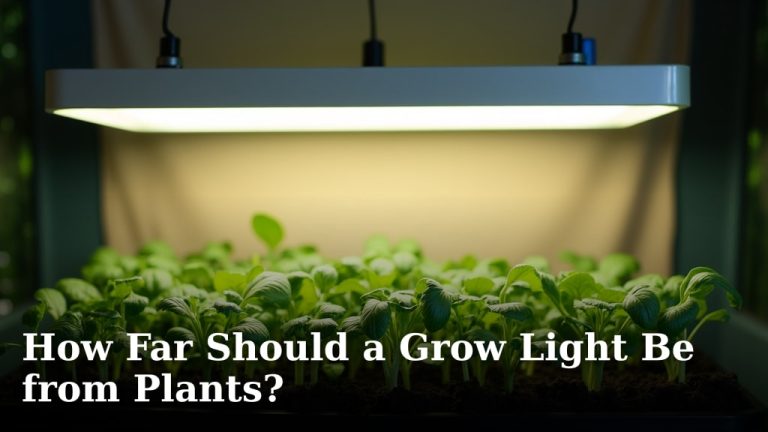
The ideal distance varies significantly based on the light’s intensity and your plant’s needs. Intense LED lights might need to be 12-24 inches away, while weaker lights could be 6-12 inches. Always check the manufacturer’s recommendations or observe your plants for signs of stretching (too far) or burning (too close).
Do plants need darkness when using a grow light?
Yes, most plants require a period of darkness, typically 6-8 hours, for essential biological processes like respiration. Continuous light can stress plants, hinder proper development, and even prevent flowering. Using a timer can ensure your plants get their essential “sleep.”
Is a more powerful grow light always better?
Not necessarily. While high-intensity lights are great for some plants, too much light can cause stress, bleaching, or burnt leaves. It’s about matching the light intensity (PPFD/DLI) to your specific plant’s light requirements. Overpowering a low-light plant can be just as detrimental as providing too little light.
How do I know if my plants are getting enough light?
Observe your plants closely! Signs of insufficient light include leggy, stretched stems, smaller leaves, pale green color, or a lack of flowering. Too much light can cause crispy, browning leaves, especially around the edges, or a bleached appearance. Adjust your light’s height or duration gradually.