How to Boost Humidity for Tropical Houseplants?
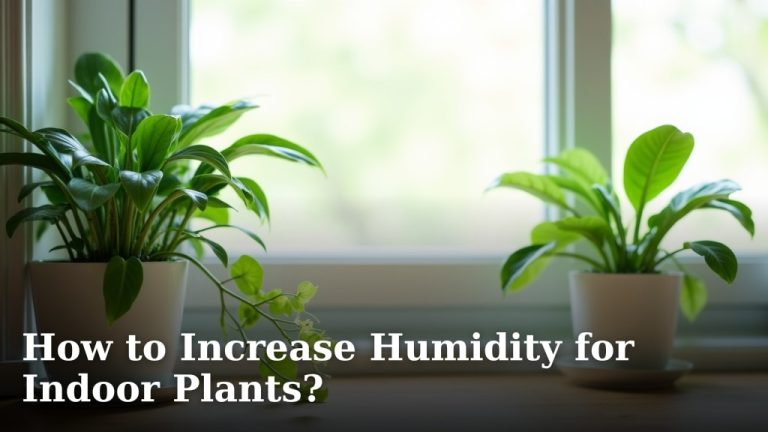
To boost humidity for tropical houseplants, you should increase moisture in the air around them. This often means using humidifiers, pebble trays, or grouping plants together. Most tropical plants thrive in environments with higher humidity levels, mimicking their natural habitats.
You know that feeling when your plant leaves start getting crispy or brown tips? That’s often a sign they’re craving more moisture. We found that consistent humidity is key for these plants to really flourish, helping them stay vibrant and healthy.
- Use a humidifier for a steady mist.
- Place plants on pebble trays with water.
- Group plants to create a microclimate.
- Mist plants (but know it’s a short-term fix).
- Consider a terrarium for very high-humidity lovers.
Let’s walk through exactly how you can create that perfect humid haven for your green friends, making them happier and healthier.
Creating a Humid Haven for Your Tropical Plants
Tropical plants absolutely adore humidity. It helps them stay lush and vibrant. You’ll notice a big difference when you give them the moisture they crave.
We found that providing consistent humidity is one of the best things you can do for these leafy friends. It’s like bringing a piece of the rainforest right into your home.
Understanding Your Plant’s Humidity Needs
Not all tropical plants need the exact same amount of humidity. Some are happy with a little extra, while others demand a lot. Knowing your plant’s specific needs helps you care for it best.
Think about where your plant comes from in the wild. Does it grow on a rainforest floor or higher up in a tree canopy? That gives you a clue about its preferred humidity levels.
Signs Your Plant Needs More Humidity
Your plants will often tell you if they’re thirsty for more moisture. Keep an eye out for these tell-tale signs.
- Crispy or brown leaf edges are a common symptom. The tips might also turn dry and brittle.
- Leaves might start to curl inward or wrinkle. This is your plant trying to conserve moisture.
- New leaves may be small or struggle to unfurl. They might even stick together.
- You might see an overall lack of vigor or growth. The plant just won’t look as happy.
Catching these signs early helps you make adjustments before more serious damage occurs.
Ideal Humidity Ranges for Common Tropicals
We’ve researched and found some common humidity preferences. This table can guide you in providing the right conditions.
| Plant Type | Humidity Preference | Signs of Low Humidity |
|---|---|---|
| Ferns (e.g., Boston Fern) | High (60-80%) | Brown, crispy fronds |
| Calatheas & Marantas | High (60-80%) | Leaf edges curl, brown tips |
| Monstera & Philodendron | Medium-High (50-70%) | Slow growth, minor leaf browning |
| Pothos & ZZ Plant | Medium (40-60%) | Yellowing leaves, slow growth |
| Orchids (Phalaenopsis) | Medium-High (50-70%) | Wrinkled leaves, shriveled blooms |
Remember, these are general guidelines. Observing your specific plant is always the best approach.
Top Strategies for Boosting Humidity
There are several effective ways to increase humidity around your plants. You can choose one method or combine a few for the best results.
The goal is to create a consistent, moist environment. This helps your plants mimic their natural habitat.
Using a Humidifier
A humidifier is often the most effective and consistent way to boost humidity. It adds moisture to the air for hours on end.
We found that cool-mist humidifiers are generally best for plants. They don’t heat the air, which can be important for some sensitive varieties.
- Place the humidifier near your plants, but not directly next to them. Air circulation is still important.
- Aim for a humidifier with an adjustable mist output. This lets you control the humidity level precisely.
- Regularly clean your humidifier to prevent mold and bacteria buildup. This keeps the air healthy for you and your plants.
A good humidifier can transform a dry room into a tropical oasis for your plants.
Pebble Trays: A Simple Solution
Pebble trays are an easy and inexpensive way to create a localized humidity boost. You just need a shallow tray, some pebbles, and water.
Fill the tray with a layer of pebbles. Then, add water until it’s just below the top of the pebbles. Do not let the plant pot sit in the water.
As the water evaporates, it creates a small cloud of humidity around your plant. It’s a clever way to add moisture right where it’s needed.
Remember to refill the tray regularly as the water evaporates. This keeps the humidity constant.
Grouping Plants Together
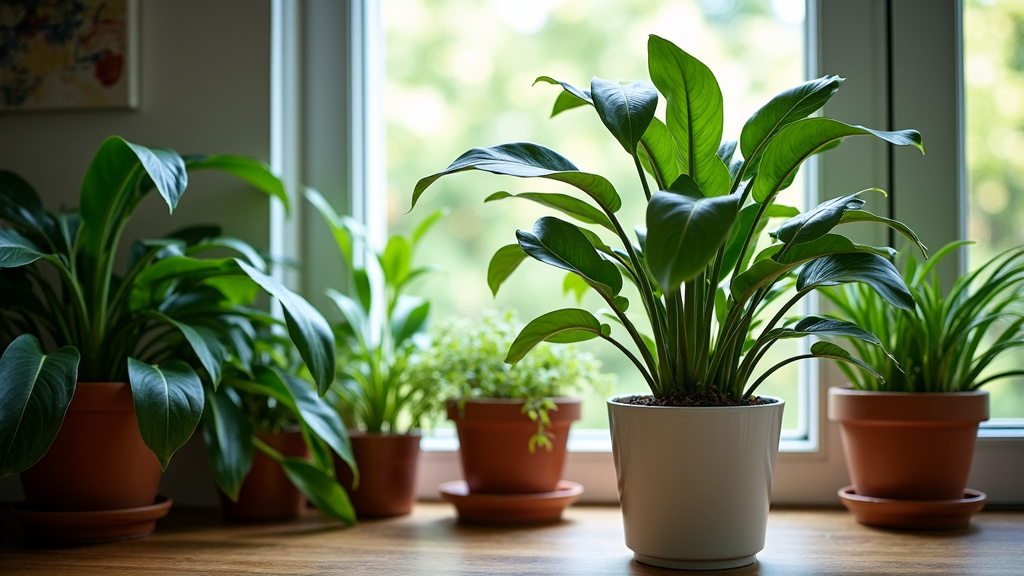
This method is both practical and aesthetically pleasing. When you group plants together, they create their own little microclimate.
As plants naturally release moisture through their leaves (a process called transpiration), clustering them helps trap that moisture. It’s like a tiny, plant-powered humidifier.
This strategy works even better if you include a pebble tray or small humidifier within the group. The combined effect can be quite significant.
Just make sure there’s still some air circulation between plants to prevent fungal issues.
The Role of Misting
Misting your plants with a spray bottle is a popular method, but its effectiveness is often debated. We found that misting offers only a short-term humidity boost.
The fine droplets of water evaporate quickly, especially in a dry room. While it feels nice and refreshing to the plant, it doesn’t provide lasting humidity.
However, misting can be helpful for plants that absorb moisture through their leaves, like some orchids or air plants. It can also help clean dust off leaves.
If you do mist, use filtered or distilled water to avoid mineral deposits on leaves. And always mist in the morning so leaves dry before nightfall to prevent disease.
Terrariums and Humidity Domes
For plants that demand very high humidity, like some ferns, mosses, or carnivorous plants, a terrarium or humidity dome can be a perfect solution.
These enclosed environments trap moisture, creating a consistently high-humidity space. They’re like miniature greenhouses.
You can create a beautiful, self-contained ecosystem. Just be sure to choose plants that thrive in similar conditions to avoid problems.
Remember to vent terrariums occasionally to allow for fresh air exchange and prevent stagnant conditions.
Maintaining Optimal Humidity Levels
Boosting humidity is one thing, but keeping it consistent is another. Here’s how you can maintain those ideal conditions.
Consistency is key to plant health. Wild plants don’t experience sudden, drastic humidity changes, and neither should yours.
Using a Hygrometer
A hygrometer is a small, inexpensive device that measures the humidity in the air. It’s incredibly useful for taking the guesswork out of plant care.
Place one near your plants to get an accurate reading of their immediate environment. This helps you know if your efforts are working.
Many humidifiers come with built-in hygrometers and can even be set to maintain a certain humidity level. This makes care much easier.
We found that having a hygrometer helps you adjust your methods as needed. You’ll know exactly when to increase or decrease your efforts.
Humidity Checklist for Happy Plants
Here’s a quick checklist to help you keep your tropical plants thriving with perfect humidity:
- Check your plants for signs of low humidity regularly.
- Position a humidifier nearby for a consistent moisture boost.
- Set up pebble trays under humidity-loving plants.
- Group plants together to create natural microclimates.
- Use a hygrometer to monitor ambient humidity levels.
- Ensure good air circulation to prevent fungal issues.
By following these steps, you’ll be well on your way to having a thriving indoor jungle. Your plants will thank you with lush growth and vibrant leaves.
Conclusion
Boosting humidity for your tropical houseplants doesn’t have to be complicated. By understanding their needs and applying simple strategies, you can transform your home into a thriving indoor jungle. Whether you choose a humidifier, pebble trays, or plant grouping, consistency is your best friend. We’ve seen firsthand how a little extra moisture can bring out the best in these beautiful plants.
Start by observing your plants and grab a hygrometer. You’ll soon discover the perfect balance to keep your green companions happy and healthy, rewarding you with lush foliage and vibrant growth.
Frequently Asked Questions
How often should I use a humidifier for my plants?
You should run your humidifier as often as needed to maintain your desired humidity level, typically between 40-70% for most tropical plants. Many models have built-in hygrometers and can be set to turn on and off automatically.
Can too much humidity harm my houseplants?
Yes, excessive humidity (above 80% consistently) can lead to fungal diseases, bacterial infections, and pest issues like mold or root rot. Always ensure good air circulation to prevent stagnant, overly moist conditions.
Is it better to use distilled water in my humidifier?
Using distilled or filtered water is highly recommended for humidifiers. Tap water often contains minerals that can create a fine white dust (mineral dust) on your plants and furniture, and can also lead to mineral buildup in the humidifier itself.
Will putting my plants in the bathroom increase humidity enough?
Bathrooms can offer a temporary humidity boost after showers, which tropical plants appreciate. However, for consistent, day-long humidity, relying solely on bathroom steam might not be sufficient, especially if the bathroom is not frequently used or is well-ventilated.
What are some easy tropical plants for beginners that tolerate lower humidity?
If you’re just starting, consider plants like Pothos, ZZ Plants, Snake Plants, or some types of Dracaena. We’ve found these varieties are generally more forgiving of typical household humidity levels (around 40-50%) than their high-humidity counterparts.