How Long Should You Leave Grow Lights On?
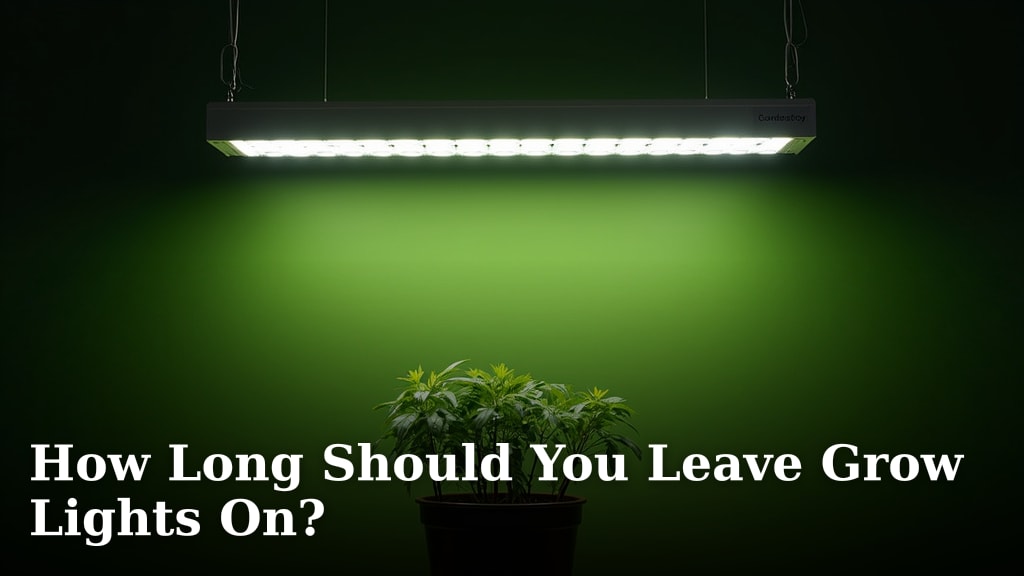
For most plants, you should leave grow lights on for 12 to 16 hours per day. This cycle mimics natural daylight. It gives your plants the intense light they need for photosynthesis. Then, they get a crucial period of darkness for growth and recovery.
The ideal duration for grow lights depends on your plant’s specific needs. Seedlings and vegetative plants thrive with longer light exposure. Flowering plants often prefer a slightly shorter, but still significant, light period. We found that consistently providing the right amount of light is key for healthy plant development.
- Most plants need 12-16 hours of grow light.
- Seedlings and leafy greens often need longer light cycles.
- Flowering plants might prefer slightly less light.
- Plants need a dark period to grow and rest.
- Consistency is vital for best results.
Ready to help your plants flourish? Let’s explore everything you need to know about setting up the perfect grow light schedule.
Optimizing Grow Light Durations for Your Plants
Finding the perfect light schedule is like giving your plants a personalized spa treatment. Too much light can cause stress, just like too little will stunt their growth. We found that the right duration leads to stronger plants and better yields.
Each plant type has its own “sweet spot” for light exposure. Understanding these needs helps you create the ideal environment.
Understanding Photoperiodism: Why Darkness Matters
Plants don’t just need light; they also need darkness. This cycle of light and dark is called photoperiodism. It’s how plants know when to grow, when to flower, and even when to rest.
During the dark period, plants process the energy they made during the day. They rebuild, repair, and prepare for the next light cycle. This downtime is essential for healthy development.
Imagine trying to run a marathon without ever resting. Your plants feel the same way about light cycles. A proper dark period is crucial for their well-being.
The Role of Phytochrome in Light Sensing
How do plants “know” it’s dark? They use special proteins called phytochromes. These light-sensitive molecules tell the plant about its environment.
Phytochromes detect changes in red and far-red light. This detection triggers growth and flowering responses. It’s an internal clock helping plants keep time (National Institutes of Health).
Different Light Cycles for Different Plant Stages
Your plants’ light needs change as they grow. A tiny seedling needs a different schedule than a mature plant ready to flower.
Adjusting your light cycle means you’re giving your plants exactly what they need, exactly when they need it. This leads to happier, healthier plants.
Seedlings and Young Plants: Long Light Periods
Young plants, like seedlings, are in a rapid growth phase. They need a lot of energy to develop roots and leaves. We found that a longer light duration helps them establish quickly.
For seedlings, aim for 16 to 18 hours of light per day. This intense, consistent light helps them stretch and strengthen. A short dark period of 6-8 hours is usually sufficient for recovery.
- Provide 16-18 hours of light.
- Ensure 6-8 hours of darkness.
- This promotes vigorous early growth.
- Helps prevent “stretching” or legginess.
Vegetative Growth: Sustained Light for Leaf Development
Once your plants are past the seedling stage, they enter vegetative growth. This is when they focus on producing lots of leaves and stems. Think big, bushy plants!
During this stage, a light cycle of 14 to 18 hours of light works well. This continuous light exposure supports robust foliage development. The dark period remains vital for metabolic processes.
Many leafy greens, like lettuce and spinach, stay in this phase until harvest. They often benefit from these longer light periods throughout their life cycle.
Flowering and Fruiting Stages: Precise Light Control
When plants enter the flowering or fruiting stage, their light needs often become more specific. Some plants, called short-day plants, need longer dark periods to flower.
For many flowering plants, a 12 hours on / 12 hours off cycle is standard. This schedule signals to the plant that it’s time to produce flowers or fruit. Too much light can actually prevent flowering in these types of plants.
Other plants, called long-day plants, might still prefer longer light cycles, even when flowering. Always check your specific plant’s requirements.
Key Factors Influencing Light Duration
Light duration isn’t the only piece of the puzzle. Several other factors work together to create the perfect growing environment. We found that considering all these aspects leads to the best results.
It’s like baking a cake; you need the right amount of each ingredient, not just the flour. Getting these factors right ensures your plants thrive.
Light Intensity and Type
A grow light’s strength, or intensity, directly impacts how long you need to leave it on. A very powerful light might need fewer hours than a weaker one.
LED grow lights, for example, are often more efficient and intense than fluorescent lights. This means you might use them for slightly shorter periods to achieve the same effect.
Always refer to your light manufacturer’s recommendations. They often provide guidelines for optimal usage based on intensity (Ohio State University Extension).
Plant Species and Specific Requirements
As we’ve discussed, every plant species is unique. A succulent’s needs are vastly different from a tomato plant’s. Research your specific plant type!
Some plants originate from tropical regions with consistent day lengths. Others come from temperate zones with seasonal changes. Their natural environment dictates their light preferences.
We found that a quick search for “[Plant Name] grow light schedule” can provide valuable tailored information.
Environmental Conditions (Temperature, Humidity, CO2)
Your grow space’s environment plays a big role. Temperature, humidity, and CO2 levels all affect photosynthesis. If these aren’t right, even perfect lighting might not help as much.
For example, higher CO2 levels can allow plants to use more light energy. This could mean they grow better even with slightly shorter light periods.
Maintain a stable and appropriate environment for your plants. This supports their overall health and makes your light schedule more effective.
The Dangers of Too Much or Too Little Light
You might think more light is always better, but that’s not true. Just like us, plants can get stressed from overwork. Finding the right balance prevents problems.
Aim for “just right,” not “as much as possible.” This thoughtful approach keeps your plants happy and productive.
Signs of Over-Lighting Your Plants
When plants get too much light, they can suffer from ‘light stress’. It’s like a sunburn for them!
- Yellowing leaves: Especially at the tips or edges.
- Crispy or burnt spots: Dark brown or black areas on leaves.
- Stunted growth: Plants might stop growing entirely.
- Leaf curling: Leaves might curl upwards or inwards.
- Bleaching: Leaves look faded or washed out.
If you see these signs, try raising your grow light or shortening the light cycle. Your plants are telling you they need a break!
Signs of Under-Lighting Your Plants
Too little light is also a common issue. Plants need light to fuel themselves, so a lack of it causes weakness.
- Leggy or stretched growth: Long, weak stems reaching for light.
- Pale green or yellow leaves: Not enough chlorophyll production.
- Slow or no growth: Plants just aren’t thriving.
- Small leaves: Plants can’t produce large, healthy leaves.
- Poor flowering/fruiting: If they flower at all, it will be sparse.
If your plants look weak or stretched, it might be time to move your light closer or extend the light period. They’re telling you they’re hungry for light!
Using Timers for Consistency
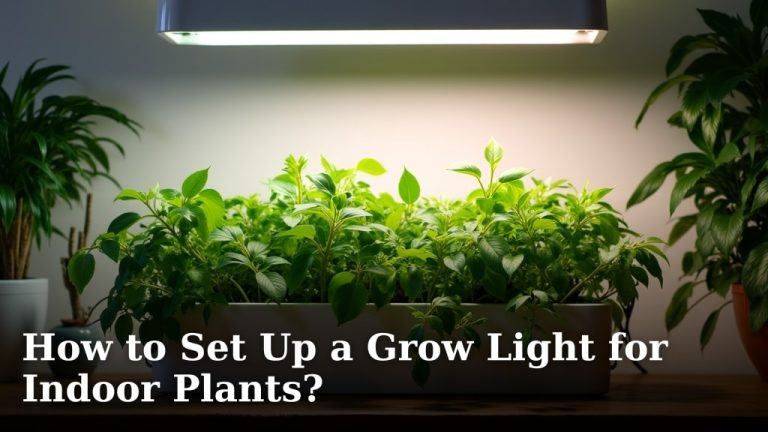
A timer is your best friend when it comes to grow lights. It ensures your plants get consistent light and dark cycles every single day.
Consistency is perhaps the most important aspect of a healthy light schedule. Plants love routine, and a timer provides just that.
| Plant Stage | Recommended Light Duration | Dark Period | Notes |
|---|---|---|---|
| Seedlings | 16-18 hours | 6-8 hours | Promotes strong root/leaf development. |
| Vegetative Growth | 14-18 hours | 6-10 hours | Encourages leafy, bushy growth. |
| Flowering/Fruiting (Short-Day) | 12 hours | 12 hours | Essential for triggering blooms/fruit. |
| Flowering/Fruiting (Long-Day) | 14-16 hours | 8-10 hours | Mimics longer summer days for specific plants. |
You can find simple mechanical timers that plug into your wall outlet. Or, you can opt for smart digital timers with more advanced scheduling features. Either way, a timer takes the guesswork out of your daily routine (U.S. Department of Energy).
Set it once and forget it! Your plants will thank you for the dependable schedule.
Your Grow Light Checklist
Before you run off to adjust your lights, here’s a quick checklist to make sure you’re on the right track:
- Identify your plant’s species: What are its specific light needs?
- Determine the current growth stage: Is it a seedling, vegetative, or flowering?
- Check your grow light’s intensity: Is it powerful, or does it need more hours?
- Set up a timer: Ensure consistent light and dark periods.
- Monitor your plants daily: Look for signs of over or under-lighting.
- Adjust as needed: Don’t be afraid to tweak your schedule.
Conclusion
You’ve learned that providing your plants with the right grow light duration is essential for their health and productivity. It’s not just about turning a light on; it’s about understanding their “sleep cycle” too. We found that matching light periods to your plant’s growth stage and species makes all the difference.
Remember, your plants communicate their needs. Watch for signs of stress, whether it’s too much or too little light. By using a timer and making small adjustments, you can create an optimal environment for your green companions. Start optimizing your light schedule today and watch your plants flourish!
Frequently Asked Questions
What happens if I leave grow lights on 24 hours a day?
Leaving grow lights on 24/7 can stress your plants. They need a period of darkness to metabolize energy, recover, and complete crucial growth processes. Continuous light can lead to stunted growth, yellowing leaves, and often prevents flowering.
Can general household lights be used as grow lights?
No, standard household lights are usually not powerful enough and lack the full spectrum of light plants need. Grow lights are specifically designed to provide the correct intensity and color spectrum for plant photosynthesis and growth. We found that household lights will typically result in weak, leggy plants.
How far should my grow light be from my plants?
The distance depends on your specific grow light’s intensity and your plant’s needs. Intense LED lights might need to be further away (18-36 inches), while weaker lights (like fluorescents) might need to be closer (6-12 inches). Always check the manufacturer’s recommendations for your particular light.
Do all plants need a dark period?
Most plants benefit significantly from a dark period. However, some specific plants or growth stages (like certain hydroponic setups for leafy greens) can tolerate extended light with good results. For the vast majority of common houseplants and garden starts, darkness is vital for their health.
How can I tell if my plant is getting enough light but not too much?
Monitor your plants closely. If they appear leggy, pale, or have slow growth, they likely need more light. If leaves are yellowing, bleaching, or developing crispy spots, they might be getting too much. Adjust light duration or intensity gradually based on these visual cues.