
Why Is My Hydroponic Water Turning Green?
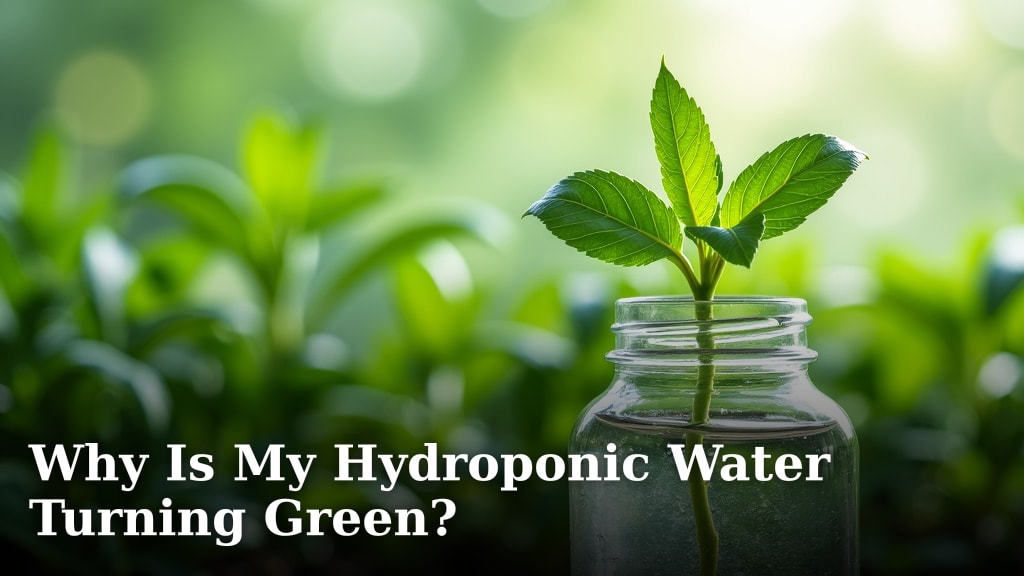
Your hydroponic water is turning green because of an algal bloom. This happens when excess nutrients and light create the perfect environment for algae to grow. It’s a common issue, but don’t worry, we can fix it!
Algae thrive in stagnant, nutrient-rich water exposed to light. While not always harmful to plants directly, a green tint can indicate an unbalanced system. This imbalance might lead to lower oxygen levels and potentially compete with your plants for nutrients. We’ve found that addressing the light and nutrient balance is key to preventing this.
- Algae growth causes green water.
- Too much light and nutrients feed algae.
- It can signal an unbalanced system.
- Fixing light and nutrients is important.
Let’s dive into why this is happening and what you can do to get your hydroponic system back to clear and healthy!
“`htmlWhy Is Your Hydroponic Water Turning Green? Unpacking Algae Growth
Seeing green in your hydroponic system can be alarming. That vibrant, sometimes murky, green hue is a clear sign of algae growth. Think of it like a tiny pond developing in your carefully crafted setup. While it might look pretty to some, it’s generally not a good thing for your plants. We found that algae thrive in specific conditions, and understanding these is the first step to fixing the problem.
Algae are simple plants that multiply rapidly when the conditions are just right. They don’t need soil, just water, nutrients, and a bit of light. Your hydroponic system provides all of these! The trick is to make sure these resources are available to your *plants*, not the algae. Many growers find that by controlling just a few key elements, they can keep algae at bay. We’ll walk you through the most common culprits and how to tackle them.
The Root Causes: What Feeds Algae in Your System
Light: The Unseen Algae Food Source
Light is essential for your plants to grow, but it’s also a feast for algae. Algae perform photosynthesis, just like your leafy greens or fruiting plants. If light can easily reach the nutrient-rich water in your reservoir or channels, algae will use it to grow. We found that even ambient room light can be enough for algae to get a foothold.
This is why keeping your reservoir and growing areas covered is so important. Think of it as putting a lid on a jar of pickles to keep them fresh. If light gets in, the algae party starts. Many hydroponic systems have opaque reservoirs for this reason, and this is a design feature you should pay attention to. It’s not just about looks; it’s about function.
Nutrients: A Buffet for Unwanted Guests
Hydroponic systems rely on a carefully balanced nutrient solution to feed your plants. Unfortunately, algae are not picky eaters. They will happily consume the same nutrients your plants need. If your nutrient solution is too concentrated or if there are leftover nutrients from a previous feeding, algae have a readily available food source.
We found that maintaining the correct nutrient concentration (EC or TDS) is vital. Over-fertilizing can lead to a surplus that algae readily exploit. It’s like leaving out extra snacks; someone (or something) will eventually gobble them up. Keeping your nutrient levels optimized for your specific plants is key.
Water Stagnation: The Still Pond Effect
Algae love calm, still water. Moving water can make it harder for algae to attach and grow, and it also helps keep oxygen levels up. In a hydroponic system, if the water isn’t circulating properly, or if there are areas where water sits without much movement, it creates an ideal environment for algae blooms. Many hydroponic setups use pumps and air stones to keep the water moving and oxygenated.
We’ve seen that proper aeration and circulation are not just for root health; they are also a powerful defense against algae. It’s like having a gentle current in a natural pond that keeps things fresh. Stagnant water is a breeding ground, and that’s the last thing you want in your hydroponic setup.
The Impact of Algae on Your Hydroponic Garden
Oxygen Depletion: A Hidden Threat
While algae perform photosynthesis and release oxygen during the day, they consume oxygen at night. When algae populations explode, their nighttime oxygen consumption can become significant. This can lead to lower dissolved oxygen levels in your water, which your plant roots need to survive and thrive. We found that severely depleted oxygen can stress your plants.
This is why a healthy amount of dissolved oxygen is critical for hydroponic success. Too much algae can literally ‘steal’ the air your plants’ roots need. It’s a hidden threat that can slowly weaken your plants without you immediately realizing why. Maintaining good aeration helps prevent this oxygen battle.
Nutrient Competition: Fighting for Resources
Algae compete directly with your plants for essential nutrients. They absorb the nitrogen, phosphorus, and potassium that your plants are meant to be getting. If algae are growing unchecked, your plants might start showing signs of nutrient deficiencies, even if you’re adding the correct amount of nutrients to the solution. We found this competition can slow down plant growth considerably.
Imagine two people trying to eat from the same small plate. Eventually, one will go hungry. In your system, algae are the greedy eaters. Keeping algae out ensures your plants get the full meal they need to grow strong and healthy.
Root Rot and Disease: A Pathway for Pathogens
While algae themselves aren’t usually directly toxic to plants, a large bloom can create an environment where harmful bacteria and fungi can thrive. The decaying organic matter from dead algae, combined with reduced oxygen, can stress plant roots. Stressed roots are more susceptible to diseases like root rot. Many experts agree that a clean system is a healthy system (CDC).
It’s like a messy room: it might not be the mess itself that causes problems, but it makes it easier for unwanted pests to move in. Keeping your hydroponic system clean of algae helps prevent a cascade of potential issues for your plants’ root systems.
Actionable Steps to Combat Green Water in Hydroponics
Control the Light: Darkness is Your Friend
The most effective way to prevent algae is to eliminate their food source: light. Ensure your reservoir is completely opaque. Use a light-proof lid. If you’re using clear or translucent containers, wrap them in black plastic or paint them. Also, try to keep your growing area as dark as possible during the plants’ dark cycle.
We found that covering any exposed water surfaces is crucial. Even a small gap can let in enough light to start a problem. Think of it as patching up a leaky faucet; every little drip matters. For systems with channels, ensure they are also light-proof where water flows.
Maintain Proper Nutrient Levels and pH
Regularly monitor and adjust your nutrient solution. Use a reliable EC or TDS meter to ensure you’re not over-concentrating your nutrients. Follow the recommended feeding schedules for your specific plants. Regularly check and adjust your pH levels, as this affects nutrient uptake for both your plants and algae.
A stable pH range (usually 5.5-6.5 for most plants) helps your plants absorb nutrients efficiently, leaving less for algae. We found that sticking to a consistent maintenance schedule prevents nutrient imbalances that algae love. Your hydroponic nutrient manufacturer will often provide specific guidelines.
Ensure Good Water Circulation and Aeration
Use an air pump with air stones to keep the water oxygenated. This not only benefits your plant roots but also makes the water less hospitable to algae. Ensure your water pump is circulating the solution effectively throughout the entire system. Avoid dead spots where water can become stagnant.
We discovered that many successful hydroponic growers use a combination of water pumps and air stones. The movement of water itself can disrupt algae growth. It’s a simple but powerful way to keep your system healthy. Think of it as a gentle, constant wake-up call for your water.
Regular System Cleaning and Water Changes
A clean system is a healthy system. It’s a good idea to perform a full system clean every few weeks, especially if you notice any signs of algae. This involves draining the reservoir, cleaning out any slime or buildup, and refilling with a fresh nutrient solution.
We found that regular partial water changes can also help. By removing some of the old water and replacing it with fresh solution, you can reduce the overall nutrient load available to algae. Don’t let the system get too dirty; a little consistent cleaning goes a long way. Many sources suggest a full clean every 2-3 weeks as a good practice.
Here’s a quick checklist to help you stay on top of things:
- Keep reservoirs and channels completely covered from light.
- Use an EC/TDS meter to maintain correct nutrient levels.
- Ensure constant water circulation and aeration with pumps and stones.
- Monitor and adjust pH levels regularly for optimal nutrient uptake.
- Schedule regular system cleanings and partial water changes.
- Inspect your plants and roots for any signs of stress or disease.
Conclusion
Seeing green water in your hydroponic system signals algae growth, often caused by too much light and nutrients. While it can seem alarming, it’s a fixable issue that points to an unbalanced setup. By controlling light exposure, maintaining precise nutrient levels, ensuring good water circulation, and performing regular cleaning, you can keep your hydroponic water clear and your plants healthy. Take action today by checking your reservoir’s light-proofing and water circulation to ensure your plants get the resources they need, not the algae!
Frequently Asked Questions
Can I just ignore the green water?
While not immediately fatal, ignoring green water can harm your plants. Algae compete for nutrients and oxygen. They can also stress plant roots, making them more susceptible to diseases like root rot. It’s best to address the issue promptly for optimal plant health.
What kind of algae causes green water in hydroponics?
The most common culprit is phytoplankton, a type of single-celled algae. These microscopic organisms thrive in nutrient-rich, standing water exposed to light. They multiply rapidly under the right conditions, turning your water green.
Will hydrogen peroxide kill the algae?
A very dilute solution of hydrogen peroxide can kill algae and increase oxygen. However, it needs to be used with extreme caution. Too much can damage plant roots and beneficial microbes. Always research the correct dosage for hydroponics before trying this method.
How often should I change my hydroponic water?
Most hydroponic systems benefit from a partial water change every 1-2 weeks. A full reservoir change and cleaning every 2-3 weeks is also recommended, especially if you’re dealing with algae or other issues. This helps reset nutrient levels and prevent buildup.
Can I use UV sterilizers to prevent green water?
Yes, UV sterilizers are an effective way to kill algae and other pathogens in your hydroponic system. They work by passing water through a chamber where UV light damages the DNA of microorganisms, preventing them from reproducing. They are a great addition for maintaining water clarity.
