
What Is Deep Water Culture Hydroponics?
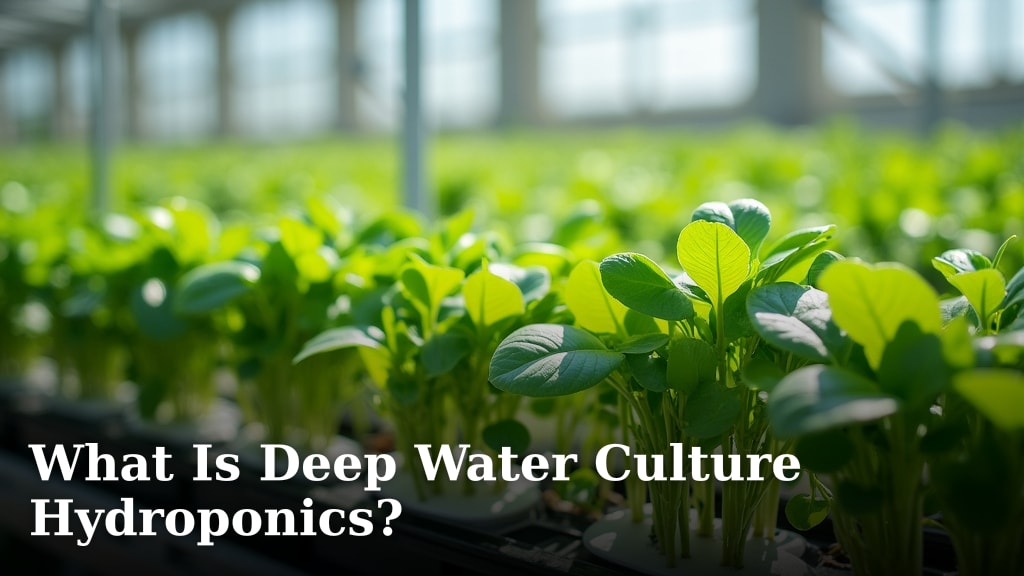
Deep water culture hydroponics is a simple hydroponic method where plants grow in nutrient-rich water. This system is often called the “poor man’s hydroponics.” It’s a great way to start growing plants without soil. You can get amazing results with this easy setup.
In this method, plant roots are suspended directly in a reservoir of oxygenated water. It’s a straightforward technique that many growers find effective. Many experts find DWC to be a reliable method for various plants.
- What DWC is at its core.
- How it works for plants.
- Why it’s popular for beginners.
- Key benefits to expect.
Ready to dive in? Let’s walk through exactly how deep water culture hydroponics works and what you need to know to get started! Our guide on how to start a hydroponic garden at home can help you take the next steps.
Understanding Deep Water Culture Hydroponics
Deep Water Culture (DWC) is a straightforward hydroponic method. It involves suspending plant roots directly into a well-oxygenated, nutrient-rich water solution. Many growers find this method to be a fantastic starting point for soil-free gardening. It’s often called “poor man’s hydroponics” because it can be set up with minimal investment.
How Does DWC Work for Your Plants?
Imagine your plants hanging out in a cool, refreshing pool. That’s essentially what’s happening in a DWC system. The roots are constantly bathed in water filled with the nutrients your plants need to thrive. The key is ensuring those roots get enough oxygen, so they don’t drown.
The Oxygenation Process
This is where the magic happens! Plants need oxygen for their roots, just like we need it for our lungs. In DWC, an air pump is used to power an airstone. This airstone sits at the bottom of your reservoir and creates tiny bubbles. These bubbles constantly oxygenate the water, providing your plant roots with the air they need to breathe and absorb nutrients effectively.
Nutrient Delivery
The water in your reservoir isn’t just plain water; it’s a carefully balanced mix of water and hydroponic nutrients. These nutrients are specifically formulated to provide everything your plants need for healthy growth. Think of it as a perfectly prepared smoothie for your plants, delivering all the essential vitamins and minerals directly to their roots.
Why DWC is a Great Choice for Beginners
If you’re new to hydroponics, DWC is often the recommended system. Its simplicity is its biggest selling point. You don’t need complicated pumps or timers for the water delivery itself. The core components are quite basic, making it easy to understand and set up.
You’ll find that the learning curve is much gentler with DWC. Once you get the nutrient levels and pH right, the system largely takes care of itself. This means you can focus on learning about your plants rather than wrestling with complex equipment.
Key Components of a DWC System
Let’s break down what you’ll need to build your own DWC setup. It’s not as daunting as it sounds!
- Reservoir: This is a container that holds your nutrient solution. It needs to be opaque to prevent light from reaching the water, which can cause algae growth. Food-grade plastic totes are a popular choice.
- Lid: The lid sits on top of the reservoir and holds your plants in net pots. It also helps keep light out and prevents evaporation.
- Net Pots: These are small mesh or plastic pots that hold your plants and growing medium. The roots grow right through the bottom of these pots into the water.
- Growing Medium: While there’s no soil, you’ll need something to support your seedlings in the net pots. Rockwool, coco coir, or clay pebbles (hydroton) are common choices.
- Air Pump: This device pushes air into your reservoir.
- Airstone: This attaches to the air pump via airline tubing and diffuses air into fine bubbles in the water.
- Airline Tubing: Connects the air pump to the airstone.
- Hydroponic Nutrients: These are specially formulated liquid or powdered nutrients for soilless growing.
- pH Meter and EC/TDS Meter: These tools are essential for monitoring the water’s pH and nutrient concentration.
Setting Up Your DWC System: A Step-by-Step Approach
Getting your DWC system up and running is surprisingly straightforward. You’ll be amazed at how quickly you can go from gathering supplies to having your plants happily growing.
Preparing the Reservoir and Lid
Start by ensuring your reservoir is clean. Then, cut holes in the lid that are the right size for your net pots. Make sure the holes are spaced appropriately for your plants as they grow larger. You want to give them room to spread out without overcrowding.
Adding Water and Nutrients
Fill your reservoir with fresh water. Next, carefully add your hydroponic nutrients according to the manufacturer’s instructions. It’s very important to mix the nutrients thoroughly. Then, use your pH meter to check the pH level. Most plants prefer a pH between 5.5 and 6.5 for optimal nutrient absorption (NCBI).
Installing Aeration and Planting
Place the airstone at the bottom of the reservoir. Connect it to the air pump with airline tubing. Plug in the air pump to start the bubbling. Now, place your seedlings, supported by their growing medium, into the net pots. Gently place the net pots into the holes in the lid. Ensure the bottom of the net pot is just touching the water or slightly submerged.
Benefits of Deep Water Culture Hydroponics
Why is DWC so popular? It offers several advantages that appeal to both beginners and experienced growers.
Fast Growth Rates
Because the roots have constant access to oxygen and nutrients, plants in DWC systems can grow significantly faster than those in soil. This is because the plant doesn’t have to expend energy searching for water or nutrients. They are readily available, allowing the plant to focus on vegetative growth.
Water Efficiency
Hydroponic systems, including DWC, are known for their water efficiency. You’ll use much less water compared to traditional soil gardening. The water in the reservoir is recirculated, and evaporation is minimized by the lid. This makes it a great option for areas with water restrictions.
Simplicity and Low Cost
As mentioned before, DWC is incredibly simple. You can even build a basic DWC system for under $50, making it one of the most cost-effective hydroponic methods to start with. This low barrier to entry means almost anyone can try their hand at soilless gardening.
Less Risk of Soil-Borne Pests and Diseases
Since you’re not using soil, you eliminate many common soil-borne pests and diseases. This can lead to healthier plants and less frustration for the grower. You won’t have to worry about things like root rot caused by overwatering in soil or pesky nematodes.
Common Plants Suitable for DWC
While DWC can grow many types of plants, some are particularly well-suited due to their growth habits and needs.
Leafy greens are the superstars of DWC. Think lettuce, spinach, kale, and Swiss chard. They have relatively short growth cycles and thrive in the constant moisture and nutrient supply. Herbs like basil, mint, and parsley also do exceptionally well.
Some growers have success with fruiting plants like tomatoes and peppers, but these often require larger systems and more attention to nutrient levels and support as they grow heavier. We generally recommend starting with leafy greens to get a feel for the system.
Maintaining Your DWC System for Optimal Results
Even though DWC is simple, a little bit of maintenance goes a long way. Keeping an eye on a few key factors will ensure your plants are happy and healthy.
- Check pH Regularly: Aim to check and adjust your pH daily, especially when starting out. It can fluctuate as plants consume nutrients.
- Monitor Nutrient Levels: Use your EC/TDS meter to ensure the nutrient concentration is appropriate for your plants. Top off with water between changes, but check nutrient strength before adding more.
- Change Nutrient Solution: Plan to completely change your nutrient solution every 1-3 weeks. This prevents nutrient imbalances and buildup.
- Keep it Clean: Regularly clean your reservoir and equipment to prevent algae and bacterial growth.
By following these simple steps, you’ll be well on your way to enjoying the benefits of deep water culture hydroponics. It’s a rewarding way to grow fresh produce right at home!
Conclusion
You’ve learned that Deep Water Culture (DWC) hydroponics is a wonderfully simple and effective way to grow plants without soil. Its core strength lies in suspending roots in oxygenated, nutrient-rich water. This method is fantastic for beginners due to its low cost and straightforward setup, leading to faster growth and impressive yields. You can easily start with leafy greens and expand from there. The next step? Gather your basic components and set up your very own DWC system. You’ll be amazed at how rewarding it is to grow your own fresh produce!
Frequently Asked Questions
How often should I change the water in my DWC system?
You should aim to completely change your nutrient solution every 1 to 3 weeks. This helps prevent nutrient imbalances and the buildup of unwanted substances. Regularly changing the water ensures your plants always have access to the freshest nutrients.
Can I grow any type of plant using DWC?
DWC is excellent for leafy greens and herbs, which grow quickly and don’t need much support. While some growers have success with larger fruiting plants like tomatoes, they often require more advanced setups. Starting with greens is a great way to get comfortable with the system.
What happens if the air pump stops working in my DWC system?
If your air pump stops working, your plant roots will quickly run out of oxygen. This can lead to root rot and plant death within hours. It’s essential to ensure your air pump is functioning correctly at all times and consider a backup if possible.
How do I know if my nutrient solution is balanced?
You’ll need a pH meter to check the acidity or alkalinity of your water, aiming for a range typically between 5.5 and 6.5. An EC/TDS meter helps you measure the concentration of nutrients. Monitoring these will tell you if your solution is balanced for your plants.
Is Deep Water Culture more expensive than traditional gardening?
Generally, DWC can be very cost-effective, especially for beginners. While there’s an initial investment in the reservoir, pump, and nutrients, the overall cost can be lower than traditional gardening over time, particularly considering water efficiency and faster growth rates.
