
Why Is My Grow Tent Too Hot?
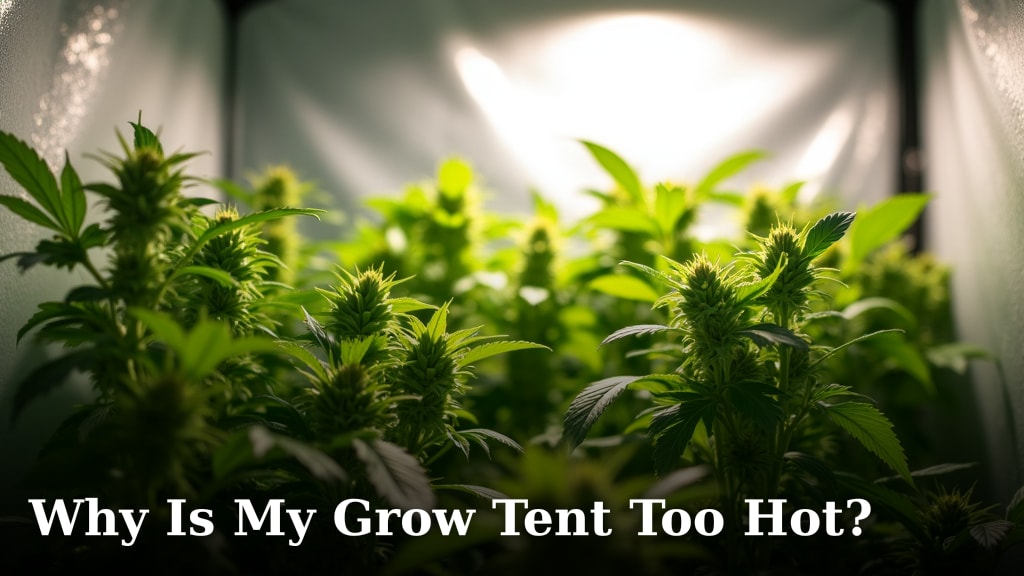
Your grow tent is too hot because of common issues like inadequate ventilation, a heat-producing light, or a lack of airflow. These factors combine to trap heat inside your enclosed space. We found that understanding these main culprits is the first step to fixing your grow tent temperature problems.
When your grow tent environment overheats, it can seriously harm your plants. High temperatures affect their growth and can lead to stress. Many experts say maintaining the right temperature range is essential for healthy plant development. It’s like a plant’s perfect comfort zone.
- Your grow tent is too hot due to poor ventilation.
- Lights and lack of airflow are also common heat sources.
- This can stress and damage your plants if not fixed.
- Cooling your tent is key for healthy plant growth.
Let’s dive into why your grow tent might be overheating and how you can cool it down effectively.
“`htmlTroubleshooting Your Grow Tent’s Temperature Issues
It can be frustrating when your grow tent gets too hot. You’re working hard to create the perfect environment for your plants. High temperatures can really set back your progress. But don’t worry, we’ve researched the common reasons why this happens. Understanding these issues is the first step to fixing them.
Many growers find their grow tent temperatures climbing too high. This usually points to a few key areas that need attention. We’ll walk you through them so you can get your tent back to the ideal temperature zone.
Understanding Heat Sources in Your Grow Tent
Your grow tent is essentially a small, enclosed ecosystem. Anything that generates heat inside this box will make the temperature rise. It’s like having a small heater running all the time. We need to identify what’s putting out the most heat.
The Impact of Your Grow Lights
Grow lights are often the biggest culprits. They are designed to emit light, but they also produce a lot of heat. Traditional HID lights, like Metal Halides (MH) and High-Pressure Sodium (HPS), are known for running very hot. They can significantly increase your tent’s temperature.
HID Lights and Heat Management
If you’re using HID lights, you’ve probably noticed how warm they get. They are like mini suns in your tent. Managing their heat is critical. This often involves specific ventilation strategies. We found that without proper air exchange, their heat builds up quickly.
LED Lights and Cooler Operation
LED grow lights are a more energy-efficient option. They produce less heat than HIDs. This makes them a popular choice for many growers. However, even LEDs generate some heat. It’s important not to underestimate this. They still need proper ventilation, just perhaps less intense than with HIDs.
Other Heat-Generating Equipment
Beyond your lights, other equipment can add to the heat load. Your exhaust fan, if running constantly and drawing air through a hot tent, can contribute. Even small electronics like timers or humidifiers can add a small amount of heat. While individually minor, these can add up in a confined space.
The Crucial Role of Ventilation and Airflow
Ventilation is your grow tent’s cooling system. Without good airflow, heat has nowhere to go. It gets trapped, turning your tent into an oven. We’ve seen many growers overlook this. Proper ventilation is key to a healthy grow space.
Inadequate Exhaust and Intake
Your exhaust fan is vital for removing hot air from the tent. If it’s too small for your tent size, or not running efficiently, hot air will build up. Similarly, you need a way for fresh, cooler air to enter. This is called intake. If your intake is blocked or insufficient, hot air will stagnate.
Sizing Your Exhaust Fan Correctly
Many experts recommend calculating your fan size based on your tent’s volume. A common rule of thumb is to aim for a full air exchange every 1-3 minutes. For example, a 4×4 tent (64 cubic feet) might need an exhaust fan rated for at least 100-200 CFM (cubic feet per minute). We found that undersized fans are a very common problem.
Passive vs. Active Intake
Passive intake uses vents or openings to let air in naturally. This works best with a strong exhaust fan creating negative pressure. Active intake uses a separate fan to push air into the tent. This can be useful if your tent is struggling to get enough fresh air. However, active intake fans can also add heat.
Lack of Internal Air Circulation
Even with good exhaust and intake, the air inside your tent needs to move. Stagnant air allows heat to concentrate. Small clip-on fans can make a big difference. They help distribute the air evenly. This prevents hot spots and helps your plants breathe better.
Why Internal Fans Matter
Internal fans mimic natural breezes. They help strengthen plant stems. They also prevent mold and mildew by reducing humidity buildup around leaves. We found that a simple oscillating fan can greatly improve temperature distribution and reduce overall stress on your plants.
Common Mistakes Leading to Overheating
Sometimes, the solution is simpler than you think. We’ve identified a few common mistakes that growers make. Fixing these can often solve your temperature woes.
Incorrect Fan Placement
Where you position your fans matters. If your exhaust fan is pulling hot air from the top and your intake is bringing cool air in low, you might not be mixing things well. For HIDs, it’s often best to vent the heat directly away from the light fixture.
Overcrowding Your Tent
Too many plants in a small tent can create a heat trap. Plants themselves generate a small amount of heat through respiration. More importantly, dense foliage reduces airflow. This makes it harder for your ventilation to do its job effectively. Research suggests adequate spacing is key for both airflow and light penetration.
Ignoring the Ambient Room Temperature
Your grow tent isn’t isolated from the room it’s in. If the room itself is very hot, your tent will struggle to cool down. The air being pulled into the tent will already be warm. We found that managing the room’s temperature is just as important as managing the tent’s internal environment.
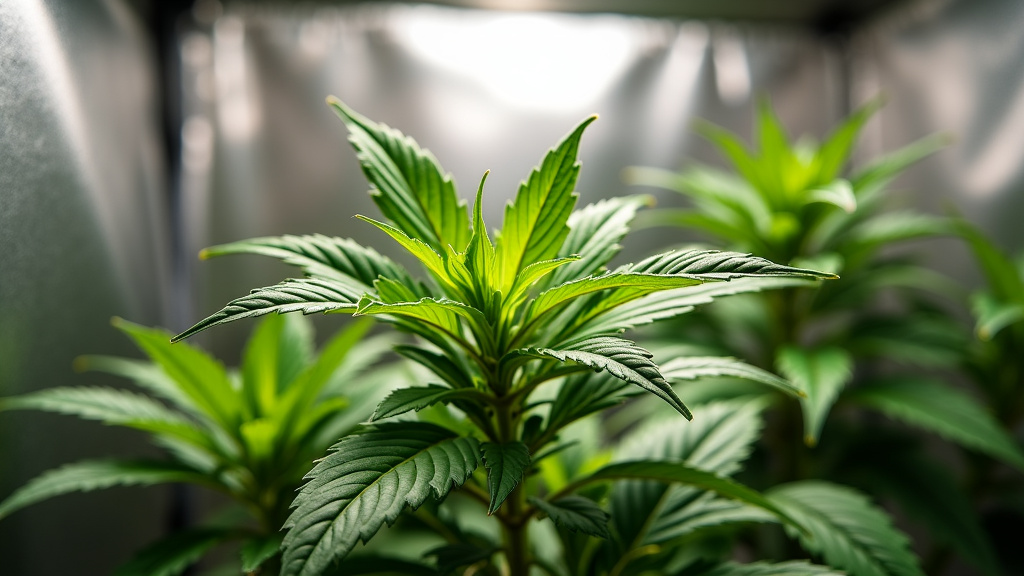
Monitoring Your Grow Tent Environment
You can’t fix what you don’t measure. A reliable thermometer and hygrometer are essential tools. They help you track your temperature and humidity levels. This data is crucial for making informed decisions.
Choosing the Right Monitoring Tools
Digital thermometers are accurate and easy to read. Many models also measure humidity. Some even log data over time. This allows you to see patterns. We found that placing your thermometer at canopy level gives you the most accurate reading for your plants.
Interpreting Your Readings
Once you’re monitoring, pay attention to the numbers. Are they consistently high? Do they spike at certain times, like when the lights are on? Are they within the ideal range for your plants? Many plant species have different optimal temperature ranges. For example, vegetative growth might prefer slightly cooler temps than flowering.
Simple Steps to Cool Down Your Grow Tent
Okay, so your tent is too hot. What can you do right now? Here are some actionable steps you can take.
Let’s summarize the key actions you can take:
- Check and upgrade your exhaust fan if it’s too small.
- Ensure your intake vents are open and unobstructed.
- Add or reposition internal circulation fans.
- Adjust your light setup or consider cooler LEDs.
- Manage the temperature of the room surrounding your tent.
- Monitor your temps regularly with a good thermometer.
Conclusion
We’ve explored the common reasons your grow tent might be overheating. You now understand that poor ventilation, heat-producing lights, and lack of internal airflow are the main culprits. Fixing these issues is key to providing your plants with their ideal environment. Don’t let a hot tent stress your plants. Take the time to assess your setup. Your next step is to implement one of the cooling solutions we discussed. Start by checking your exhaust fan and ensuring good air circulation.
Frequently Asked Questions
How often should I replace my grow tent’s carbon filter?
You should typically replace your carbon filter every 6 to 12 months, depending on its usage and the intensity of your grow. A saturated filter will reduce airflow and its effectiveness in controlling odors and heat. We found that monitoring airflow is a good indicator of when it’s time for a change.
Can I use a regular household fan in my grow tent?
Yes, you can use a regular household fan for internal air circulation. However, ensure it’s not placed in a way that directly blows on your plants for extended periods. Many growers prefer clip-on fans designed for grow tents. We’ve seen that they offer better portability and directed airflow.
What is the ideal temperature range for most plants in a grow tent?
For most vegetative plants, the ideal temperature range is generally between 70-80°F (21-27°C) during the day. During the dark period, temperatures can drop slightly to 65-70°F (18-21°C). Flowering plants might prefer slightly cooler conditions. Researching your specific plant’s needs is always best.
My grow tent is hot, but my exhaust fan seems to be working. What else could be wrong?
If your exhaust fan is running but your tent is still hot, check if it’s properly sized for your tent’s volume. Ensure there’s adequate intake for fresh air to enter and that no vents are blocked. Poor internal air circulation can also trap heat. We found that a combination of these factors often causes issues.
How does the ambient room temperature affect my grow tent’s heat?
The ambient room temperature significantly impacts your grow tent’s temperature. If the room your tent is in is already hot, the air being pulled into the tent will be warm. This makes it much harder for your ventilation system to cool the tent effectively. Managing the room’s temperature is often a necessary first step.
