
Why Is My Grow Tent Humidity Too High?
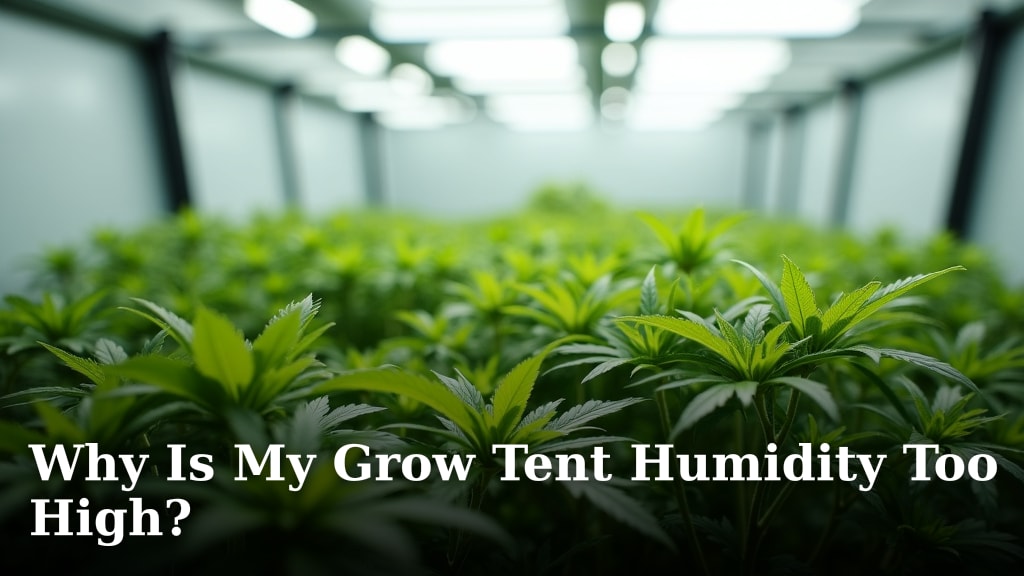
Your grow tent humidity is too high primarily because of poor ventilation and excessive moisture production. Plants naturally release water vapor through transpiration. If this moisture isn’t removed effectively, your humidity levels will climb, creating a perfect storm for problems like mold and mildew. Many growers find that inadequate air exchange is the main culprit.
High humidity can lead to unhappy plants and serious health issues for them. It can also impact nutrient uptake and plant growth. Think of it like a steamy bathroom; eventually, things get a little uncomfortable and maybe even a bit slimy. Ensuring proper airflow is key to maintaining a healthy environment inside your grow tent, preventing these unwelcome guests and ensuring your plants thrive.
- High humidity often points to ventilation issues.
- Plants release moisture; without removal, humidity rises.
- This can invite mold, mildew, and plant stress.
- Proper airflow is your best defense.
Let’s get to the bottom of why your grow tent is so steamy and what you can do about it right now.
Troubleshooting High Humidity Levels in Your Grow Tent
Is your grow tent feeling more like a tropical rainforest than a controlled grow space? You’re not alone. High humidity is a common headache for growers. It can create a breeding ground for mold and mildew. It also stresses your plants. Let’s figure out why your tent is so steamy and how to fix it.
Understanding the Root Causes of Excess Moisture
Your plants are living, breathing things. They release water vapor through a process called transpiration. Think of it like them sweating. This is perfectly natural. However, if this moisture can’t escape your tent, humidity levels will climb rapidly. We found that poor ventilation is the most common reason for this buildup.
The Role of Plant Transpiration
Every plant releases water vapor from its leaves. This is how they pull nutrients up from the roots. Larger plants or plants in dense growth stages transpire more. They release a significant amount of moisture. If your tent is packed tight, this transpiration can quickly overwhelm your setup. It’s like trying to dry clothes in a tiny, sealed room.
Environmental Factors Contributing to Humidity
Beyond what your plants do, other things can add moisture. Watering your plants adds water to the soil. Some of this water will evaporate. The type of growing medium you use matters too. Hydroponic systems, for example, often involve reservoirs of water that can increase ambient humidity. Even the temperature of your grow space plays a role. Warmer air holds more moisture.
Ventilation: Your Grow Tent’s Breathing System
Ventilation is the heart of a healthy grow tent environment. It’s how you exchange stale, moist air for fresh, drier air. Without proper airflow, that moisture your plants produce just sits there. It builds up and leads to problems.
The Importance of Air Exchange
A good ventilation system ensures you have adequate air changes per hour (ACH). This means the entire volume of air inside your tent is replaced multiple times each hour. We found that aiming for 60-90 ACH is a good starting point for most setups. This constant exchange is vital for controlling humidity. It also provides plants with fresh CO2.
Understanding CFM and Ducting
Your exhaust fan’s power is measured in Cubic Feet per Minute (CFM). A higher CFM means a stronger fan. You need a fan powerful enough to move the air out of your tent effectively. Your ducting connects the fan to your tent. Kinked or undersized ducting can restrict airflow. This makes your fan work harder and reduces its efficiency. Always use the correct size ducting for your fan.
Passive vs. Active Ventilation
Passive ventilation relies on natural air pressure differences. It usually involves small vents or openings. Active ventilation uses fans. Exhaust fans pull air out. Intake fans push fresh air in. For most grow tents, active ventilation is essential for controlling humidity. Passive systems are rarely sufficient on their own.
Common Culprits Behind High Grow Tent Humidity
When humidity spikes, it’s often due to a few common issues. Identifying these culprits is the first step to solving the problem.
Inadequate Exhaust Fan Size or Power
This is perhaps the most frequent cause of high humidity. If your exhaust fan isn’t strong enough for your tent size, it can’t remove moisture quickly enough. We found that many growers use fans that are too small. They don’t account for the heat generated by grow lights, which can reduce fan efficiency. Always check the CFM rating and ensure it’s appropriate for your tent volume.
Blocked or Restricted Airflow
Even with a powerful fan, problems can arise. Make sure your intake and exhaust vents aren’t blocked. Check your ducting for any kinks, bends, or collapses. If you have a carbon filter, ensure it’s not clogged. A clogged filter significantly reduces airflow. Many experts suggest cleaning or replacing filters regularly.
Excessive Watering and Poor Drainage
Watering your plants too much can lead to soggy soil. This soil then releases excess moisture into the air. Ensure your pots have good drainage. Don’t let plants sit in saucers full of water. Allowing the top inch or two of soil to dry out before watering can help. Good drainage prevents a major source of added humidity.
High Ambient Humidity Outside the Tent
Sometimes, the problem isn’t just inside the tent. If the air outside your grow tent is already very humid, your ventilation system has to work much harder. It’s like trying to cool down a hot room with an air conditioner on a scorching day. In humid climates, you might need a more powerful fan or even a dehumidifier inside the tent.
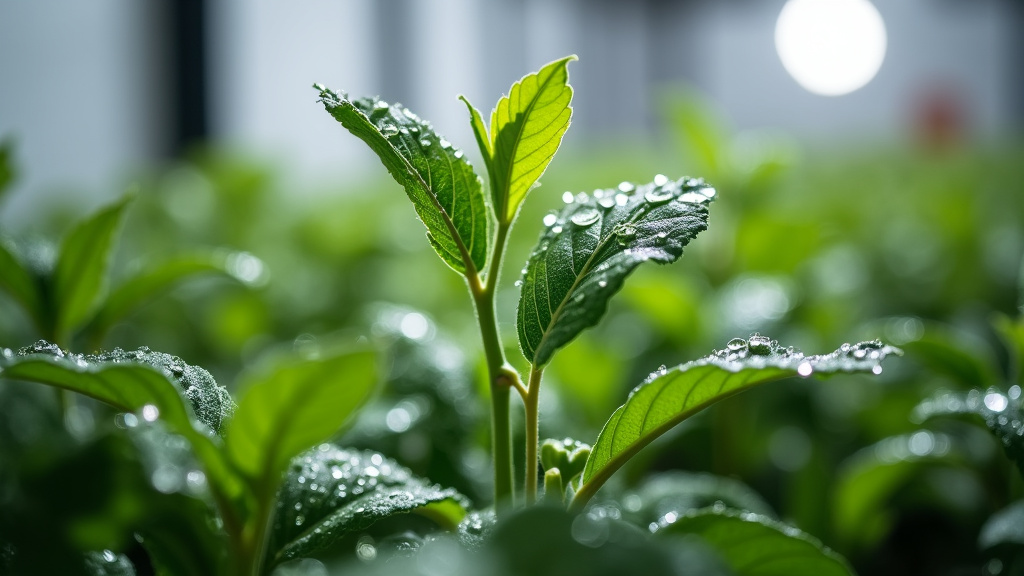
Solutions for Bringing Your Humidity Down
Now that you know what might be causing the high humidity, let’s look at how to fix it. You have several tools and strategies at your disposal.
Upgrade Your Exhaust Fan
If your fan is undersized, the best solution is often to upgrade. Calculate the volume of your tent (Length x Width x Height in feet). Multiply that by 60-90 to get your target CFM range. Choose a fan that meets or exceeds this requirement. Remember to factor in the static pressure loss from ducting and filters.
Optimize Your Ducting and Ventilation Setup
Ensure your ducting is smooth and free of kinks. Use the shortest route possible from your fan to the exhaust outlet. Consider using a fan speed controller. This allows you to adjust airflow as needed. Make sure your intake vents are open and not obstructed.
Implement a Dehumidifier
For persistent high humidity, especially in humid climates or during the flowering stage, a dehumidifier can be a lifesaver. You can get small, tent-specific dehumidifiers. These are designed to manage moisture effectively. Place it inside your tent, and set it to your desired humidity level. Be aware that dehumidifiers generate some heat.
Control Watering Habits
Water your plants only when they need it. Check the soil moisture before you water. Ensure your pots drain well and empty saucers promptly. Reducing excess water in your system directly reduces potential evaporation.
Consider Air Circulation Fans Inside the Tent
While not a primary humidity control solution, internal circulation fans help. They keep air moving around the plants. This prevents stagnant pockets where moisture can collect. It also helps dry the surfaces of leaves and stems more quickly. We found that using small oscillating fans is quite effective.
Monitoring Your Grow Tent Environment
Consistent monitoring is key to preventing humidity problems before they start. You need the right tools to track your environment accurately.
Using a Reliable Hygrometer
A hygrometer measures humidity. Get a digital one for accuracy. Place it at plant canopy level. This gives you the most relevant reading. Many digital hygrometers also
Conclusion
Maintaining the right humidity in your grow tent is critical for healthy plants. You’ve learned that poor ventilation and plant transpiration are the main drivers of high humidity. By understanding these causes and implementing solutions like upgrading your fan, optimizing airflow, and controlling watering, you can create a balanced environment. Consistent monitoring with a reliable hygrometer is your best tool. Take action today by checking your exhaust fan’s CFM rating. You’ve got this – happy growing!
Frequently Asked Questions
How often should I be exchanging air in my grow tent?
Most experts recommend aiming for 60 to 90 air changes per hour (ACH) for your grow tent. This means the entire volume of air inside your tent should be replaced that many times every hour. This constant exchange is key to managing humidity and ensuring fresh CO2 for your plants.
Can my grow lights cause humidity issues?
Yes, grow lights can indirectly affect humidity. While they don’t directly produce water vapor, the heat they generate can reduce the efficiency of your exhaust fan. A less efficient fan can’t remove moisture as effectively, leading to higher humidity levels in your tent.
What’s the best way to check my grow tent’s humidity?
The best way is to use a reliable digital hygrometer. Place it at the level of your plant canopy, as this is where the plants will experience the humidity most directly. Check it regularly to get an accurate understanding of your environment.
Is it okay to have a dehumidifier running 24/7?
For persistent high humidity, especially during sensitive growth stages like flowering, running a dehumidifier consistently can be very effective. However, monitor your humidity levels closely. You want to avoid drying out the air too much, which can also stress your plants.
Will a small fan inside the tent really help with humidity?
While internal circulation fans aren’t a primary solution for high humidity, they are beneficial. They help keep air moving and prevent stagnant pockets where moisture can build up. This movement can also help surfaces dry faster, indirectly aiding humidity control.
