
What Plants Grow Well in a Hydroponic Tower?
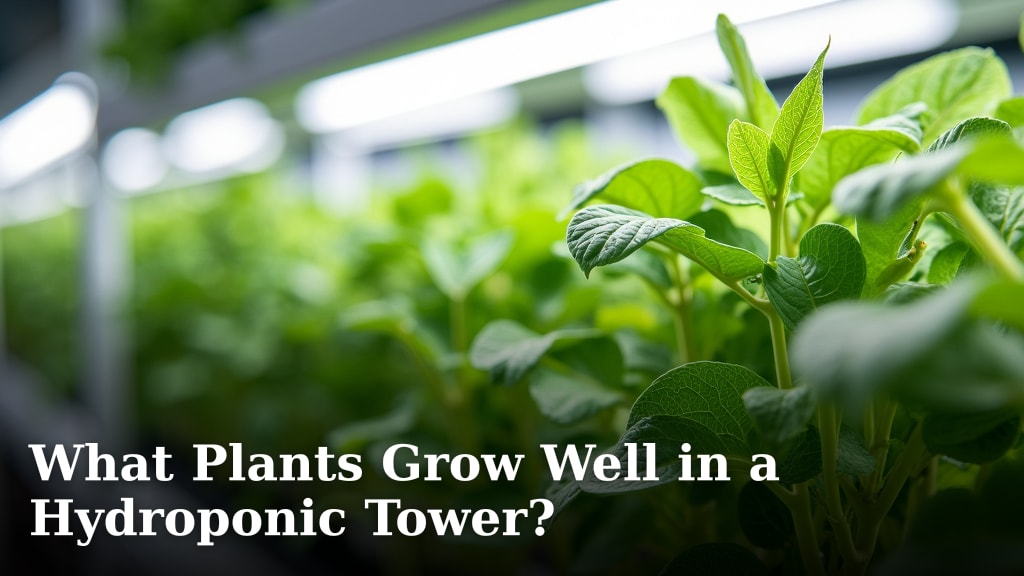
Many plants grow wonderfully well in a hydroponic tower, especially leafy greens and herbs. You can successfully grow things like lettuce, spinach, and basil. These plants thrive because hydroponic towers offer a controlled environment with consistent nutrient delivery. They are a fantastic choice for indoor gardening.
Beyond the basics, a surprising variety of vegetables and fruits can also flourish. Think about growing strawberries or even small pepper varieties. Success often depends on matching the plant’s needs to your tower’s setup. We’ve found that plants with shallower root systems tend to do best. It’s an exciting way to get fresh produce year-round.
- Leafy greens like lettuce and spinach love hydroponic towers.
- Herbs such as basil, mint, and parsley are also great choices.
- Fruiting plants like strawberries and some peppers can do well with the right setup.
- Root vegetables are generally not suited for vertical hydroponic systems.
Ready to get your hands dirty without the actual dirt? Let’s dive into the specific plants that will give you the best results in your hydroponic tower, helping you achieve that bountiful harvest you’ve been dreaming of.
Which Plants Thrive in a Hydroponic Tower?
You’re likely wondering what exactly you can grow in your shiny new hydroponic tower. It’s a common question, and the good news is you have a lot of options! We’ve found that plants with shallower root systems and those that grow upwards or outwards tend to perform best. Think of it like a vertical garden party – some plants are definitely the life of it.
The key to success is understanding a plant’s needs and how your tower meets them. Hydroponic towers are excellent for delivering water and nutrients directly to the roots. This controlled environment means less stress for the plant and more consistent growth for you. Let’s break down the categories of plants that will make your tower a lush green oasis.
Leafy Greens: The Unbeatable Hydroponic All-Stars
If you’re just starting out or want the easiest wins, leafy greens are your absolute best friends. They grow incredibly fast and are very forgiving. You can harvest them multiple times, which is a huge bonus!
Lettuce Varieties
Almost all types of lettuce do wonderfully. Think of your crispier varieties like romaine or butterhead. Leaf lettuces also work great. You can harvest outer leaves as needed, and the plant will keep producing. This means fresh salads all the time! Almost all types of lettuce do wonderfully, and there are specific hydroponic systems for lettuce that can help.
Spinach and Kale
These powerhouses are also fantastic. Spinach loves the consistent moisture and nutrients. You can get a quick harvest within a few weeks. Kale is a bit slower but yields a lot of nutrient-dense leaves. It’s a staple for healthy eating, and growing it yourself is so rewarding.
Arugula and Swiss Chard
Arugula offers a peppery kick and grows super fast. It’s another one you can cut-and-come-again. Swiss chard provides beautiful color and a steady supply of greens. Just remember to harvest outer leaves to encourage continued growth.
Herbs: Flavorful and Fragrant Additions
Herbs are another category where hydroponic towers truly shine. They are compact, grow quickly, and provide fresh flavor for your cooking. Many herbs also have lovely scents, making your grow space smell amazing.
Common Culinary Herbs
Basil, mint, parsley, chives, and cilantro are all excellent choices. Basil, in particular, is a superstar in hydroponics. It loves the consistent watering and nutrient supply. Mint can be a bit aggressive, so giving it its own space might be wise. Parsley and chives are steady producers.
Less Common but Still Great
Don’t shy away from herbs like oregano, thyme, or dill. They might grow a bit slower than basil, but they are very low-maintenance in a hydroponic setup. You’ll have fresh herbs ready for any recipe.
Fruiting Plants: Reaching for Bigger Harvests
While leafy greens and herbs are the most common, you can absolutely grow fruiting plants. This requires a bit more attention and often a larger, more robust hydroponic tower system. You might need to provide additional support for larger plants.
Strawberries: A Sweet Success Story
Yes, you can grow strawberries! We’ve seen many successful strawberry gardens in hydroponic towers. They love the consistent watering and can produce fruit for a long period. You’ll want to ensure good light exposure for them.
Peppers and Eggplants (Dwarf Varieties)
Smaller pepper varieties, like chili peppers or small bell peppers, can do well. They need good light and a steady supply of nutrients. Dwarf varieties are key here, as full-sized plants can get too big for most towers. Same goes for compact eggplant varieties.
Tomatoes (Dwarf and Bush Varieties)
Growing tomatoes hydroponically is possible, but you’ll want to select dwarf or determinate (bush) varieties. Indeterminate (vining) tomatoes will quickly outgrow and overwhelm a tower. Providing stakes or trellises for support is essential. They also require specific nutrient balances for flowering and fruiting. Growing tomatoes hydroponically is possible, but you’ll want to select dwarf or determinate (bush) varieties for your hydroponic tower.
What About Root Vegetables?
Here’s where we need to set some realistic expectations. Traditional root vegetables like carrots, potatoes, or radishes are generally not suitable for most vertical hydroponic tower systems. These systems are designed for the leafy parts of plants to grow above the water or nutrient solution. Root vegetables need depth and space for their edible roots to develop underground.
While some specialized hydroponic methods can grow root vegetables, a typical tower setup just doesn’t have the right structure. You’d need a deep container and a different approach to support the plant and harvest the root. So, for your tower, it’s best to focus on above-ground crops.
A Checklist for Your Hydroponic Tower Garden Success
To help you get started and ensure your tower is a productive paradise, keep these points in mind:
- Choose plants with relatively shallow root systems.
- Leafy greens and herbs are your easiest and fastest wins.
- Select dwarf or compact varieties for fruiting plants.
- Ensure your tower provides adequate light for all plants.
- Monitor your nutrient solution regularly.
- Prune and harvest regularly to encourage growth.
You might be surprised at just how much you can grow. Thinking about the plants that naturally grow upwards or have compact forms is your guiding principle. Many experts suggest that the success rate for these types of plants is very high (National Garden Bureau). It’s about picking the right contenders for your vertical garden arena.
Comparing Plant Suitability: A Quick Guide
To make things even clearer, let’s look at some popular choices and how they typically fare in a hydroponic tower. This table summarizes what we’ve discussed and can serve as a quick reference.
| Plant Category | Best Choices for Towers | Considerations | General Recommendation |
|---|---|---|---|
| Leafy Greens | Lettuce, Spinach, Kale, Arugula, Swiss Chard | Fast-growing, continuous harvest. Very easy. | Highly Recommended |
| Herbs | Basil, Mint, Parsley, Cilantro, Chives, Oregano | Compact, fragrant, quick yield. Easy to manage. | Highly Recommended |
| Fruiting Plants | Strawberries, Dwarf Peppers, Dwarf Tomatoes, Dwarf Eggplant | Need good light, proper nutrients, and sometimes support. Choose specific varieties. | Recommended with Caution & Variety Selection |
| Root Vegetables | None | Require deep soil or specialized systems. Not for standard towers. | Not Recommended |
Notice how the table highlights the plants that are naturals for this setup. It’s not about forcing plants to grow where they won’t, but rather about choosing those that will flourish with the conditions your hydroponic tower provides. You want to set yourself up for a bountiful harvest, not a gardening experiment gone wrong.
Tips for Maximizing Your Hydroponic Tower Yield
Once you’ve chosen your plants, a few practices can help you get the most out of your hydroponic tower. These simple steps can make a big difference in how much you harvest and how healthy your plants remain.
Light Requirements
Most plants you’ll grow in a tower need ample light. Leafy greens and herbs generally need 12-16 hours of light per day. Fruiting plants, especially those that flower and produce fruit, might need even more – around 16-18 hours. If you’re using artificial grow lights, ensure they are full-spectrum and positioned correctly. Research suggests that adequate light is one of the most critical factors for plant growth and yield (University of Florida IFAS Extension).
Nutrient Management
Your plants get all their food from the nutrient solution. It’s vital to use the right nutrient mix for the types of plants you’re growing. Some plants, like leafy greens, need a different balance than fruiting plants. You’ll also need to monitor and adjust the pH and EC (electrical conductivity) of your solution. These parameters directly affect nutrient uptake. We found that consistent monitoring prevented many common issues.
Pruning and Harvesting
Regular harvesting is more than just collecting food; it’s a way to stimulate more growth. For leafy greens, cutting outer leaves encourages the plant to produce more from the center. For herbs, pinching back stems helps them become bushier. Don’t be afraid to harvest! It’s the best way to keep your plants productive and prevent them from getting leggy or overcrowded.
Airflow and Spacing
Good airflow is important to prevent fungal diseases and strengthen your plants. If your tower is indoors, a small fan can help circulate air. Ensure plants aren’t too crowded, as this can hinder growth and increase disease risk. Some plants might need occasional trimming to maintain proper spacing within the tower’s pockets.
Conclusion
You’ve now seen just how versatile your hydroponic tower garden can be! From crisp lettuces and fragrant herbs to even sweet strawberries and compact peppers, your tower can produce an abundance of fresh food. Remember, success hinges on choosing the right plants and providing them with consistent light and nutrients. Don’t shy away from experimenting, but always start with the easiest wins like leafy greens and herbs. Ready to start planting? Pick your first set of plants and get your tower growing today!
Frequently Asked Questions
Can I really grow fruits like strawberries in a hydroponic tower?
Yes, you absolutely can grow strawberries in your hydroponic tower! They tend to do very well because they appreciate the consistent moisture and nutrient delivery. Just make sure they receive plenty of light, which is essential for fruit development.
Are there any plants I should absolutely avoid growing in a tower?
You’ll want to avoid traditional root vegetables like carrots, potatoes, and radishes. These plants need deep soil or specialized systems to develop their edible roots. Standard vertical hydroponic towers aren’t designed to accommodate this kind of growth.
How much light do my hydroponic tower plants need?
Most leafy greens and herbs require about 12-16 hours of light daily. Fruiting plants, like strawberries or peppers, might need a bit more, around 16-18 hours. Using a full-spectrum grow light and positioning it correctly is key for optimal growth.
What if my hydroponic tower plants get too big?
For fruiting plants like tomatoes or peppers, it’s vital to select dwarf or compact varieties. These stay smaller and are better suited for tower systems. Regular pruning and harvesting also help manage plant size and encourage bushier, more productive growth.
How often should I change the nutrient solution in my hydroponic tower?
It’s generally recommended to change your nutrient solution every 1-2 weeks. This ensures your plants are always getting fresh nutrients and prevents the buildup of excess salts. Monitoring the pH and EC levels regularly will also help you know when adjustments are needed.
