
What Is the Best Watering Schedule for Hydroponic Plants?
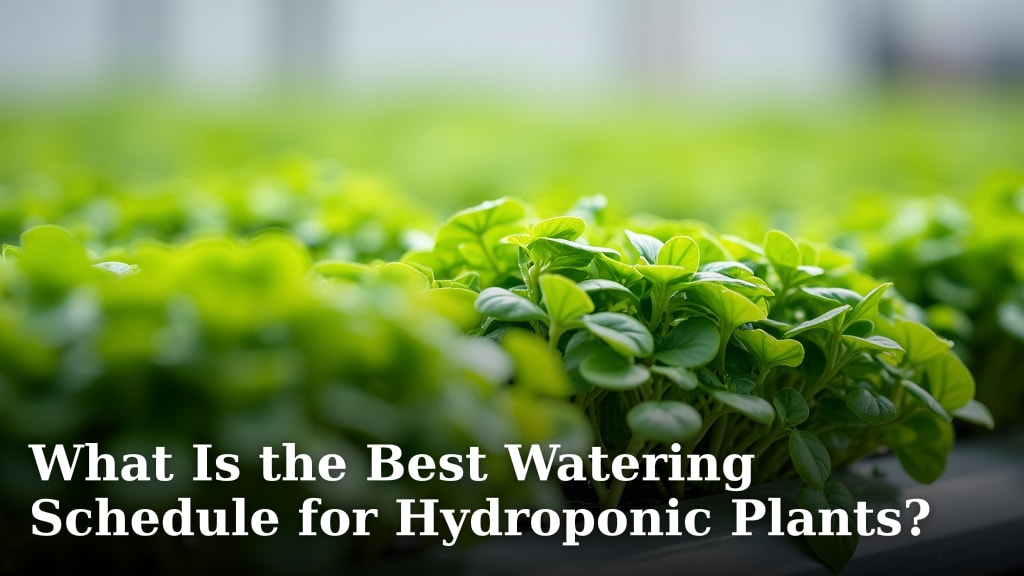
The best watering schedule for hydroponic plants isn’t a one-size-fits-all answer. Instead, it depends on your specific system, the type of plant you’re growing, and even the environmental conditions. Most hydroponic systems require plants to be fed with nutrient-rich water frequently, often continuously or multiple times a day, to prevent roots from drying out.
Getting this right is key to healthy plant growth. Too much water can drown roots, while too little can lead to wilting and stunted growth. Understanding the needs of your plants and the mechanics of your hydroponic setup will help you find that sweet spot for optimal nutrient delivery and root oxygenation.
- Watering frequency varies by system type.
- Plant type and its water needs are important factors.
- Environmental conditions, like temperature and humidity, play a role.
- Continuous or frequent watering is common in hydroponics.
- Preventing root drying is a primary goal.
Let’s break down how to figure out the perfect watering rhythm for your hydroponic garden, so you can enjoy bountiful harvests without the guesswork.
Finding Your Hydroponic Plant’s Perfect Watering Rhythm
The best watering schedule for your hydroponic plants isn’t a simple timer setting. It’s more like tuning a musical instrument. You want harmony between water, nutrients, and oxygen. Too much water can suffocate roots. Too little can make them gasp for air. We’ll help you find that sweet spot.
Understanding Your Hydroponic System: The Foundation
Each hydroponic system has its own way of delivering water. This is the first thing you need to understand. It dictates how often and how much your plants get a drink. Let’s look at the most common types.
Deep Water Culture (DWC): The Constant Bath
In DWC, plant roots hang directly in a nutrient-rich water reservoir. An air pump constantly adds oxygen. Because roots are always submerged, the water level needs to be maintained. You don’t technically “water” in the traditional sense. You replenish the reservoir. The goal is to keep the water level consistent. Check it daily. Top it off with plain pH-adjusted water between full nutrient changes. This prevents the nutrient concentration from becoming too high as water evaporates.
Nutrient Film Technique (NFT): The Gentle Flow
NFT systems use a shallow stream of nutrient solution. This flows over the plant roots. The roots are in channels, and the solution is continuously pumped. It circulates. This means plants have constant access to water and nutrients. However, if the pump fails, roots can dry out very quickly. Most growers run the pump 24/7. Some may cycle it on and off, but this requires careful monitoring. Research has shown that interrupted water flow can stress plants (NCBI).
Drip Systems: The Measured Drip
Drip systems deliver nutrient solution to the base of each plant. This happens via small emitters. The frequency and duration of these drips are adjustable. This is where you’ll most likely set a distinct “schedule.” You can set timers for minutes or hours apart. The key is to provide enough solution to moisten the growing medium. But you don’t want it to become waterlogged. This depends on the medium used. Drip systems allow for a distinct “schedule” of watering, adjustable for duration and frequency.
Ebb and Flow (Flood and Drain): The Rhythmic Rinse
This system floods a grow tray with nutrient solution. Then it drains back into a reservoir. You set a timer to flood the tray several times a day. For most plants, flooding 2-4 times daily is a good starting point. The exact timing depends on your grow medium and plant size. The goal is to let the roots get a good soak. Then, they need a period of aeration before the next flood. This prevents root rot.
Aeroponics: The Misty Morning
Aeroponics mists plant roots with nutrient solution. This is often done at very high frequency. Think every few minutes. The roots hang in the air. They receive a fine spray. This is a very efficient method. It provides excellent oxygenation. Because the roots are exposed to air most of the time, they must not dry out. This is why frequent misting is critical. A failure in the misting system can be disastrous for plants.
Plant Type Matters: What Your Green Friends Need
Just like people, plants have different hydration needs. A thirsty lettuce plant is different from a succulent-like herb. Researching your specific plant’s requirements is essential. Many leafy greens love consistent moisture. Fruiting plants might have slightly different needs during flowering.
Leafy Greens: The Thirsty Crew
Lettuce, spinach, kale, and Swiss chard are generally thirsty plants. They thrive with consistent moisture. In DWC or NFT, this is naturally provided. In drip or ebb and flow, you’ll want to ensure frequent watering cycles. They don’t like to dry out between waterings. Their shallow root systems benefit from regular access to water and nutrients.
Fruiting Plants: The Demanding Divas
Tomatoes, peppers, cucumbers, and strawberries have more complex needs. They often require less frequent, but more substantial, watering during certain stages. For example, during flowering and fruit set, they need consistent nutrient and water delivery. However, overwatering can sometimes lead to issues like blossom end rot (University of Florida IFAS Extension). Adjusting your watering schedule based on the plant’s growth stage is key. This is where more advanced control comes into play.
Herbs: The Resilient Survivors
Many herbs, like basil, mint, and parsley, are quite forgiving. They can tolerate slightly longer periods between waterings compared to leafy greens. However, in a hydroponic setup, they still benefit from regular feeding. A good ebb and flow cycle or a properly timed drip system usually works well. Avoid letting them get completely bone dry, even if they seem hardy.
Environmental Factors: The Hidden Influencers
The environment in which your plants are growing plays a huge role. Temperature, humidity, and even airflow affect how quickly your plants use water. And how quickly water evaporates from your system.
Temperature and Humidity: The Evaporation Equation
Warmer temperatures and lower humidity mean plants will transpire more. Transpiration is how plants release water vapor. This is like them sweating. Higher temperatures also increase evaporation from the reservoir. You’ll need to check your water levels more often. You might need to increase watering frequency. Conversely, cooler, more humid environments mean less water loss. You might be able to water less often. Aim for ideal ranges, typically 65-75°F (18-24°C) and 40-60% humidity for most plants (Cornell University Cooperative Extension).
Light Intensity and Duration: The Energy Source
Plants that receive more intense light or longer light periods will grow faster. This means they will use more water and nutrients. Think of it like an athlete. More training means needing more fuel and hydration. If your plants are under powerful grow lights, you’ll likely need to increase watering frequency. You may also need to adjust nutrient concentration.
Airflow: The Breath of Life
Good airflow is vital for plant health. It helps prevent fungal diseases. It also aids in transpiration. However, excessive airflow can increase evaporation from your plants and your nutrient solution. Find a balance. Gentle circulation is usually best. Too much fan power can dry things out quickly.
Putting It All Together: Your Actionable Checklist
So, how do you nail down that perfect schedule? It’s about observation and adjustment. Here’s a simple checklist to get you started:
- Know Your System: Understand how water is delivered in your specific setup.
- Research Your Plants: Find out the general water needs for what you’re growing.
- Start with General Guidelines: Use recommended schedules for your system type and plants.
- Monitor Water Levels Daily: Check your reservoir or grow tray. Top off as needed.
- Observe Your Plants: Look for signs of wilting (too dry) or yellowing leaves (potential overwatering/root issues).
- Adjust as Needed: Don’t be afraid to tweak your timers or nutrient solution frequency based on your observations and environmental conditions.
Finding the ideal watering schedule is a dynamic process. It requires you to be an attentive gardener. You’re watching, learning, and adapting. Your plants will tell you what they need if you listen closely. Happy growing!
Conclusion
Finding the perfect watering schedule for your hydroponic plants is a journey of observation. You’ve learned that your system type, the plants you grow, and even your environment all play a part. Don’t aim for a rigid schedule; aim for responsiveness. Regularly check your water levels and your plants’ appearance. You’ll quickly learn to recognize their needs. Start with general guidelines, then listen to your plants. They’ll guide you to that ideal rhythm for thriving growth and bountiful harvests. Your next step is to head to your garden and start observing!
Frequently Asked Questions
How often should I check my hydroponic water levels?
You should aim to check your hydroponic water levels at least once daily. This is crucial for systems like DWC and aeroponics to prevent roots from drying out. Frequent checks allow you to quickly top off the reservoir or nutrient solution as needed.
Can I use a simple timer for my hydroponic watering schedule?
Yes, a timer is useful, especially for systems like drip and ebb and flow. However, it’s not just about setting it and forgetting it. You’ll need to adjust the timer’s frequency and duration based on your plants’ needs and environmental conditions.
What are the signs of overwatering or underwatering in hydroponics?
Underwatered plants will often show signs of wilting and droopy leaves. Overwatered plants might develop yellowing leaves or root rot, which can smell musty. Keep a close eye on your plants’ overall appearance for these clues.
Do different plants really have vastly different watering needs in hydroponics?
Absolutely. Leafy greens generally prefer consistently moist conditions, while fruiting plants might need more careful attention during their flowering and fruiting stages. Herbs tend to be more forgiving but still require regular hydration.
How do temperature and humidity affect my hydroponic watering schedule?
Higher temperatures and lower humidity increase water loss through transpiration and evaporation. This means you’ll likely need to water more frequently. Cooler, more humid conditions mean less water loss, so you may be able to extend watering intervals.
